UN Says Lebanon War Leaves Classroom Of Children Hurt Daily
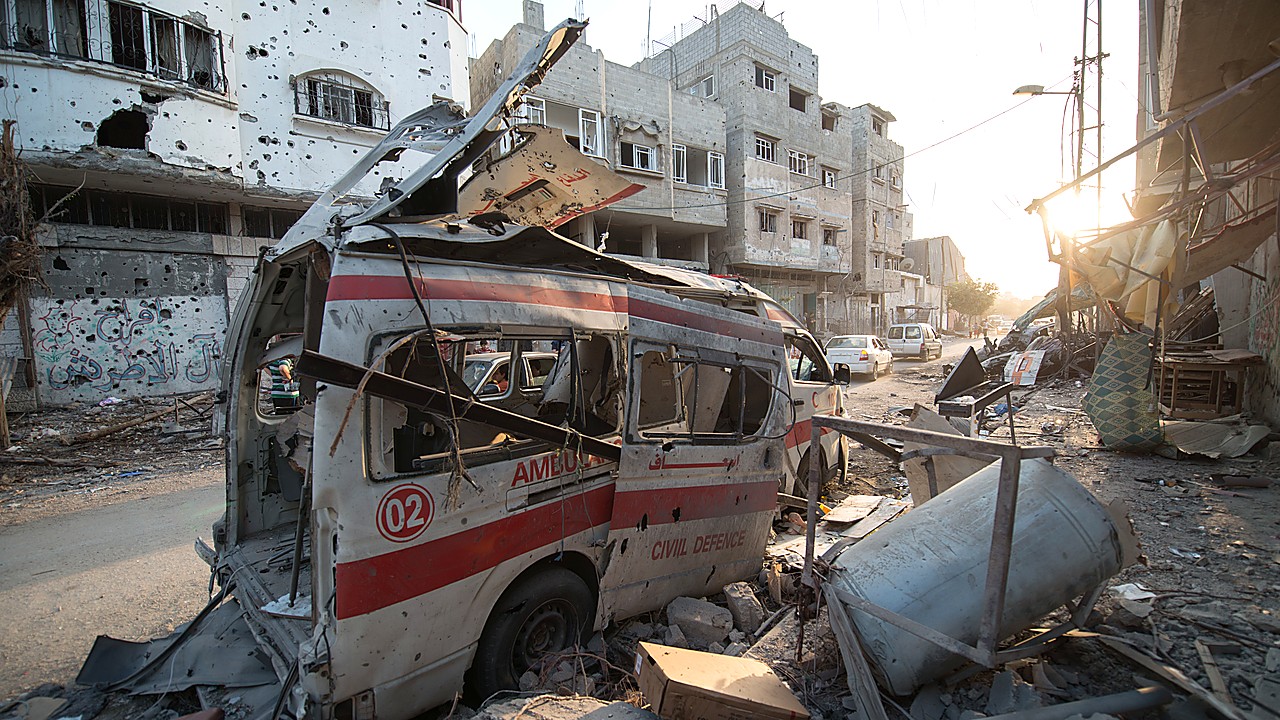
The war in Lebanon is leaving the equivalent of a classroom of children killed or wounded every day, the United Nations said, issuing a stark warning about the toll of the conflict on minors.
The assessment came from UNICEF, which said the level of child casualties in Lebanon has reached a pace that amounts to a classroom’s worth of children harmed each day. The agency did not provide a new total figure in the statement cited in recent reports, but framed the trend as a daily average that underscores the scale of the impact on children.
UNICEF’s comments were reported as fighting and strikes continued across Lebanon, including in and around Beirut and in the country’s south. Recent coverage also described damage to key infrastructure, including bridges in southern Lebanon, as hostilities persisted. The reports did not provide additional official breakdowns of the incidents tied to the UNICEF figure in the context provided.
The UN warning places children at the center of an expanding humanitarian picture, with families displaced and daily life disrupted. As Ramadan unfolds, news reports have described how the conflict is shaping routines and access to safety for people who have fled their homes. For many families, the ability to keep children in school, access medical care, and secure reliable shelter can quickly deteriorate in a sustained conflict, particularly when strikes and evacuations are frequent.
The significance of UNICEF’s statement is in its plain measure: translating casualties into a classroom-sized number gives a concrete sense of how many young lives are being upended day after day. It is also a signal that international humanitarian agencies are intensifying their public messaging as the conflict grinds on, highlighting the particular vulnerability of children to injury, trauma, displacement and loss.
The UN’s warning comes amid heightened regional tensions reflected in other recent developments reported in the region, including missile fire that set off sirens in parts of Israel, according to separate headlines. The wider picture has fed concerns about the conflict’s spillover and the strain on civilians on multiple fronts, even as the UNICEF statement focused specifically on the impact in Lebanon.
What happens next will depend on whether the fighting subsides and whether there is any progress toward measures that reduce civilian harm. Humanitarian agencies are expected to continue pressing for protections for children and for steps that allow families to access aid, healthcare and safer shelter as the conflict continues. Additional updates are likely as UN agencies and local authorities release further assessments and as conditions on the ground change.
For now, UNICEF’s warning stands as a blunt accounting of a war that, by the agency’s measure, is harming Lebanon’s children at a rate that can be counted in classrooms.