Wildfire Smoke From Canada, Minnesota Degrades Upstate New York Air
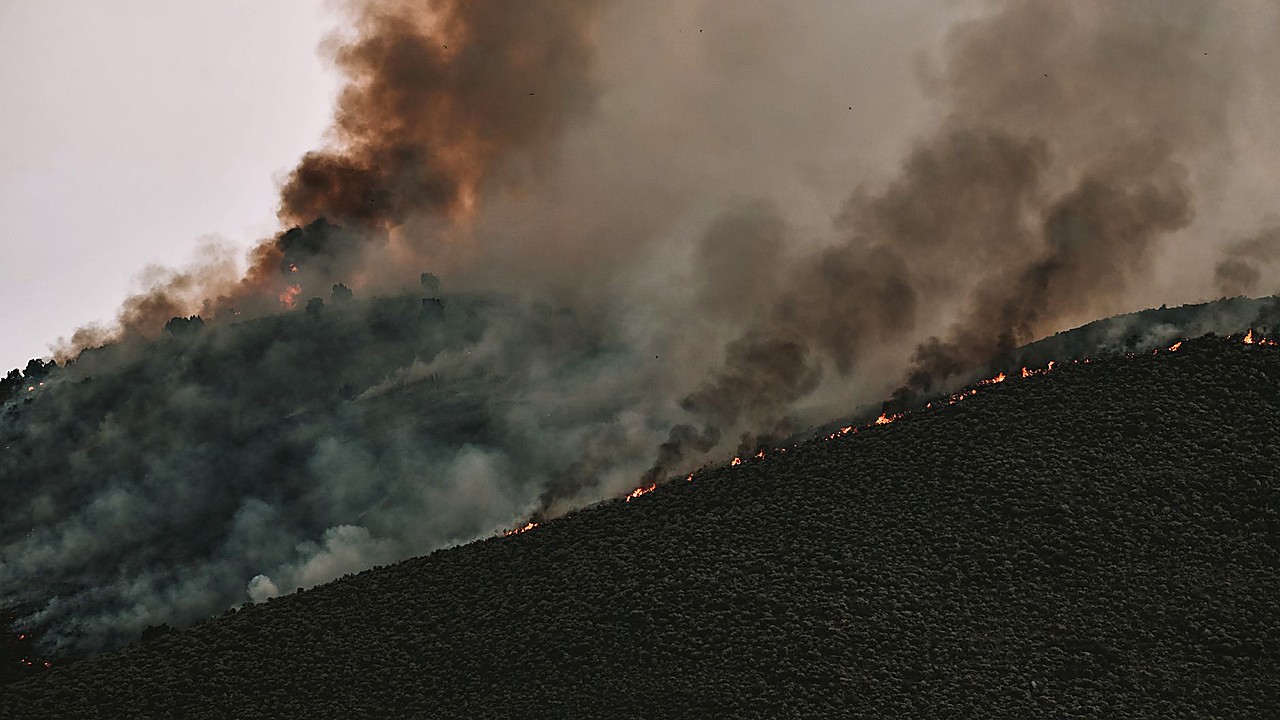
Air quality deteriorated across parts of Upstate New York as wildfire smoke moved into the region from fires burning in Canada and Minnesota, bringing a noticeable haze and prompting increased health cautions for sensitive groups.
The smoke was visible in several Upstate communities, with a grayish haze lingering over skylines and reducing the clarity of distant views. The conditions were tied to wildfire activity to the north in Canada as well as fires in Minnesota, according to reporting by Syracuse.com and distribution of that coverage through MSN.
Upstate New York has periodically faced smoky conditions in recent wildfire seasons, but this latest round again underscores how quickly air quality can shift when winds carry smoke long distances. Even when flames are far away, fine particle pollution associated with wildfire smoke can affect breathing, irritate eyes and throat, and aggravate conditions such as asthma and heart disease.
The worsening air quality matters because it can disrupt daily life for large numbers of residents, especially children, older adults, and people with preexisting health issues. Outdoor workers, athletes, and anyone spending extended time outside can also be affected when smoke settles over the region.
For schools, camps, and local governments, smoky air can force changes to outdoor schedules and recreation plans, particularly when conditions are expected to persist or fluctuate throughout the day. For families, it can mean limiting time outside, closing windows, and monitoring symptoms if anyone develops trouble breathing or unusual irritation.
Syracuse.com reported that the smoke could intensify, with hazier conditions possible into Wednesday. The outlook suggests continued variability, as shifting weather patterns can either disperse smoke or concentrate it near the surface, changing conditions from hour to hour.
Officials and health agencies typically urge residents to pay attention to local air quality advisories and adjust activities accordingly during smoke events. People who feel unwell are commonly advised to reduce strenuous outdoor activity and seek medical guidance if symptoms worsen. Communities often remind residents that conditions can differ by neighborhood, depending on elevation, wind, and localized weather.
What happens next will depend on the trajectory of the smoke and any changes in regional weather that could move the plume out or bring additional waves into Upstate New York. Wildfire activity in Canada and Minnesota remains the underlying source, meaning the region could continue to see episodes of haze as long as major fires persist and winds align toward the Northeast.
For now, residents across Upstate New York are being asked to stay alert to changing conditions as smoke from distant wildfires again turns the air noticeably hazy.