How to Maintain Your Plumbing System for a Smooth-Running Home
How to Maintain Your Plumbing System for a Smooth-Running Home
Maintaining your plumbing system is essential to keeping your home running smoothly and avoiding costly repairs. From minor leaks to major pipe bursts, plumbing issues can disrupt daily life and lead to expensive damages if left unchecked. Fortunately, regular maintenance and simple preventative steps can extend the lifespan of your plumbing and save you money in the long run. In this guide, we’ll walk you through the key ways to care for your plumbing system and ensure it functions efficiently year-round.
Why Plumbing Maintenance Matters
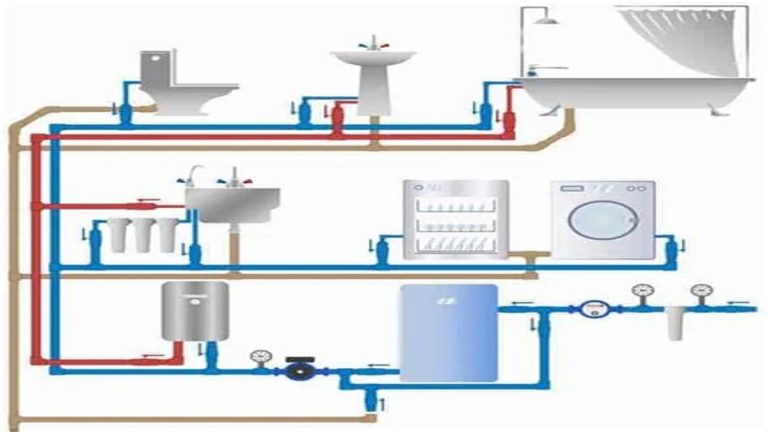
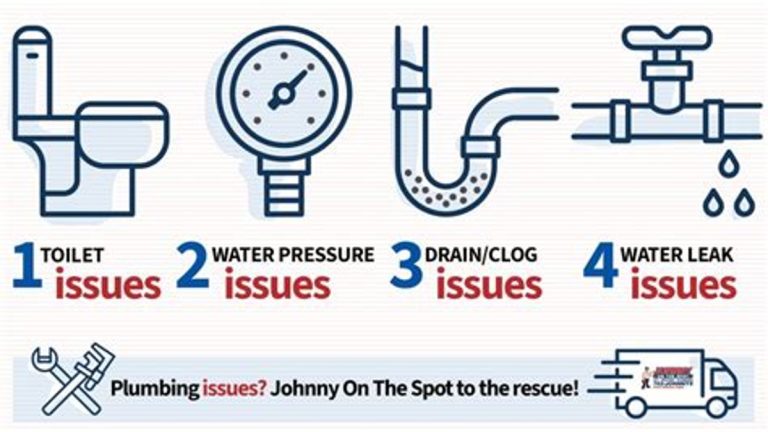
Your home’s plumbing isn’t something you notice until it stops working properly. Pipes, drains, faucets, and water heaters all play a vital role in your comfort and hygiene. Neglecting these components can lead to problems such as:
- Leaking pipes and water damage
- Clogged drains and slow water flow
- Low water pressure
- Water heater failure
- Increased water bills due to hidden leaks
Regular maintenance helps detect issues early, prevents emergencies, and ensures your system runs efficiently, saving you both water and energy.
Perform Routine Visual Inspections
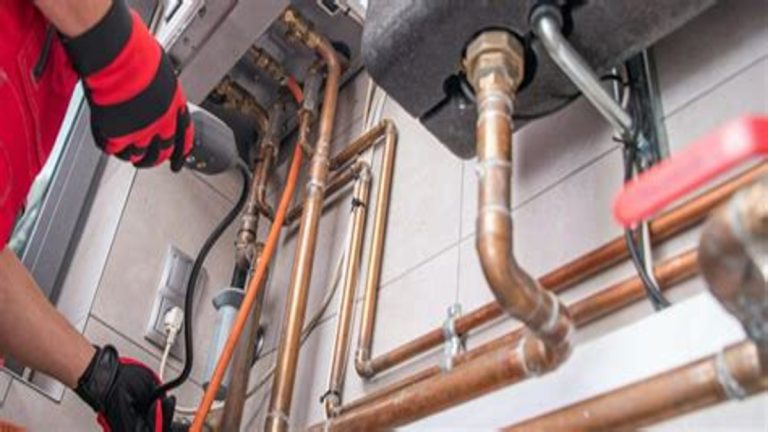
Start by regularly inspecting your visible plumbing components. Look for signs of leaks under sinks, around toilets, and near water heaters. Early signs might include water stains, mold, or pooling water. Check for corrosion on exposed pipes and listen for any unusual sounds when water is running. These simple observations can alert you to potential problems before they escalate.
Keep Drains Clear to Prevent Clogs
Drain clogs are among the most common plumbing issues. Hair, grease, food particles, and soap build-up can obstruct pipes and cause backups. Here’s how to keep your drains clear:
- Use drain strainers to catch hair and debris in bathroom and kitchen sinks.
- Avoid pouring grease or cooking oil down kitchen sinks; instead, collect and dispose of it in the trash.
- Flush drains regularly with hot water to dissolve soap scum and minimize build-up.
- Use baking soda and vinegar as a natural, mild drain cleaner monthly to break down minor clogs.
- Avoid chemical drain cleaners, which can damage pipes over time.
Check Water Pressure Regularly
Low water pressure can be a symptom of hidden leaks, pipe corrosion, or blockages. Use a pressure gauge to measure the water pressure at your faucets; ideal household water pressure ranges between 40 and 60 psi (pounds per square inch). If your pressure is too high, it can stress your plumbing system, causing leaks or bursts. If it’s too low, it could be a sign of an obstruction or failing fixture.
Maintain Your Water Heater
Your water heater is a critical component that requires periodic upkeep to operate efficiently and safely. Consider the following maintenance tips:
- Flush the water heater annually to remove sediment buildup that can reduce efficiency and clog pipes.
- Check the temperature setting and keep it at around 120°F to balance comfort and energy savings.
- Inspect the anode rod every 2-3 years and replace if necessary to prevent tank corrosion.
- Look for leaks or rust around the tank, which might indicate the need for replacement.
Protect Pipes from Freezing During Cold Weather
Freezing pipes can burst and cause significant water damage during winter months. To protect your plumbing:
- Insulate exposed pipes in basements, attics, and crawl spaces using foam sleeves or pipe wrap.
- Open cabinet doors under sinks to allow warm air to circulate near plumbing.
- Keep the thermostat set to a consistent temperature, even when away from home.
- Let faucets drip slightly during extreme cold to keep water moving and reduce freezing risk.
Know the Location of Your Main Water Shutoff Valve
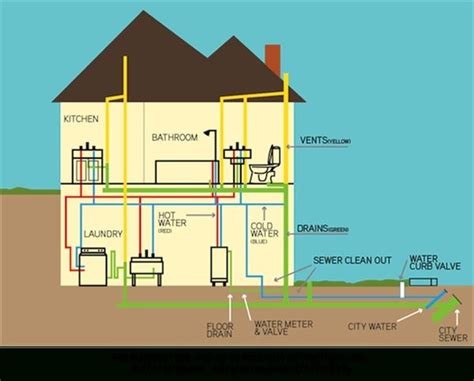
In an emergency, quick access to your main water shutoff valve can save your home from extensive water damage. Locate the valve and ensure it’s easy to operate. Test it periodically to confirm it fully turns off the water supply. Every member of the household should know where it is and how to use it.
Hire Professional Plumbing Inspections
Even with diligent home maintenance, some issues require expert attention. Schedule a professional plumbing inspection every couple of years to assess the condition of your pipes, fixtures, and appliances. Licensed plumbers use specialized equipment to detect hidden leaks, corrosion, and other problems guaranteeing your system remains in top shape.
Tips for Sustainable Plumbing Maintenance
In addition to protecting your plumbing system, adopting sustainable practices helps conserve water and reduce your environmental footprint:
- Fix leaks promptly; a dripping faucet can waste gallons daily.
- Install water-efficient fixtures such as low-flow showerheads and toilets.
- Avoid flushing non-degradable items down the toilet to prevent clogs and contamination.
- Collect rainwater for outdoor irrigation instead of using potable water supplies.
Conclusion
Maintaining your plumbing system doesn’t have to be complicated or time-consuming. By following these practical steps—regular inspections, drain care, pressure monitoring, water heater upkeep, and seasonal preparations—you can prevent most common plumbing issues and ensure your home runs smoothly. Remember to complement your self-care routine with professional checkups and adopt water-conscious habits to protect both your plumbing and the environment. A well-maintained plumbing system translates to peace of mind and long-term savings for your household.