Trump Administration Faces Friday Deadline In Tariff Refund Case
The Trump administration is facing its first major court deadline Friday in litigation over tariff refunds, a case that could affect how quickly companies can recover duties paid under the administration’s tariff program.
The deadline arrives as a growing number of businesses press the federal government in court over tariffs they say were unlawfully collected or should be returned. The dispute centers on refund claims that, depending on how the court proceeds, could involve significant amounts of money and a large group of importers.
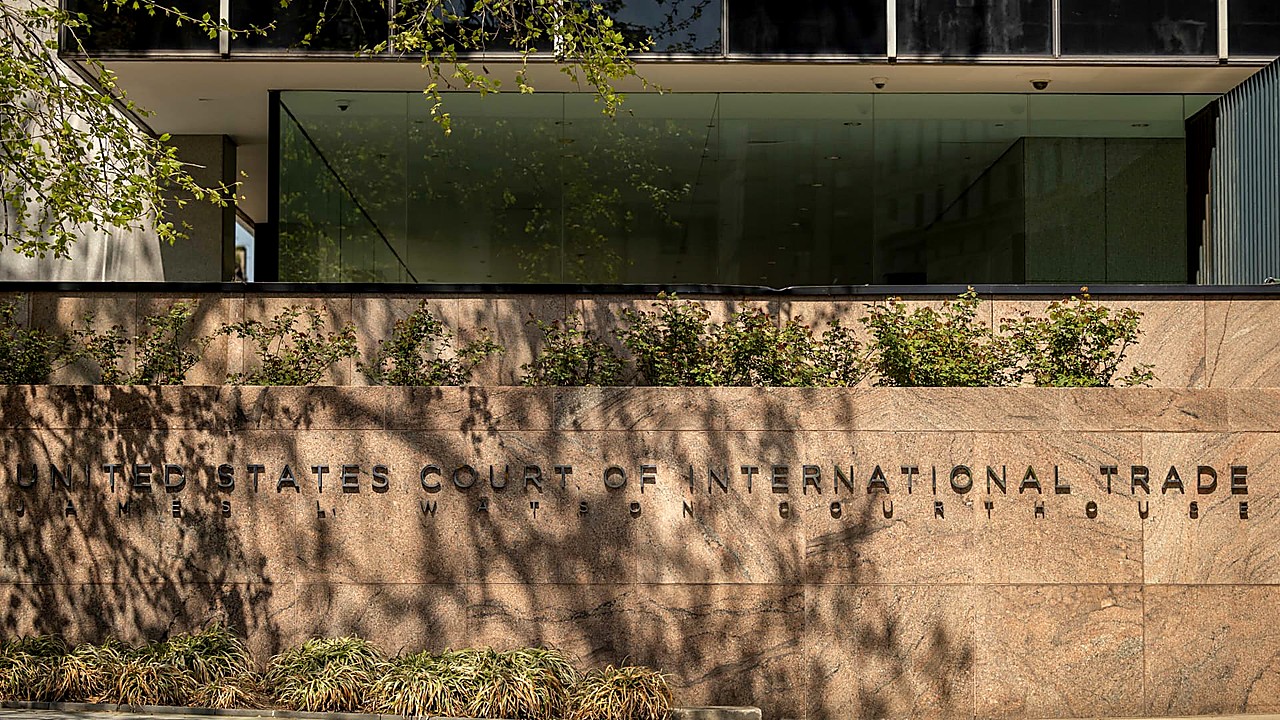
The case before the court concerns tariff refunds sought by companies that paid import duties under Trump-era tariffs. The government is due to respond by Friday under the court’s schedule, marking an early, consequential checkpoint in what could become a broader test of the administration’s approach to defending the tariff regime in court.
Separate litigation and related legal pressure are building. UPS has been hit with a proposed class action lawsuit seeking tariff refunds, according to a report by The Business Journals, underscoring that disputes over who bears tariff costs can extend beyond the federal government and into the private sector. The suit signals how refund fights can expand to carriers and other intermediaries involved in moving goods across borders.
At the same time, a separate report has described hundreds of companies suing the United States over the tariff regime, with claims said to involve large sums. That volume of challenges highlights the scale of the legal exposure facing the government and the stakes for importers that have been paying the duties.
This court deadline matters because tariff refunds are not just accounting adjustments. For companies that import products, refund outcomes can affect cash flow, pricing, and business planning. For the federal government, the litigation raises the possibility of substantial refund liability and a precedent that could shape how tariffs are administered and challenged going forward.
The case also lands amid political attention to potential refund legislation. A separate report has pointed to a bill that would direct large refund checks to be sent “immediately,” reflecting interest beyond the courtroom in how any repayments might be handled. While the court case and legislative efforts are distinct, both are focused on the same central question: whether, when, and how tariff money is returned.
What happens next will depend on the government’s filing due Friday and how the court responds to the arguments and record presented. The court may set additional briefing deadlines, schedule hearings, or otherwise shape the pace of the case as it moves beyond this first major procedural milestone.
However the dispute unfolds, Friday’s deadline is the first clear moment in this refund fight when the administration must put its legal position on the record under a court timetable, setting the tone for the battles to come.