Altman Seeks To De-Escalate OpenAI Tensions With Pentagon
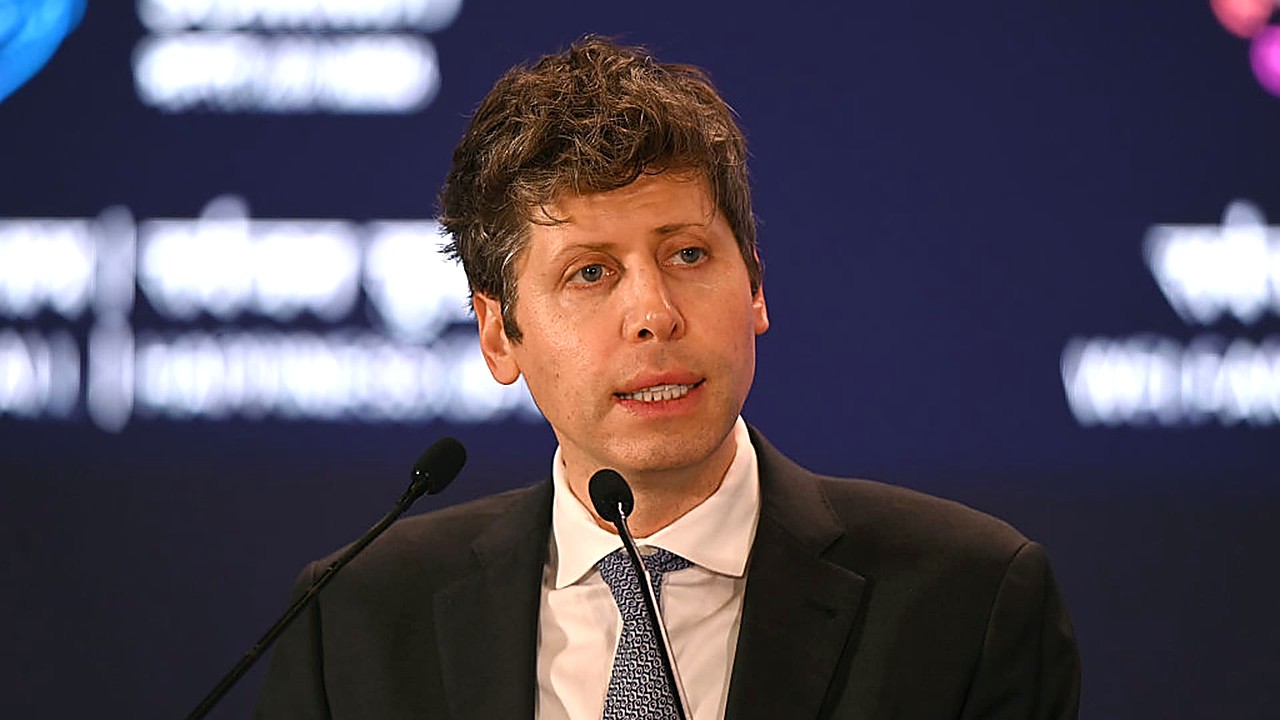
Sam Altman is seeking to “help de-escalate” tensions with the Pentagon as OpenAI employees publicly voiced support for rival Anthropic’s stance on military AI safeguards, according to recent reports.
The development centers on OpenAI’s relationship with the U.S. Department of Defense and internal views about how advanced AI systems should be used in military contexts. Altman, OpenAI’s CEO, has indicated he wants to reduce friction with the Pentagon at a moment when the company is also discussing a potential deal with the Defense Department, according to reporting cited in recent headlines.
At the same time, employees at OpenAI have expressed support for Anthropic, a competing AI company, and its position on safeguards related to military use of AI. The employee support adds a public layer to a debate that has been playing out across the AI industry: how to set limits and standards for government and defense applications of fast-advancing models.
Altman’s comments signal an attempt to manage two pressures at once: maintaining constructive relationships with government customers while addressing concerns voiced by staff and industry peers about the risks of military deployments. In the AI sector, partnerships with federal agencies can carry significant implications for funding, credibility, and influence over how emerging technologies are adopted in public-sector missions.
This matters because the Pentagon is a major potential customer and policymaker in the U.S. technology ecosystem. Any friction between leading AI developers and the Defense Department can shape the pace and direction of AI adoption in national security work. It can also affect how industry norms on safeguards develop, particularly when a leading executive publicly aligns with a rival’s position on protective measures.
The episode also underscores how competition in the AI market does not prevent shared concerns over safety and governance. Altman’s reported support for Anthropic’s approach suggests that, at least on certain guardrails, rival firms may find common ground even as they compete for enterprise and government contracts.
What happens next will depend on how OpenAI proceeds in its talks with the Pentagon and how it addresses the employee sentiment that has been aired publicly. If discussions with the Defense Department continue, OpenAI will likely face heightened scrutiny over what commitments, restrictions, or oversight mechanisms apply to any defense-related work.
The situation could also intensify broader industry conversations about how AI companies define acceptable military uses, what safeguards are required, and how those policies are communicated to employees, partners, and the public. For OpenAI, the challenge will be balancing external engagement with internal alignment, especially as competitors like Anthropic advocate for specific boundaries.
Altman’s stated goal of de-escalation sets a clear near-term priority: reduce tension, keep lines of communication open, and navigate the intersection of government demand and AI safety expectations.