Google Expands AI-Powered Workspace Access In Search
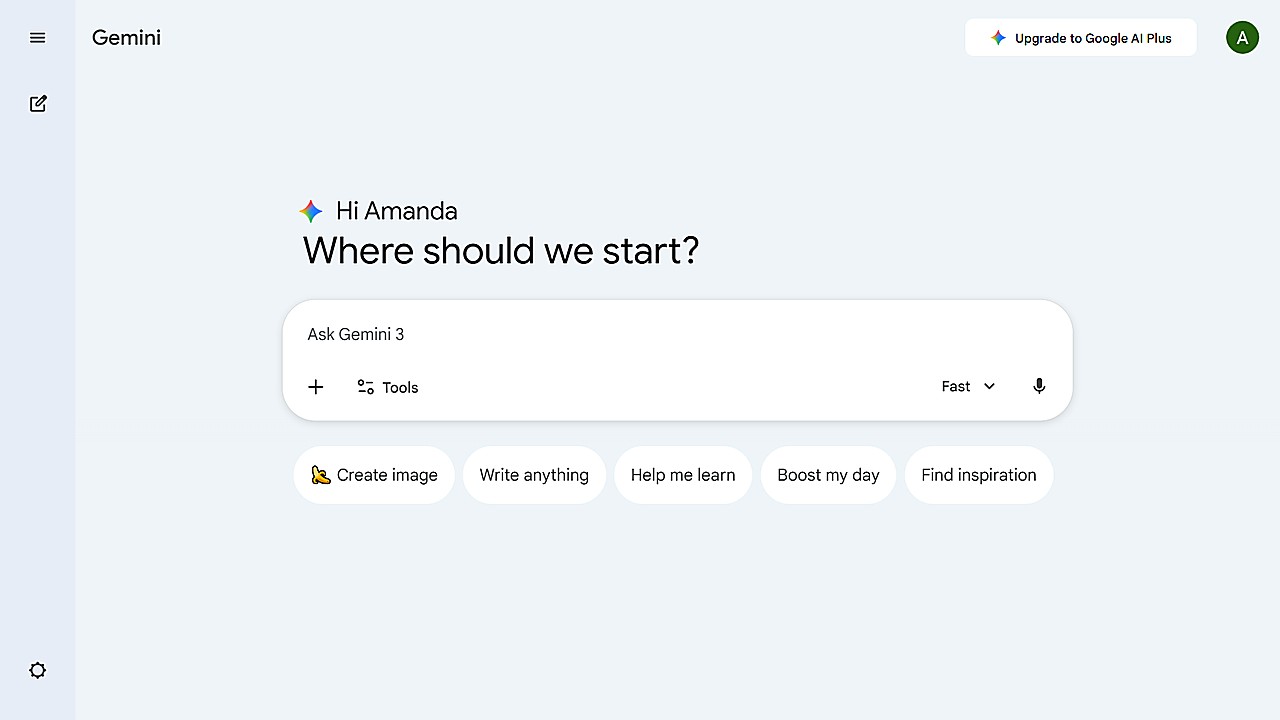
Google has expanded access to its AI-powered workspace inside Search, giving more users a built-in area to plan, write, and code without leaving the search experience.
The feature is part of Google’s AI Mode in Search and centers on a workspace called “Canvas,” which is designed to let users draft documents and create other materials while they search. The rollout makes Canvas available to a wider audience than before, broadening who can use these tools directly from Search.
As described in recent reports, Canvas is intended to function as an on-screen working area tied to AI Mode. Instead of treating search as a sequence of queries and results pages, the experience is positioned around longer projects, such as outlining a plan, drafting copy, or generating code in a single place. Users can start with a prompt and continue refining the output within the workspace.
The expansion matters because it pushes Google Search further into territory traditionally served by standalone productivity apps. By embedding a workspace into Search, Google is encouraging users to move from looking up information to producing finished work in the same session. That shift could change how people use Search for school assignments, personal planning, and work tasks that typically require bouncing between multiple sites and tools.
It also raises the stakes in the fast-moving competition among major tech companies to build AI assistants that can handle multi-step tasks. An integrated canvas-style workspace suggests Google is aiming for more than short answers, focusing on ongoing creation and iteration inside its flagship product.
For users, broader availability means more people will be able to test whether an AI workspace inside Search fits into their routine. For developers and technical users, the ability to generate and refine code in a dedicated area tied to AI Mode could make Search a more central starting point for troubleshooting and prototyping. For writers and planners, the promise is a single place to go from idea to draft without switching contexts.
What happens next will be defined by how widely the feature is distributed and how quickly Google adds tools around it. Recent coverage points to “new tools” arriving alongside wider access, suggesting the company is continuing to build out the workspace rather than treating it as a static add-on. As more users try Canvas, feedback and real-world usage will likely shape what capabilities are emphasized, how editing and iteration works, and how Canvas fits alongside traditional search results.
Google’s latest move signals that Search is being reshaped into a place not just to find information, but to finish the work that information is used for.