UAE Ports Face Rising Threat From Iran-Linked Drone Strikes
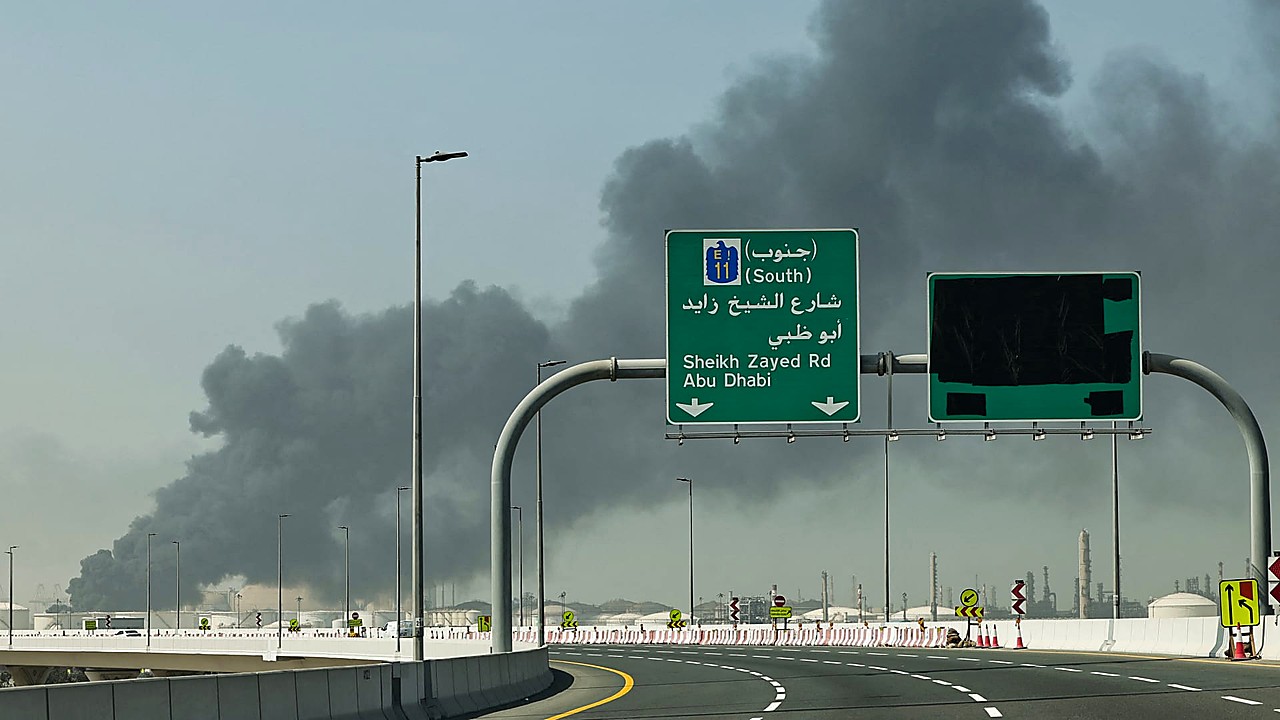
The United Arab Emirates has emerged as a focal point in escalating tensions with Iran, after a series of statements and reports tied to threats, alleged attacks, and warnings involving Gulf states and potential U.S.-linked military activity in the region.
Multiple outlets have published accounts asserting that Iran has directed aggression or threats toward the UAE. Egypt Independent reported that a senior diplomatic advisor said more than 1,900 Iranian attacks targeted the UAE. PressTV reported that Iran warned it would target the origins of U.S. missile launches in UAE cities. Separately, The Sunday Guardian reported Tehran claims rockets were fired from UAE soil, raising the UAE’s profile in a broader confrontation involving Iran, Israel, and the United States.
The developments sit against a wider backdrop of regional conflict tracked by the Council on Foreign Relations, which has chronicled Iran’s confrontations involving Israel and the United States. Homeland Security Today reported an “Iran Conflict Update” that cited total American losses at 13 and said Israel struck a Quds Day rally in Tehran. Al Jazeera reported Hamas urged Iran to halt attacks on the Gulf while also criticizing aggression on Tehran, underscoring how the spillover of fighting is drawing in other actors and raising alarms across the region.
CNBC, in a headline framed around the UAE being a target for Iran’s aggression, points to the Emirates’ relevance in the current regional security picture. The UAE is a key Gulf state with major cities, critical infrastructure, and deep international ties, making any threat posture directed at it a matter of broad concern for regional stability and global commerce.
The implications are significant for the UAE’s security environment and for U.S. partners in the Gulf. Warnings that reference “origins of U.S. missile launches” in UAE cities, as reported by PressTV, put attention on the sensitive issue of basing, overflight, and defense coordination in a region where military activity can rapidly widen. Claims cited by The Sunday Guardian involving rockets allegedly fired from UAE soil also elevate the risk of miscalculation and retaliation tied to disputed accounts of where attacks originate.
Anwar Gargash, a senior Emirati diplomat, addressed the broader dynamic in comments reported by Gulf News, saying attacks on Gulf states expose Iran’s weakness and deepening isolation. That framing reflects an Emirati effort to position Gulf security as a shared regional priority and to push back against threats that could destabilize the UAE and neighboring states.
What happens next will depend on how governments respond to the competing claims and warnings. Further official statements from the UAE, Iran, and the United States could clarify or intensify the situation, particularly as conflict updates continue to highlight the potential for the Iran-Israel-U.S. confrontation to touch additional territories. Regional actors, including groups like Hamas, have already publicly weighed in on whether attacks should extend into the Gulf, signaling growing pressure to prevent further expansion.
For now, the UAE remains a central point in the region’s escalating rhetoric and reporting, with each new allegation or warning increasing the urgency of preventing the conflict from spreading to Gulf cities and infrastructure.