Trump Pressures Allies On Strait Of Hormuz Security Plans
President Donald Trump has increased pressure on U.S. allies over the strait of Hormuz as the Israel-Iran war continues, while Israeli officials said Israel still has “thousands of targets” in Iran.
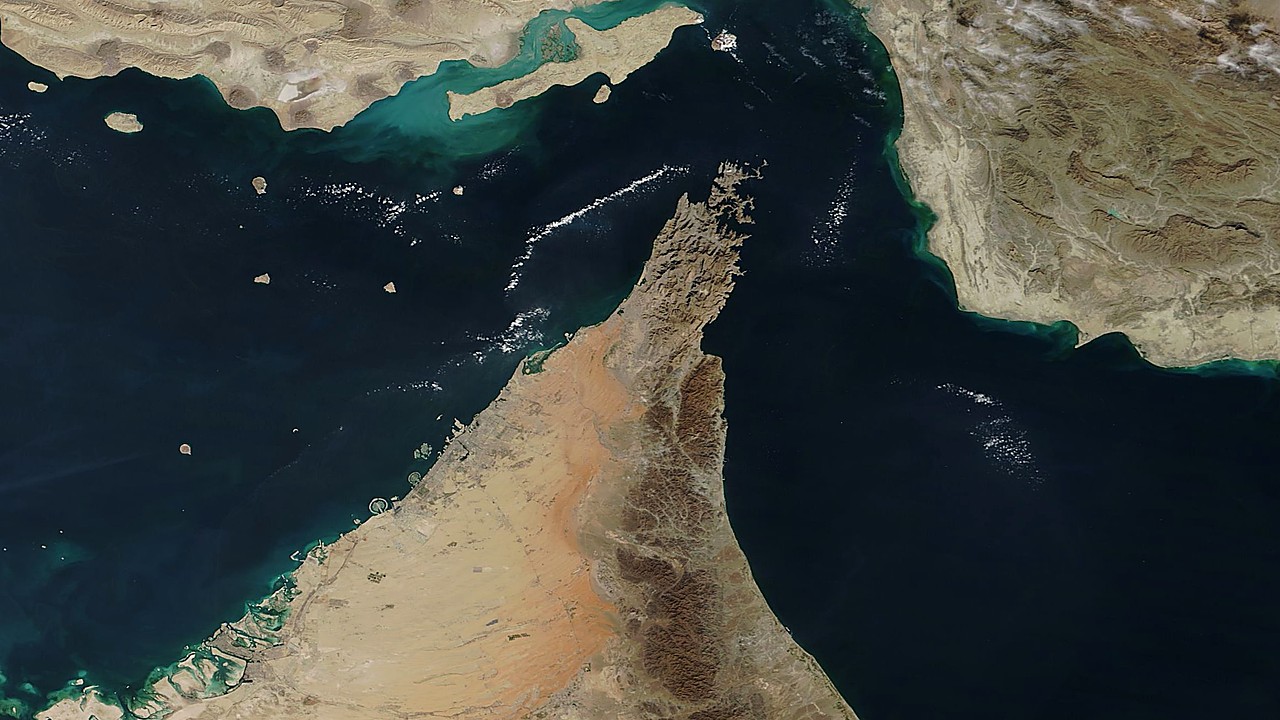
The latest developments were reported as part of ongoing live coverage of the Middle East crisis. The strait of Hormuz, a narrow maritime passage in the Persian Gulf, is a central strategic chokepoint for regional shipping and a focal point for diplomatic and military coordination among the United States and its partners.
Trump’s push on allies signals an escalation in diplomatic demands as the conflict enters a new phase. While the details of the pressure campaign were not specified in the available information, the framing underscores a renewed U.S. emphasis on allied alignment and preparedness tied to the waterway.
On the Israeli side, officials said the country still has “thousands of targets” in Iran. The statement suggests Israel expects continued operations and indicates it views its target set as extensive. No further specifics were provided about the nature of the targets, their locations, or any timeline for additional action.
The combination of U.S. pressure over the strait and Israel’s claim of remaining targets highlights how the conflict is widening beyond immediate battlefield activity into broader strategic questions. The strait of Hormuz is closely watched because any heightened tension there can quickly become an international issue involving energy markets, maritime security, and regional basing and logistics.
The remarks also reflect the extent to which allied coordination is now intertwined with the conflict’s trajectory. When U.S. leaders press partners on issues linked to the strait, it raises the stakes for governments that may be weighing domestic politics, military resources, and economic exposure in deciding how closely to align with Washington’s approach.
This moment matters because it points to continued instability and the potential for the crisis to influence decisions well beyond Israel and Iran. The strait of Hormuz is a shared concern for many countries, and public statements by U.S. and Israeli leaders can prompt shifts in posture, messaging, and contingency planning across the region.
What happens next will depend on how U.S. allies respond to Trump’s demands and how Israeli operations develop in light of the claim that many targets remain. Additional official statements are expected as governments clarify positions on maritime security and on the direction of military activity tied to the Israel-Iran confrontation.
For now, the latest statements from Washington and Jerusalem signal a conflict that remains active and politically charged, with the strait of Hormuz and Israel’s declared target list underscoring the scale of the crisis still unfolding.