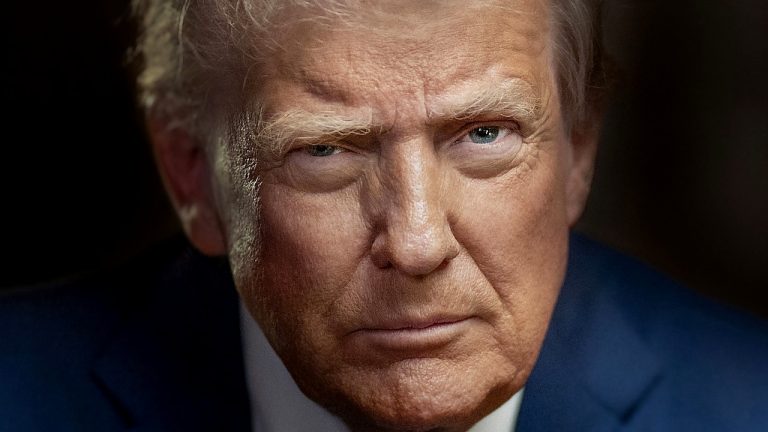
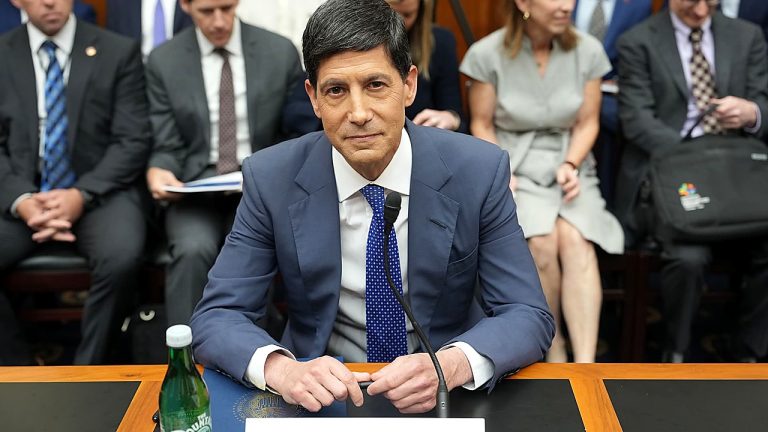
Trump Seeks To Delay Xi Summit As Iran War Escalates
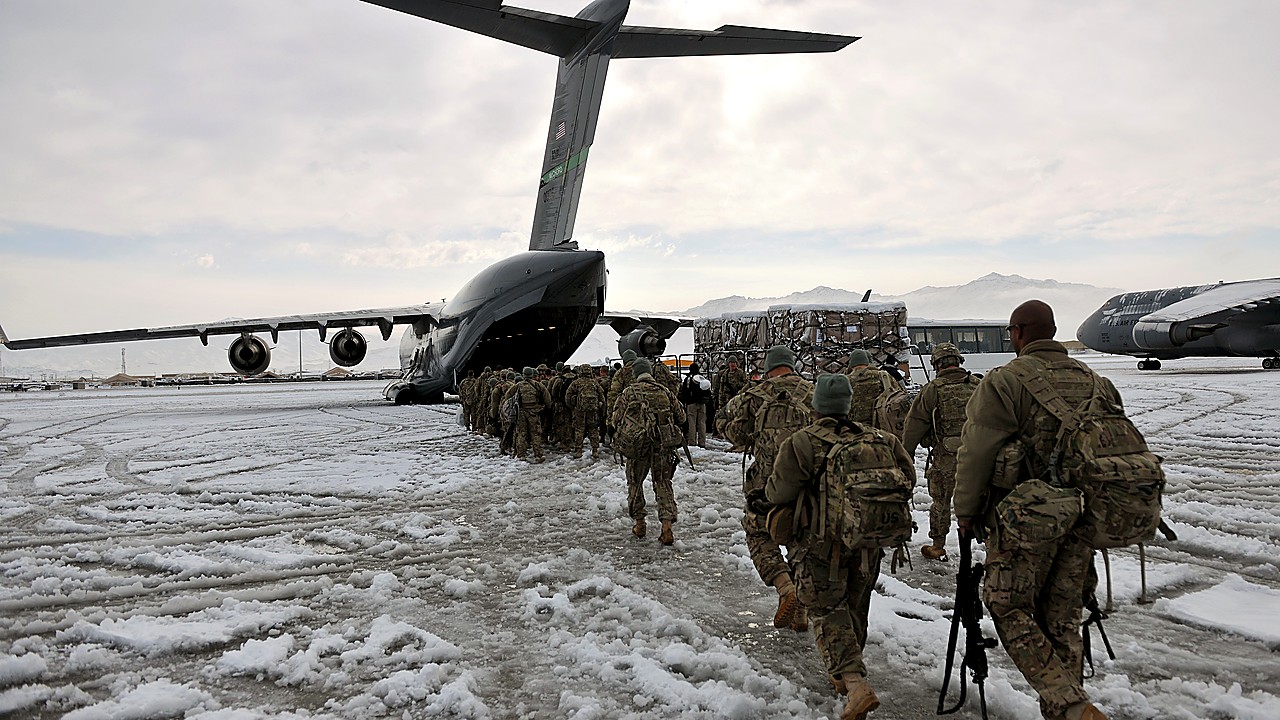
President Donald Trump is seeking to delay a planned summit with Chinese President Xi Jinping as the war involving Iran continues, while the U.S. embassy in Baghdad was reportedly targeted in an air attack, adding to concerns about the security of American personnel and facilities in the region.
The developments were reported as part of live updates on the Middle East crisis, with multiple related reports describing an escalating U.S.-Israel confrontation with Iran and widening diplomatic and security fallout. The reported air attack targeting the U.S. embassy in Baghdad centers attention on Iraq, where U.S. interests have long faced threats amid regional conflict.
The White House has not publicly detailed new scheduling for a Trump-Xi meeting, but the reported push to delay the summit underscores how the Iran war is affecting the administration’s broader foreign policy agenda. Any high-level U.S.-China meeting typically carries major economic and security implications, and shifting plans in the middle of an international crisis can affect diplomatic coordination with allies and competitors alike.
At the same time, the reported targeting of the U.S. embassy in Baghdad raises immediate questions about the safety of U.S. diplomatic staff and the posture of American security assets in Iraq. The U.S. maintains a significant diplomatic presence in Baghdad, and the embassy complex has been a focal point during past periods of heightened tension.
The reported attack also comes as Trump faces political backlash over comments about the Iran war, including a remark that “maybe we shouldn’t even be there,” according to related coverage. That reaction adds domestic pressure as the administration manages a crisis that touches U.S. military deployments, diplomatic relationships, and energy and trade concerns.
Another element highlighted in related reporting is Trump’s stepped-up pressure on European allies to help protect the Strait of Hormuz, a critical maritime chokepoint for global energy shipments. While details of those discussions were not provided, the focus on Hormuz reflects the broader risk that conflict involving Iran can disrupt shipping lanes and increase international anxiety over supplies and prices.
Together, the reported embassy targeting, the effort to manage allied security commitments, and the possible delay of a major U.S.-China summit show how quickly the Iran war is reshaping Washington’s diplomatic calendar and threat environment. In crisis conditions, changes to travel and summitry can signal shifting priorities, and incidents involving U.S. facilities can force immediate operational decisions on security and staffing.
What happens next is likely to include official clarifications on the status of the Trump-Xi summit, as well as additional information from U.S. officials about the reported attack in Baghdad, including any assessment of damage, casualties, or responsibility if such details are confirmed. Regional governments and U.S. partners are also expected to continue discussions on maritime security and broader coordination as the conflict continues.
With the war’s effects now reaching diplomacy and U.S. facilities abroad, the administration is confronting a fast-moving crisis with consequences well beyond the battlefield.