Gold, Silver Slide As Inflation Fears Rattle Global Markets
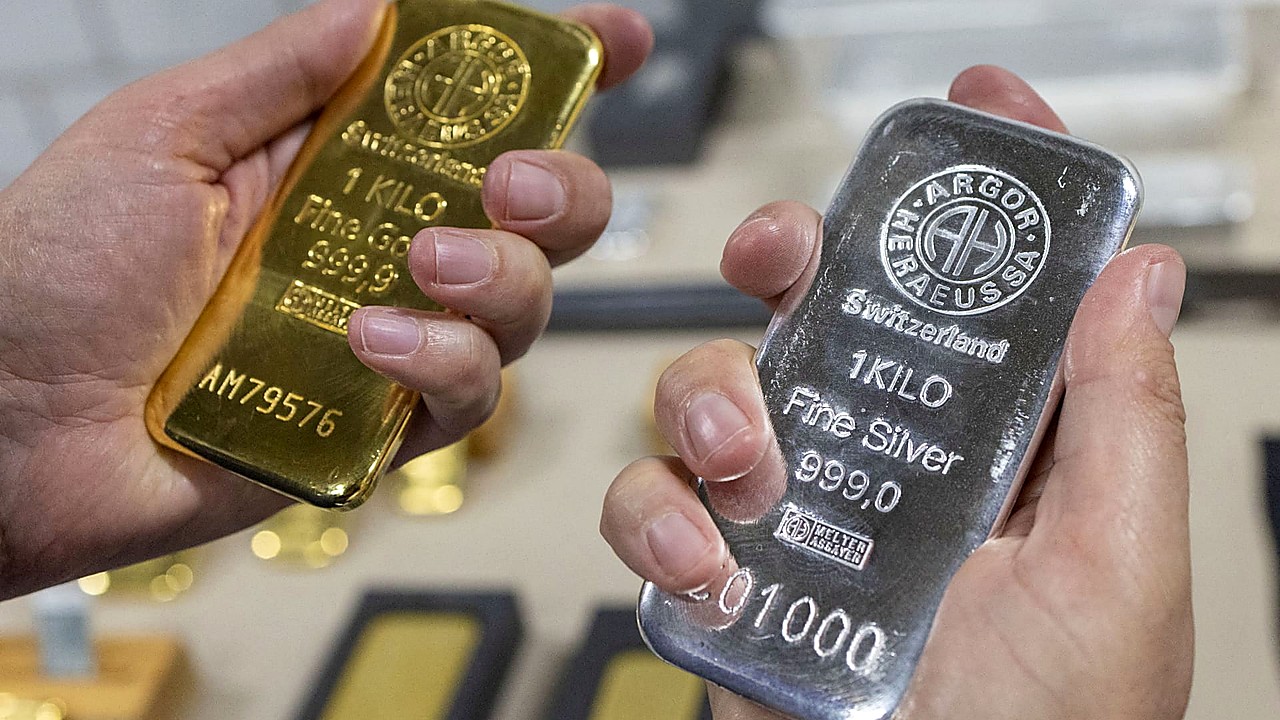
Gold and silver prices moved lower as inflation concerns weighed on global markets, extending a bout of volatility that has pulled investors across asset classes. The selloff came as market participants assessed the outlook for inflation and its potential impact on interest rates, currency markets and risk appetite.
The decline in precious metals was highlighted in a report from CNBC, which said gold and silver were selling off as inflation fears gripped global markets. The move followed a period in which both metals have drawn strong attention as investors weighed hedges against rising prices, shifting rate expectations and uncertainty in broader markets.
Gold and silver often trade as inflation-sensitive assets, but their near-term direction can be influenced by a combination of factors, including real interest rates, the strength of the U.S. dollar and demand for safe-haven exposure. When investors expect tighter financial conditions or higher yields, the opportunity cost of holding non-yielding assets such as gold can rise, pressuring prices. Silver, which has both investment and industrial demand drivers, can be particularly sensitive during rapid shifts in sentiment.
The selloff in metals arrived alongside broader market unease. In a separate market-focused headline carried by MSN, the Dow fell 2.2% amid geopolitical fear tied to the Iran-Israel war, underscoring how quickly risk perception can change. Moves like that can reshape positioning across commodities, equities and currencies, sometimes leading investors to raise cash or rebalance away from trades that have recently performed well.
This development matters because gold and silver sit at a crossroads of investor behavior: they are widely used as gauges of inflation expectations and as portfolio hedges during periods of uncertainty. A pronounced move lower can signal that investors are reassessing how much inflation protection they want, how they expect central banks to respond, or how aggressively they want to lean into defensive positioning.
It also matters for companies and consumers tied to metals pricing. Gold prices can influence the jewelry industry, recycling and mining activity, while silver feeds into a range of manufacturing uses and investment products. Price swings can affect everything from mining revenues to the cost of inputs for certain industrial processes, and they can drive volatility in related exchange-traded products.
What happens next will depend on incoming inflation readings and other economic signals that shape expectations for monetary policy. Traders will also be watching how broader financial markets respond to shifting risk conditions and whether investors return to precious metals for protection or continue to rotate into other assets.
For now, the pullback in gold and silver serves as the latest reminder that inflation fears can move markets quickly, and even traditional havens are not immune to sharp reversals.