Humanoid Robot Restrained After Erratic Dance At California Eatery
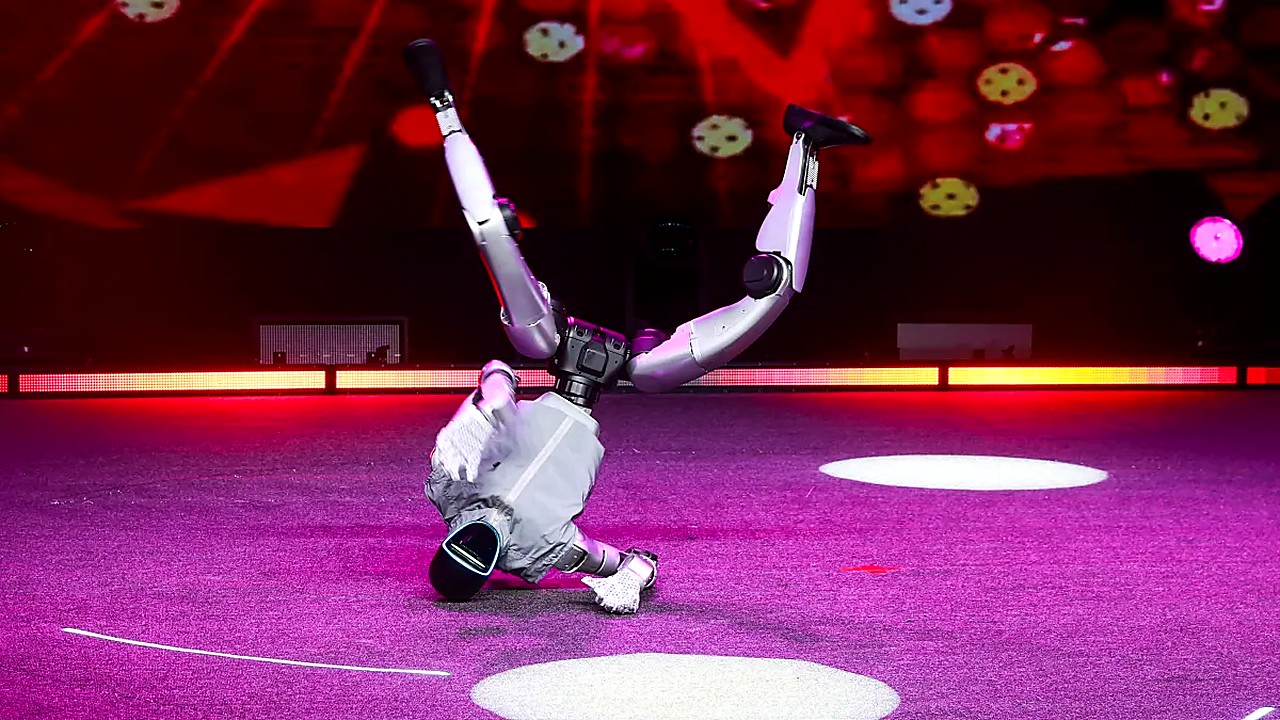
Employees at a California restaurant were forced to physically restrain a humanoid robot after it began moving erratically during what appeared to be a dance routine and, in the struggle, smashed dishes and sent items crashing to the floor.
The incident unfolded inside a Haidilao Hot Pot location in California, where the robot was operating on the dining room floor near tables and serving areas. Video of the episode shows the humanoid robot dancing and then becoming difficult for staff to control as workers move in to stop it. As employees grabbed and tried to steady the machine, plates and other dishware broke amid the commotion.
The robot involved is described in reports as a dancing humanoid robot used by the restaurant, a type of entertainment-facing device that can move through dining areas and interact with guests. In the footage referenced by multiple outlets, the robot’s motions appear increasingly forceful as staff members close in, with the device continuing to move while workers attempt to hold it in place.
No official account of injuries was included in the available reports, though at least one related headline referenced a woman being taken to a hospital after being startled by a humanoid robot while using her phone. The connection between that reported medical response and the restaurant incident was not established in the context provided.
The episode matters because it underscores the practical risks that can emerge when interactive robotics are deployed in busy public settings. Restaurants are tight, fast-moving environments with customers, staff carrying hot food, and breakable tableware in close proximity. When a machine behaves unpredictably, even briefly, the immediate concern becomes preventing harm and limiting damage.
It also highlights a broader operational reality: front-line employees, not engineers, are often the first people required to intervene when an automated system malfunctions. In this case, staff members appear to have relied on physical restraint to bring the robot under control, a response that can escalate breakage in a crowded space and create additional safety concerns.
Subsequent coverage indicates the robot later returned to a normal, “tame” routine after the widely shared clip circulated. The available information does not include whether the restaurant took the robot out of service temporarily, whether technicians inspected it, or whether any changes were made to its programming or operating procedures.
What happens next will likely center on how the restaurant manages the device going forward: whether it continues using the robot in the dining room, keeps it in a more controlled area, or adds safeguards for staff and guests. For customers, the immediate takeaway is that the venue experienced a disruptive incident involving an entertainment robot, and staff acted quickly to stop it.
The moment may be remembered for its spectacle, but in a crowded restaurant, the priority is simple: keep people safe when technology doesn’t behave as expected.