Tehran Strikes Near Israeli Nuclear Center; Trump Warns Iran
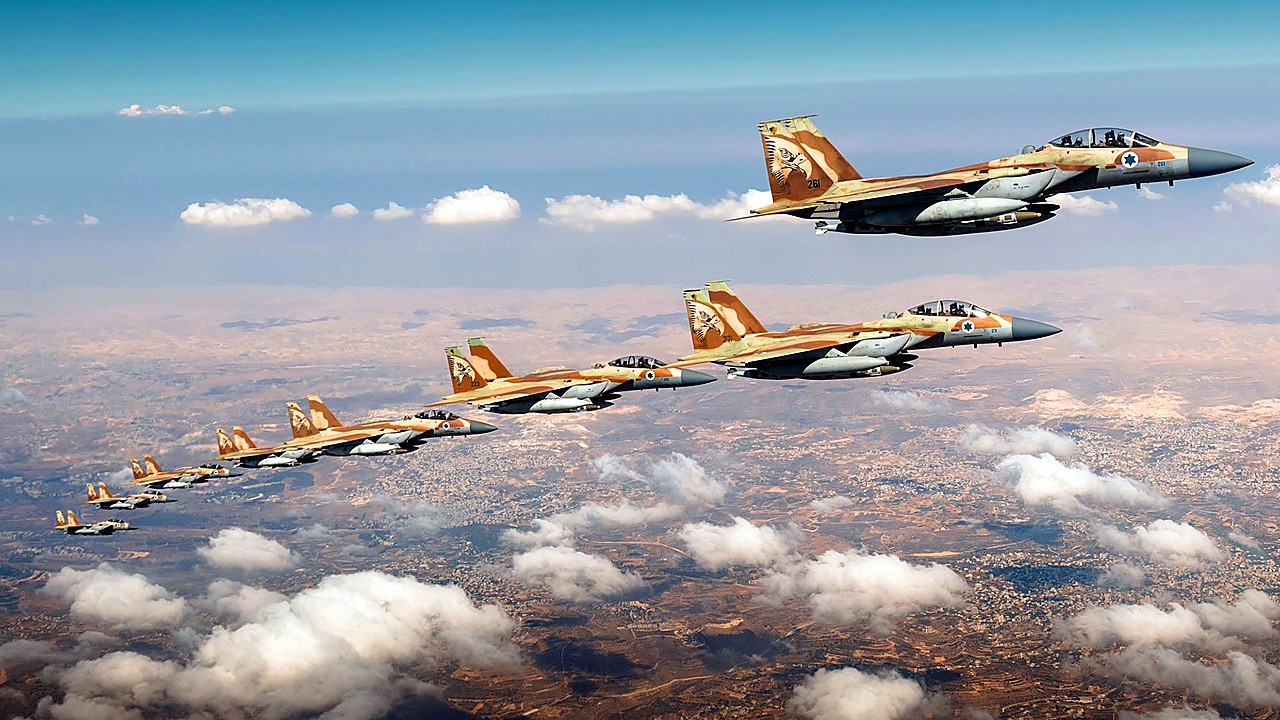
Iran launched strikes near an Israeli nuclear research center as President Donald Trump threatened attacks on Iranian power plants, escalating tensions amid a broader standoff that has increasingly focused on critical infrastructure and strategic sites.
The strikes were attributed to Tehran in reports describing impacts near the Israeli nuclear facility and in two Israeli cities. The Israeli site was identified in coverage as a nuclear research center, and the strikes were described as occurring in its vicinity rather than as a confirmed direct hit on the facility itself.
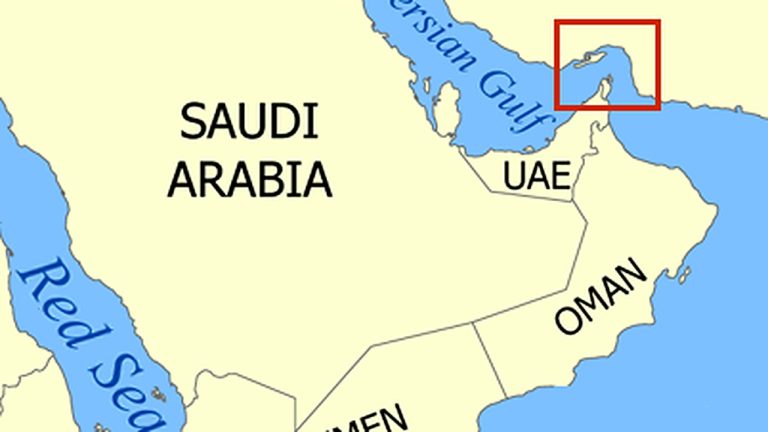
Trump, in comments reported across multiple outlets, warned that the United States could target Iran’s power plants. The threat was tied in those reports to demands that Tehran open the Strait of Hormuz, a key maritime route for global energy shipments. Separate reporting said Iran has threatened to close the strait and has issued its own warnings about striking power plants.
The latest exchange matters because it signals a widening of targets from military and government sites to energy and water-related infrastructure, raising the stakes for civilians and regional stability. Power plants are central to electricity supply, industry, hospitals, and basic services. Any sustained disruption could have cascading effects well beyond the immediate conflict zone.
The Strait of Hormuz element adds another layer of risk. While the reports referenced threats and deadlines connected to the passageway, the significance of the strait is its role as a chokepoint for oil and gas shipments. Even the prospect of restrictions can heighten uncertainty in energy markets and complicate security planning for countries that depend on steady flows through the region.
The developments also underscore the fragility of deterrence as leaders trade public warnings. The language attributed to Trump in coverage included a threat to “obliterate” Iran’s power plants if conditions tied to the strait are not met. Iranian messaging described in reports included threats to close the Strait of Hormuz and warnings that U.S. and allied actions could bring retaliation against infrastructure.
What happens next will depend on operational decisions by the parties involved and on whether threats translate into further strikes. The immediate focus is likely to remain on the situation around the Strait of Hormuz, the security of energy-related facilities, and the risk of additional attacks near high-profile sites in Israel and Iran.
Diplomatic and military channels will also be watched closely for any steps that could reduce the risk of broader escalation, particularly given the increasing attention on critical infrastructure. For now, both sides’ publicly stated positions, as reported, point to continued confrontation rather than de-escalation.
With strikes reported near a sensitive Israeli nuclear site and U.S. threats aimed at Iran’s power grid, the conflict has moved deeper into the realm of infrastructure warfare, where the consequences can spread quickly and prove difficult to contain.