Iran’s IRGC Mosquito Fleet Raises Risks In Strait Of Hormuz
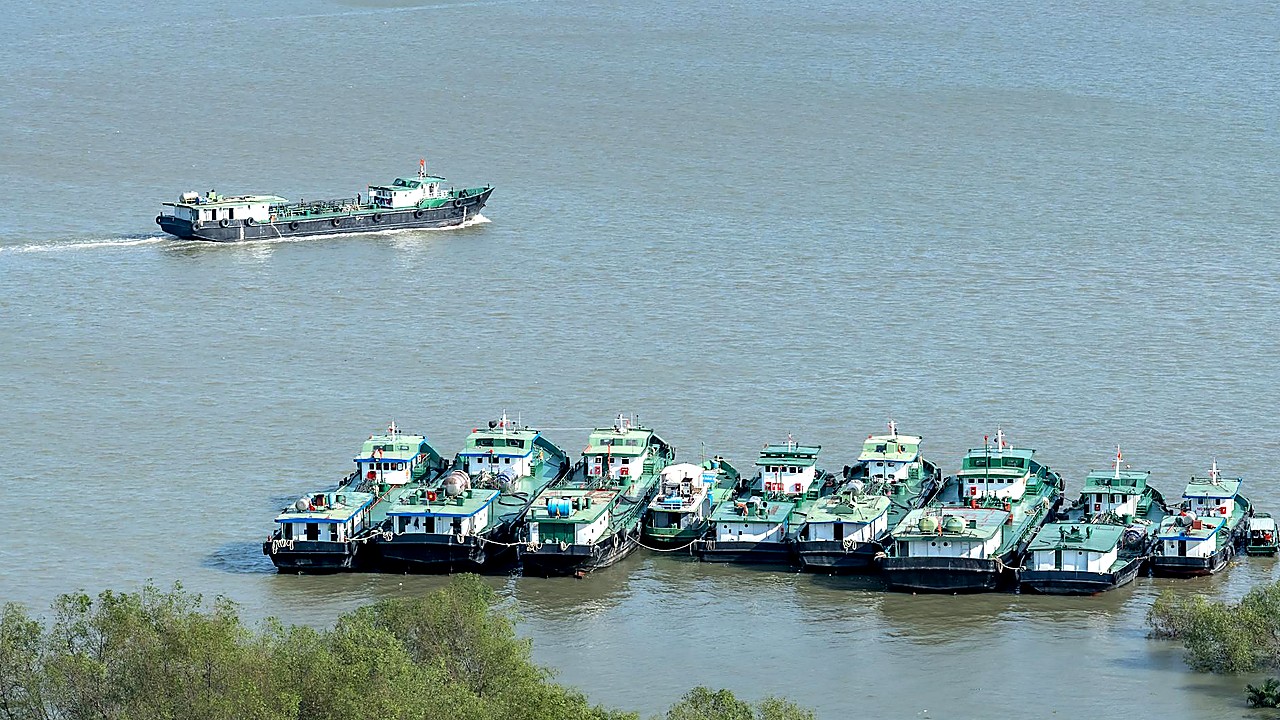
Iran’s Islamic Revolutionary Guard Corps has again been highlighted by multiple news outlets for its so-called “mosquito fleet,” a force of fast, small attack craft viewed as a serious threat to shipping and naval forces operating in and around the Strait of Hormuz.
The Strait of Hormuz is a narrow maritime corridor linking the Persian Gulf to the Gulf of Oman and the broader Indian Ocean. It is one of the world’s most strategically important waterways, and reporting has focused on how Iran’s Revolutionary Guards use large numbers of small boats to operate in the area.
The vessels described in recent coverage are typically small, fast and maneuverable. They are presented as capable of swarming tactics, allowing Iran to put multiple craft on a target quickly and from different directions. This approach is often contrasted with traditional naval operations centered on larger warships, emphasizing speed, numbers and close-range pressure.
Recent headlines from ynetnews and The New York Times, among others, frame the “mosquito fleet” as a potent challenge in the strait. The reporting underscores that the Revolutionary Guards’ naval arm operates in a way designed for the region’s geography, where narrow lanes and heavy commercial traffic can complicate military responses and increase the risk of miscalculation.
This development matters because the Strait of Hormuz sits at the intersection of regional security and global commerce. Any disruption to vessel traffic in the area can quickly escalate from a local military concern into a broader international issue involving commercial shipping operators, insurers, and multiple national navies that monitor the waterway.
For military planners, the focus on the “mosquito fleet” reflects a persistent operational problem: small craft can be difficult to track and deter in congested waters, and swarming concepts can compress decision time for forces tasked with protecting ships. The attention in recent articles signals continuing concern about the tactics and posture of Iran’s Revolutionary Guards in one of the most sensitive maritime chokepoints in the world.
The renewed spotlight also reinforces how maritime security in the strait is not limited to large, high-profile assets. Instead, it can hinge on the day-to-day actions of smaller units operating close to commercial routes, where encounters can turn tense quickly even without a broader conflict underway.
What happens next will depend on how regional actors and international naval forces adjust to the ongoing threat environment described in the recent reporting. Coverage suggests continued scrutiny of the Revolutionary Guards’ capabilities and operating patterns, as well as the preparedness of forces that patrol and transit the waterway.
For now, the latest wave of reporting sends a clear message: in the Strait of Hormuz, Iran’s smallest boats can pose some of the biggest risks.