United Airlines Cuts 2026 Outlook As Fuel Costs Rise
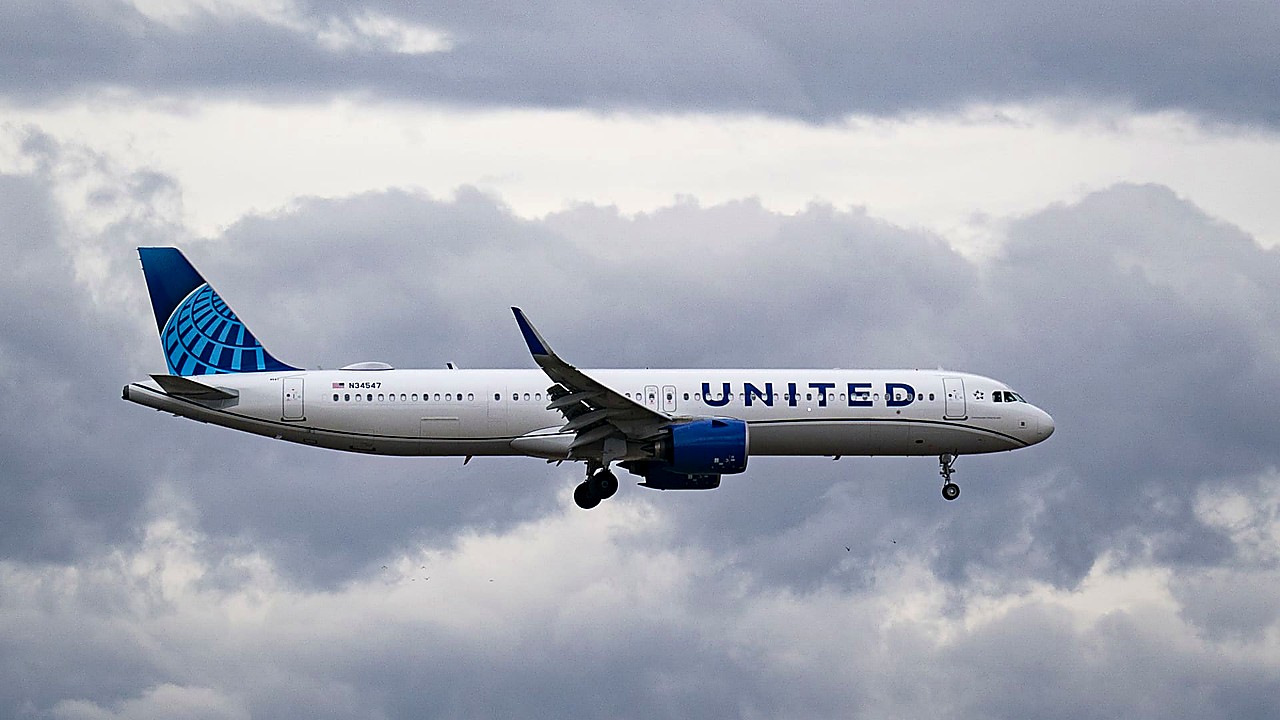
United Airlines has cut its forecast for 2026 as rising jet fuel costs squeeze the carrier’s outlook, marking a notable shift for one of the nation’s largest airlines as the industry confronts a renewed jump in a key operating expense.
The company lowered its 2026 expectations in a move reported by CNBC. The change centers on higher fuel costs, which can quickly alter airline profitability because fuel is among the largest and most volatile line items in carriers’ budgets. United did not provide additional details in the information available here about the size of the revision or which specific financial targets were reduced.
United’s adjustment comes as airlines more broadly respond to the same cost pressures. Other recent reports have described carriers cutting flights and adding extra charges as fuel prices rise, according to coverage from The Independent and other outlets. A Reuters factbox on Investing.com has also highlighted a range of actions across the industry tied to higher fuel costs, including price increases and outlook cuts.
United operates an extensive domestic and international network, and revisions to its longer-range outlook can influence everything from capacity planning and staffing to fleet decisions. For investors and industry observers, a lower 2026 forecast signals that the company expects the fuel environment to remain challenging enough to affect longer-term performance assumptions, not just near-term quarterly results.
The development matters because airlines generally have limited levers to pull when fuel rises sharply. Carriers can attempt to raise fares, add or expand fees, reduce or re-time flights, and adjust routes, but each option comes with competitive and operational tradeoffs. When one major airline revises expectations, it can also shape broader market sentiment about the sector’s ability to maintain margins.
Fuel-cost pressure can also ripple to travelers. Industry-wide responses described in recent coverage include schedule changes and new or higher charges, which can affect ticket prices, availability on certain routes, and the overall cost of a trip. The extent of any impact depends on how each airline chooses to manage its network and pricing.
What happens next will depend on how long fuel costs remain elevated and how carriers respond. United and its competitors may continue to recalibrate schedules and pricing as conditions evolve. Investors will likely watch for additional company updates, including any further revisions to longer-term targets and any operational changes tied to fuel.
For now, United’s reduced 2026 forecast underscores how quickly higher jet fuel costs can reshape expectations across the airline industry.