Altman Apologizes After OpenAI Missed Police Warning
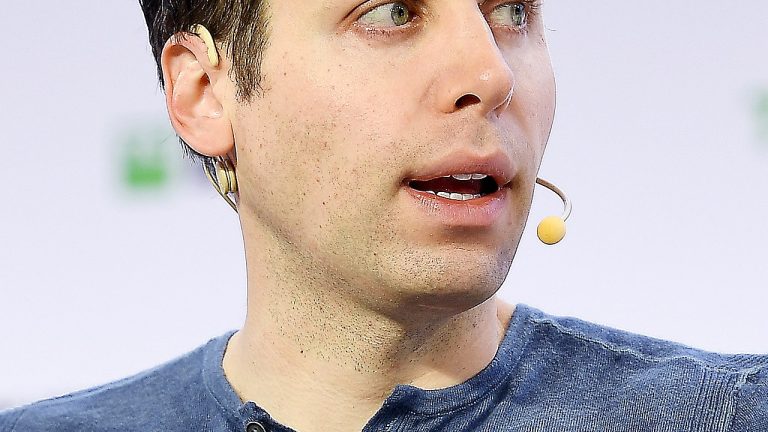
OpenAI CEO Sam Altman has issued an apology after the company failed to alert police ahead of killings in Tumbler Ridge, according to recent reports.
The apology centers on OpenAI’s handling of information tied to the Tumbler Ridge case, in which people were killed. Reports describe the incident as a mass shooting, and multiple outlets said OpenAI missed an opportunity to provide a warning that could have reached law enforcement before the violence occurred.
Altman’s response, as characterized in the coverage, framed the failure as a serious lapse. The apology places OpenAI at the center of renewed scrutiny over how artificial intelligence companies handle potential safety threats, including what systems exist for identifying credible risks and what steps are taken when those risks appear to involve imminent harm.
The development matters because it highlights the high stakes around AI tools that can receive alarming or threatening content. When an incident escalates into real-world violence, questions quickly follow about what responsibility technology platforms have to intervene, what information they can legally share, and whether they have clear procedures for escalating urgent situations to authorities.
The reports also underscore the limitations and uncertainty that can surround fast-moving safety decisions, particularly when a company is weighing user privacy, legal constraints, and the challenge of determining when content is an actionable threat. In this case, the outcome has prompted public attention on whether OpenAI had processes in place that could have led to notifying police before the killings.
OpenAI’s apology is likely to intensify pressure on the company to explain its safety protocols and to outline what changes it will make. That could include reviewing internal escalation pathways, clarifying when and how law enforcement is contacted, and tightening the company’s approach to threats of violence.
What happens next will depend on how OpenAI and other parties respond. Further statements from the company could address what it knew, when it knew it, and what steps were taken at the time, as well as what safeguards will be added going forward. The case may also draw attention from policymakers and regulators focused on the role of AI systems in public safety and crisis response.
Altman’s apology puts a sharp spotlight on the responsibilities that come with widely used AI tools, and on the consequences when safety systems fail at a critical moment.