Saudi Arabia Secretly Struck Iran Targets During War, Sources Say
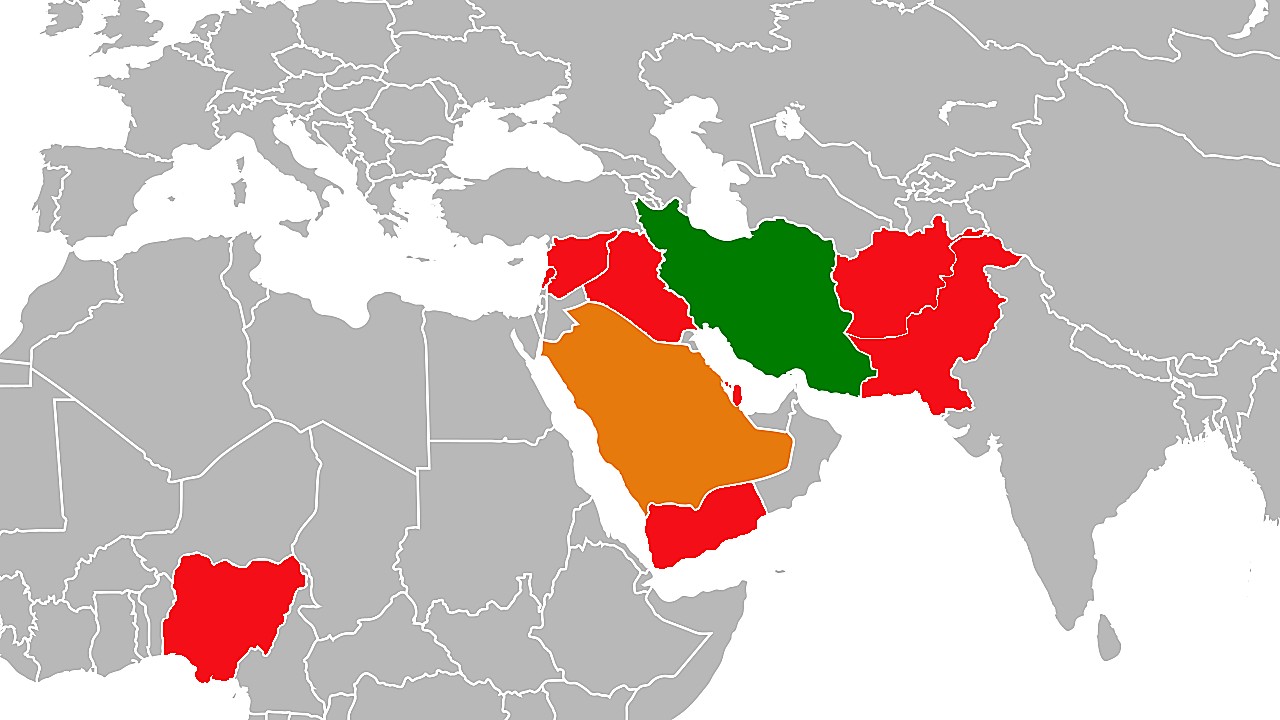
Saudi Arabia carried out covert strikes on Iran during the course of a regional war, according to sources cited in multiple published reports. The alleged attacks were not publicly acknowledged at the time and were described as having taken place as the conflict widened.
The reports, including an account published by Reuters, said Saudi Arabia launched covert attacks on Iranian targets during the war. Separate coverage by The Times of Israel and Haaretz also reported that Saudi Arabia conducted strikes on Iran, describing them as covert and, in some accounts, retaliatory.
Details on the timing, targets, and methods of the strikes were not fully laid out in the published summaries. The reporting described the activity as occurring during a broader regional conflict and attributed the information to unnamed sources.
Saudi Arabia and Iran are longtime regional rivals whose relationship has shaped security dynamics across the Middle East. Any direct Saudi military action against Iran, even if limited and kept out of public view, would represent a significant shift from past patterns in which the two countries have more often confronted each other through indirect means and regional proxies.
The development also matters because it could alter how governments in the region and beyond assess escalation risks. Covert military operations can complicate efforts to contain conflicts, as they may limit public accountability and increase the chances of miscalculation among adversaries who are operating with incomplete information.
For global markets and international diplomacy, allegations of direct attacks between major regional powers carry implications for energy security and for the diplomatic efforts that have periodically sought to reduce tensions between Riyadh and Tehran. Even when actions are not publicly confirmed, credible reporting of cross-border strikes can affect how allies, partners, and rivals position themselves.
What happens next is likely to center on official responses and any additional disclosures. Governments involved could deny, decline to comment, or offer partial confirmations, and further reporting could clarify the alleged targets and the scope of operations. Regional actors may also reassess their military postures in light of the claims, while international partners weigh how the reports affect their own engagement with both countries.
In the near term, attention will be on whether additional evidence emerges and whether the countries implicated choose to address the reports directly. The allegations add a new layer of uncertainty to an already volatile regional landscape, underscoring how quickly conflicts can widen beyond their original fronts.