Altman Denies Musk Claims, Defends OpenAI Governance
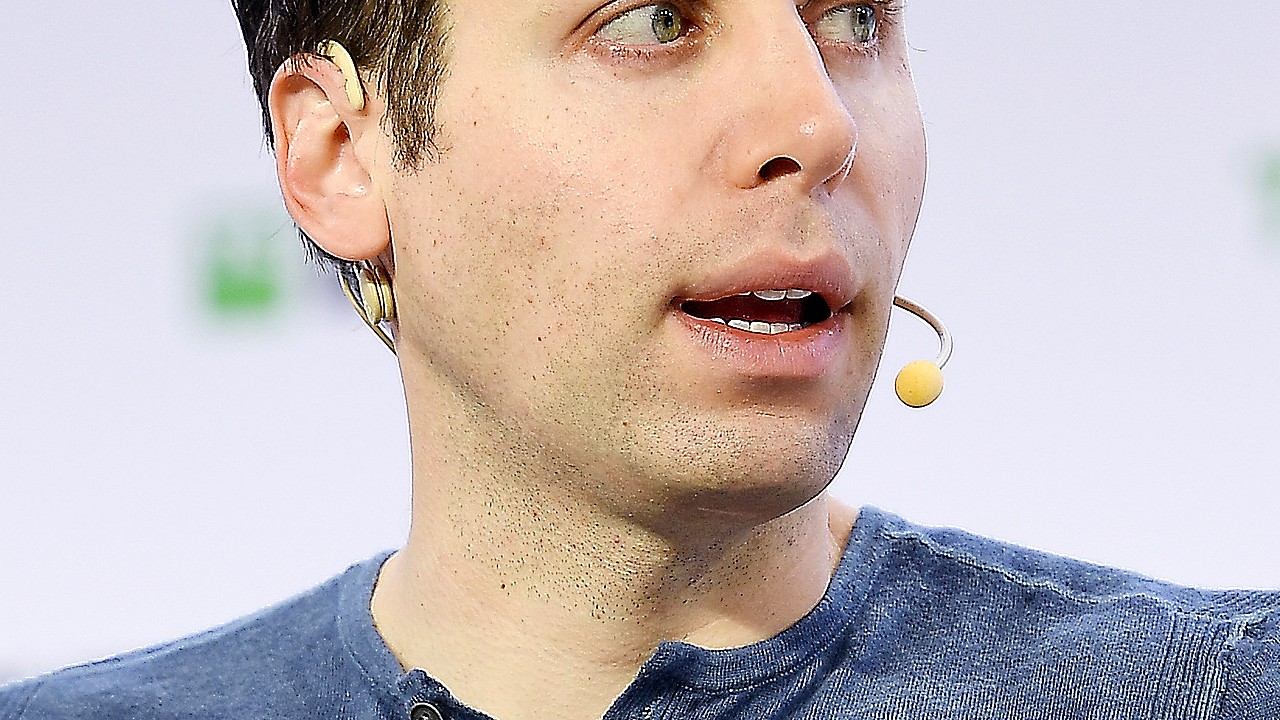
Sam Altman took the witness stand in an OpenAI trial and told the court he is trustworthy, directly pushing back against claims raised by Elon Musk in a high-profile legal fight involving the artificial intelligence company.
Altman’s testimony came amid a contentious courtroom exchange that has placed two of Silicon Valley’s most prominent figures on opposite sides of a dispute over OpenAI’s direction and governance. The case has drawn intense attention because it centers on how a leading AI lab is run and who should control its future.
According to reporting from Sky News, Altman insisted he is trustworthy in his response to Musk. In a separate account carried by Yahoo Finance UK, Altman also testified that Musk at one point “wanted 90%” of OpenAI. Those statements, aired in open court, underscored the sharp personal and strategic divide between the men as the proceedings continued.
The case is being closely watched across the technology sector because OpenAI’s work sits at the center of the rapidly expanding market for generative AI systems. Disagreements over the company’s structure, leadership, and priorities can have consequences not only for investors and employees but also for how influential AI tools are developed and deployed.
Altman’s decision to frame his response around trustworthiness reflects how much of the dispute has turned on credibility, motivations, and decision-making inside the organization. When leading executives and founders clash publicly, it can shape perceptions of stability and accountability at a time when governments and businesses are scrutinizing AI development more closely.
Musk has long been a major public voice in debates over artificial intelligence, and he has used lawsuits and public statements to press concerns and arguments about major AI organizations. Altman, as OpenAI’s top executive, is the face of the company’s operations and partnerships, making his courtroom testimony a key moment for OpenAI’s position in the case.
The trial also highlights a larger question facing the industry: how to balance ambitious AI research and commercialization with oversight and guardrails. While the specifics of the legal claims are being addressed in court, the outcome could influence how other AI ventures think about ownership, control, and governance arrangements.
What happens next will be decided through the continuation of testimony and the presentation of evidence and arguments from both sides. The court will weigh competing accounts of what was sought, promised, or understood about OpenAI’s structure and control as the organization evolved.
For now, the proceedings have brought an internal power struggle into public view, with Altman using the courtroom to rebut Musk directly and defend his own credibility as OpenAI’s leader.