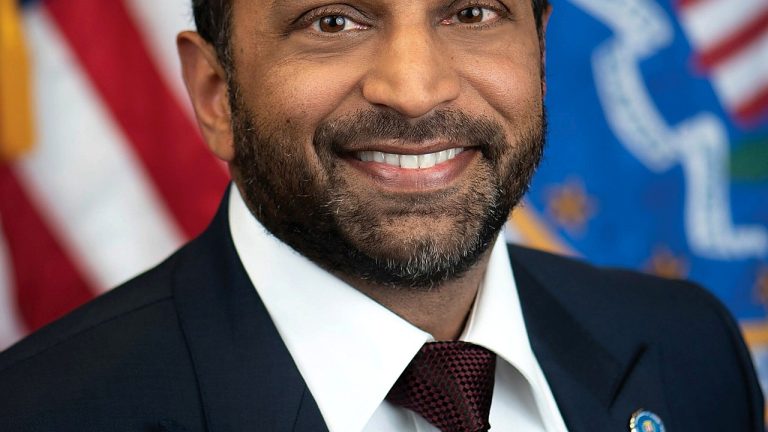
Border Patrol Chief Mike Banks Resigns Amid DHS Leadership Shift

U.S. Border Patrol Chief Mike Banks has resigned, marking the latest leadership change at the nation’s largest federal law enforcement agency focused on border security and immigration enforcement.
Banks, who led the U.S. Border Patrol, is stepping down amid a broader shakeup in immigration leadership. The departure was reported by multiple outlets, including CBS News and The Hill, which described Banks as saying “It is time” to leave the role.
The resignation centers on the leadership of the Border Patrol, the uniformed arm of U.S. Customs and Border Protection responsible for policing the border between ports of entry. The agency operates across the U.S.-Mexico border as well as the northern border, with agents assigned to multiple sectors and stations, and it plays a central role in the federal government’s day-to-day border operations.
While the circumstances surrounding Banks’ decision were not fully detailed in the available reports, his exit adds to continued turnover at the top of agencies involved in immigration and border policy. Leadership stability in these positions matters because chiefs and senior officials oversee operational priorities that affect staffing, enforcement posture, coordination with other federal agencies, and implementation of directives.
A change at the top of the Border Patrol can have immediate implications for internal management and external coordination. The chief’s office helps set strategic direction, including how the agency deploys resources across high-traffic corridors, how it supports processing and transport operations, and how it works with other components of the Department of Homeland Security.
The resignation also comes as immigration remains one of the most consequential issues facing federal officials and border communities, with sustained scrutiny from Congress, state leaders, and local governments. In Washington, immigration enforcement and border management are frequent subjects of oversight hearings and policy disputes, making leadership transitions closely watched across party lines.
Separately, lawmakers have launched a bipartisan U.S.-Mexico congressional caucus amid diplomatic strain, according to CBS News. The formation of the caucus underscores the degree to which border management is intertwined with broader U.S.-Mexico relations and cross-border cooperation, from security to migration coordination.
What happens next will be the selection of new leadership for the Border Patrol and any interim arrangements to maintain continuity in command. Federal agencies typically name an acting chief while a successor is chosen, though details of the transition were not provided in the reports cited.
In the coming weeks, attention will focus on whether the leadership change is followed by additional personnel moves and how it affects the agencies and officials responsible for immigration enforcement and border operations. For now, Banks’ resignation stands as another significant shift at the top of the nation’s border enforcement apparatus.