SpaceX IPO Would Add Second Musk Stock, Raising Tesla Risks
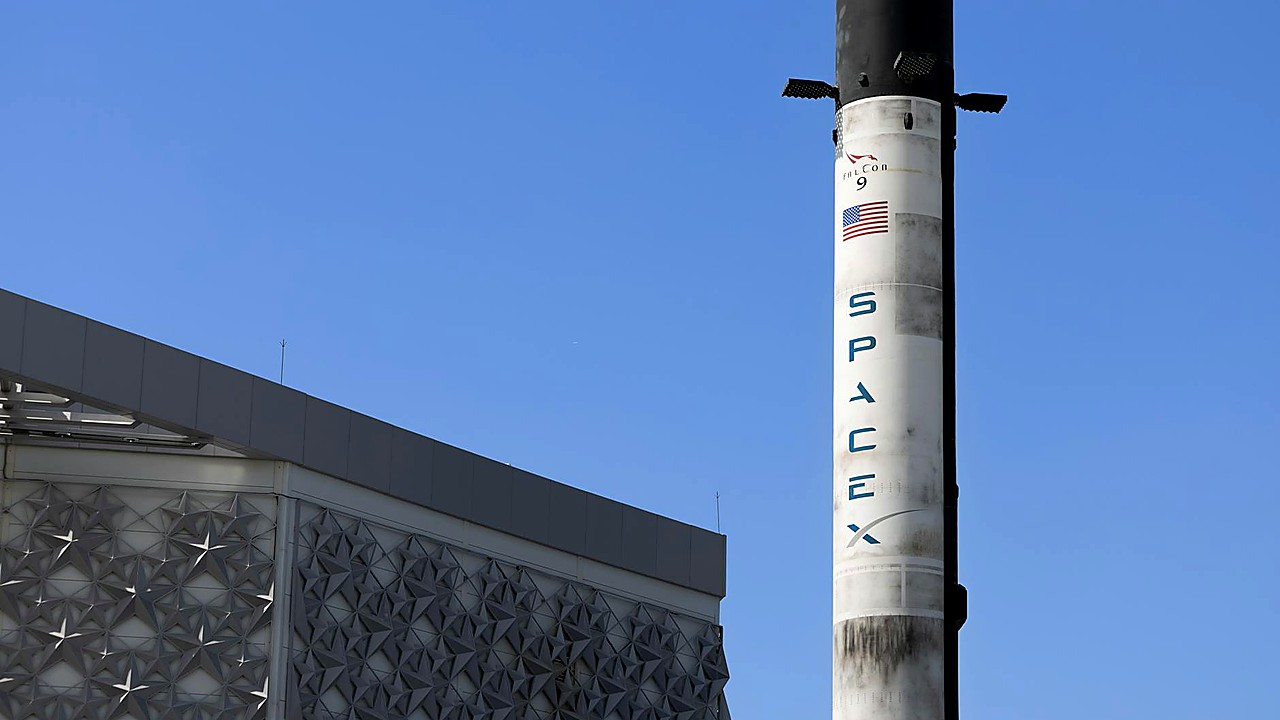
Investors are weighing the implications of a possible SpaceX initial public offering that would create a second publicly traded Elon Musk-linked stock, a development analysts have described as a potential problem for Tesla.
The central issue is attention and capital. Tesla has long been the primary way public-market investors could buy into Musk’s leadership and brand. If SpaceX becomes publicly listed, some of that demand could be redirected, changing how investors value Tesla and how they allocate money across the two companies.
SpaceX is Musk’s privately held aerospace and satellite-internet company, best known for its rocket launches and its Starlink business. Tesla, the publicly traded electric-vehicle and energy company Musk leads, has historically been closely associated with his personal reputation and ability to attract investor enthusiasm.
In reports and commentary from financial media outlets including Bloomberg, Yahoo Finance and Forbes, market observers have framed the prospect of another Musk-related stock as a complication for Tesla. The concern is not about Tesla’s day-to-day operations in the near term, but about how the market prices “Musk exposure” once it has more than one liquid option.
For Tesla shareholders, that matters because valuations can be influenced by more than current earnings and sales. Tesla has often been treated as a technology platform with a high-growth narrative, and Musk’s profile has been a key part of that story. A new, highly visible public listing tied to Musk could compete for the same investor base, analyst coverage and media oxygen.
The dynamic could also affect how institutions manage risk and concentration. Portfolio managers who want exposure to Musk-led businesses would have a new instrument to consider. If they view SpaceX as offering different growth characteristics than Tesla, they may split allocations rather than concentrating them in Tesla, potentially changing demand for Tesla shares.
A SpaceX listing would also create another high-profile public company where Musk’s time and attention are scrutinized. Tesla has faced recurring questions from investors about executive focus amid Musk’s other ventures. A second public listing could intensify that scrutiny, simply because public markets demand regular reporting cycles, investor communications and governance processes.
At the same time, the development would give the market a clearer way to compare investor sentiment between Musk’s automotive business and his space and satellite ambitions. That could reshape narratives around which of his companies is seen as the primary growth vehicle at any given moment.
What happens next depends on SpaceX’s own timeline and decisions. The recent headlines reflect analysis and investor debate about the possibility of an IPO rather than a confirmed offering with disclosed terms. If SpaceX takes formal steps toward a listing, attention will turn to how it plans to structure the offering, how it communicates its business prospects to public investors, and how markets respond.
For Tesla, the next signposts will be whether investor discussions begin to treat SpaceX as a substitute for Tesla’s “Musk premium,” and whether that framing shows up in research notes, fund positioning and earnings-call questions.
If SpaceX does move toward an IPO, Tesla investors may soon find that Musk’s public-market spotlight is no longer theirs alone.