Jury Says Musk Filed OpenAI Blockbuster Suit Too Late
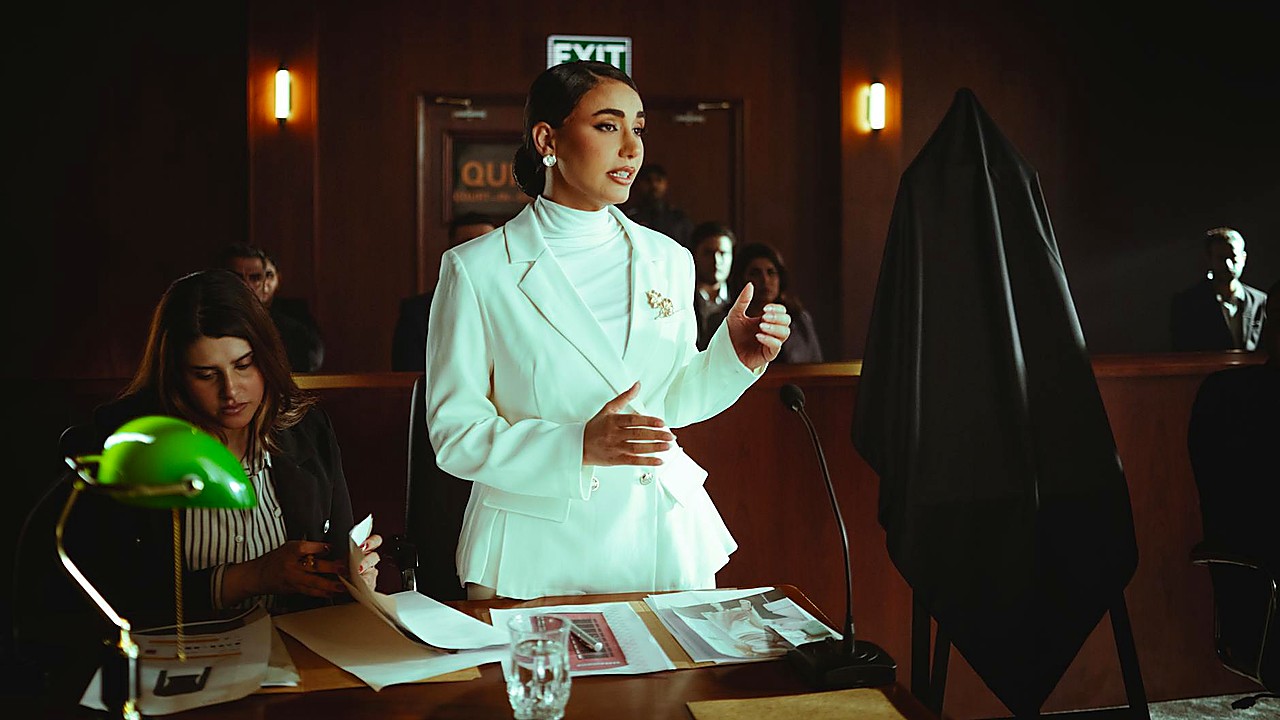
A jury has rejected Elon Musk’s lawsuit against OpenAI and its CEO Sam Altman, finding that Musk waited too long to bring his claims. The verdict ends a closely watched case that sought to hold OpenAI and Altman legally responsible for conduct Musk alleged violated earlier understandings tied to the company’s direction.
The decision came after jurors concluded Musk’s claims were barred because they were filed after the allowable time window. The suit had named OpenAI and Altman as defendants and drew broad attention because of Musk’s past ties to the organization and his high-profile criticism of its trajectory.
The case was tried before a jury, which returned its decision quickly, according to published reports. The jurors did not reach the substance of Musk’s allegations, instead resolving the case on the threshold issue of timeliness. That means the lawsuit was thrown out without a finding on whether OpenAI or Altman did what Musk alleged.
Musk, the billionaire behind Tesla and other companies, had framed the case as a major challenge to OpenAI’s leadership and structure. OpenAI, a prominent artificial intelligence company, has become a central player in the U.S. tech landscape, with its work and corporate governance closely scrutinized by industry rivals, regulators, and the public. Altman has remained a leading figure in the AI sector and a frequent voice in debates about the technology’s rapid development.
The jury’s ruling matters because it underscores how procedural rules can determine outcomes in high-stakes corporate disputes. Statutes of limitation and related filing deadlines are designed to ensure claims are brought while evidence is fresh and parties have a fair opportunity to defend themselves. When a case is dismissed on timing grounds, it can bring a swift end to litigation that might otherwise involve extensive discovery, executive testimony, and prolonged courtroom battles.
It also closes off, at least for now, a legal avenue that could have forced additional disclosures about OpenAI’s internal decisions and dealings. High-profile lawsuits involving major technology leaders often become vehicles for broader fights over control, governance, and the future direction of fast-moving industries. This verdict signals that, in this instance, those issues will not be litigated in front of a jury because the claims were not filed in time.
What happens next will depend on the post-verdict steps available to Musk’s legal team and the trial court’s final judgment reflecting the jury’s finding. Any effort to challenge the outcome would have to proceed through established court processes, including potential motions and appellate review, subject to the rules and deadlines that govern such actions.
For OpenAI and Altman, the verdict delivers a clear courtroom win and removes a major legal cloud from the company’s near-term outlook, with the jury’s message succinct: the case was brought too late.