Tankers Leave Strait Of Hormuz As Trump Signals Iran Deal Talks
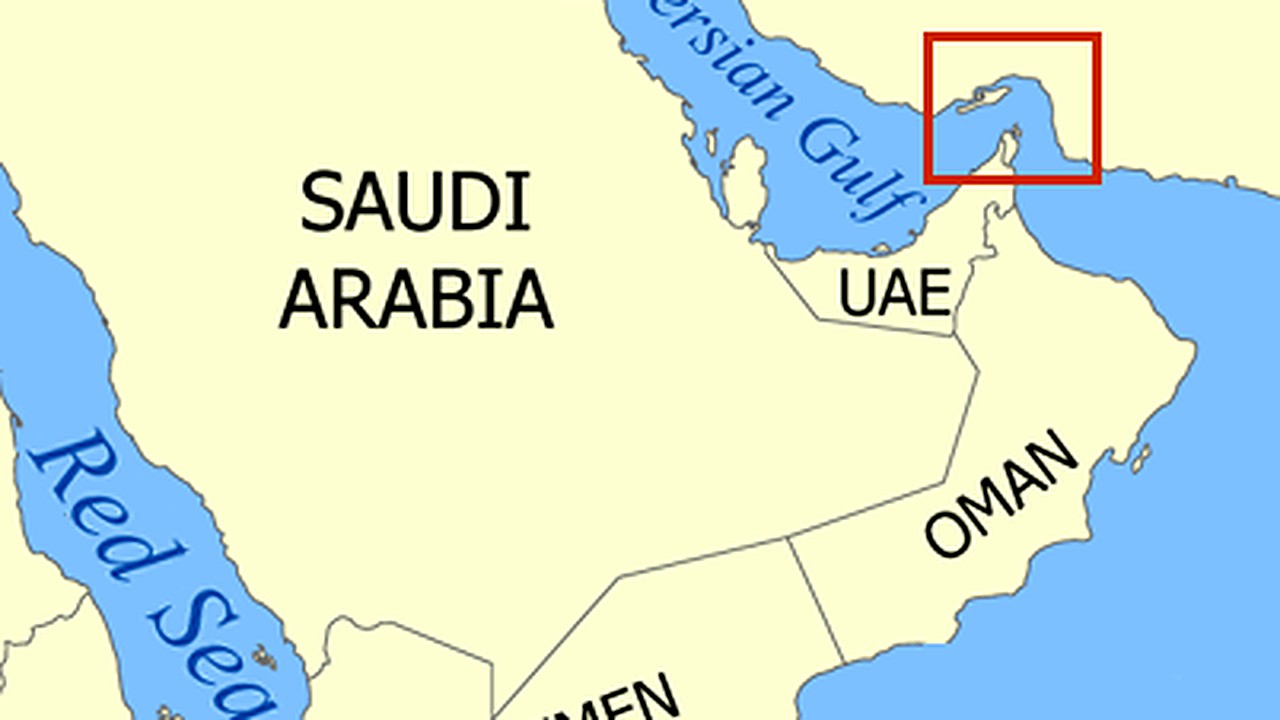
Oil tankers moved out of the Strait of Hormuz as former President Donald Trump and Sen. J.D. Vance publicly spoke about the prospects for an Iran deal, according to recent reporting.
The Strait of Hormuz is a critical shipping lane for global energy supplies, linking the Persian Gulf to the open ocean. Movements of commercial vessels through the waterway are closely watched because disruptions can affect crude oil and fuel markets worldwide.
The tanker departures came as Trump and Vance talked up the possibility of reaching an agreement with Iran. Their comments were aired publicly and circulated broadly, placing fresh attention on U.S.-Iran diplomacy and regional security at a time when the Middle East remains a central driver of market sensitivity.
In related developments, oil prices fell after Trump said the United States would end the Iran war “very quickly,” according to Reuters. The price reaction underscored how quickly energy markets can respond to political statements tied to conflict risk and de-escalation, even before any formal policy action is taken.
Separately, the U.S. Senate advanced a measure aimed at curbing Trump’s Iran war powers, according to Aaj English TV. That legislative step highlighted ongoing debate in Washington over the balance of authority between Congress and the executive branch when it comes to military action involving Iran.
Iran, meanwhile, warned the United States of “more surprises” if strikes resume, also according to Aaj English TV. The statement added to the already high stakes around future military decisions and the possibility of retaliation, which can affect both security calculations and commercial shipping behavior in the region.
International leaders also weighed in. Chinese President Xi Jinping called for an end to Middle East hostilities in talks with Russian President Vladimir Putin, according to Aaj English TV. The comments signaled continued attention from major powers to the risks of escalation and the broader geopolitical consequences of prolonged conflict.
The significance of tankers exiting Hormuz lies in what the strait represents to the global economy: a narrow, heavily trafficked corridor where military tensions can translate rapidly into higher insurance costs, altered shipping patterns, and volatility in oil and refined products. Even routine changes in vessel movements can draw scrutiny because the waterway is so central to energy trade.
What happens next will hinge on official decisions and verified actions, including any concrete diplomatic steps toward an Iran agreement and any changes in regional military posture. Markets and maritime stakeholders will continue monitoring traffic through Hormuz alongside statements from U.S. officials, Iranian authorities, and international partners.
For now, the movement of tankers and the renewed public focus on deal prospects have put the Strait of Hormuz and U.S.-Iran policy back at the center of global energy and security attention.