Trump Signs Executive Order Pressuring Banks On Citizenship Checks
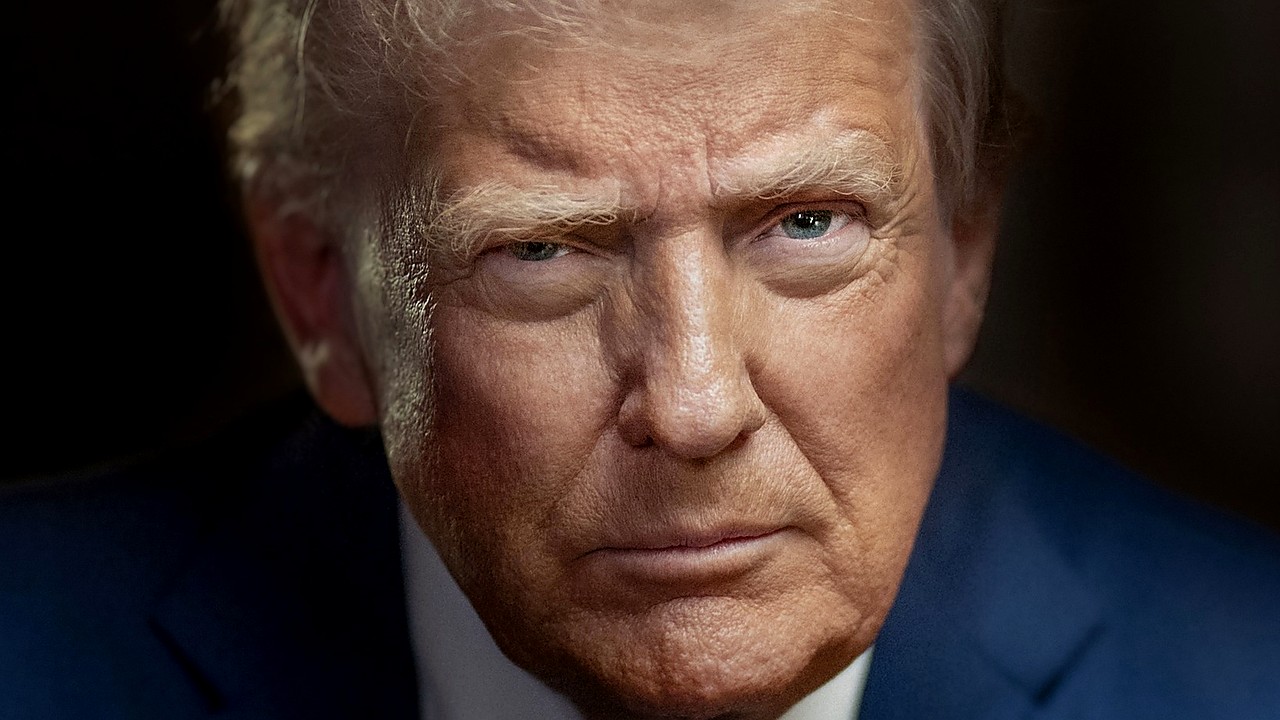
Former President Donald Trump has signed an executive order directing federal agencies to push banks to take a closer look at customers’ citizenship status as part of an immigration enforcement initiative, according to reports from The Wall Street Journal, The Associated Press and Reuters.
The order focuses on increased scrutiny tied to banking activity and customer information, with the administration framing the move as a step to strengthen immigration enforcement. The reports describe the directive as aimed at encouraging financial institutions to pay closer attention to indicators related to citizenship, rather than creating a new, blanket requirement for banks to collect citizenship documentation from all clients.
Details about how the order will be implemented vary across accounts, but multiple outlets reported the directive would stop short of imposing a universal mandate that banks gather citizenship information on every customer. Semafor reported the order would not require banks to collect citizenship information, and Yahoo Finance reported Trump backed down from that idea. At the same time, Reuters reported that non-citizens could face increased scrutiny in connection with banking activities under the order.
The development matters because banks sit at the center of the U.S. financial system and already operate under extensive anti-money-laundering and identity verification rules. Any federal push to incorporate citizenship-related checks into those processes could alter compliance practices, affect customer onboarding and account monitoring, and raise concerns among immigrant communities about access to financial services. It also adds a new front to broader debates over how immigration enforcement intersects with everyday systems, including employment, housing and banking.
The order also carries potential consequences for federal regulators and bank supervisors, who would be responsible for translating the directive into guidance, enforcement priorities or coordination across agencies. Banks typically build their policies around clear requirements, and uncertainty about what is expected can lead institutions to adopt more conservative approaches that increase documentation requests or account reviews.
Next steps will depend on what implementing actions federal agencies take following the order. Regulators may issue guidance or request information from banks, and financial institutions may adjust internal compliance programs in response. Industry groups and advocacy organizations are also likely to scrutinize the directive for its practical effects, including whether it changes how banks handle existing customers versus new applicants.
Any further shifts—such as additional executive actions, formal rulemaking, or changes in supervisory enforcement—would determine whether the order becomes a narrow directive limited to certain cases or a broader operational change across the banking sector.
For now, the executive order marks a new effort to tie immigration enforcement to financial oversight, setting up a period of close attention from regulators, banks and affected customers as the details take shape.