SpaceX Files Confidential IPO Paperwork With SEC
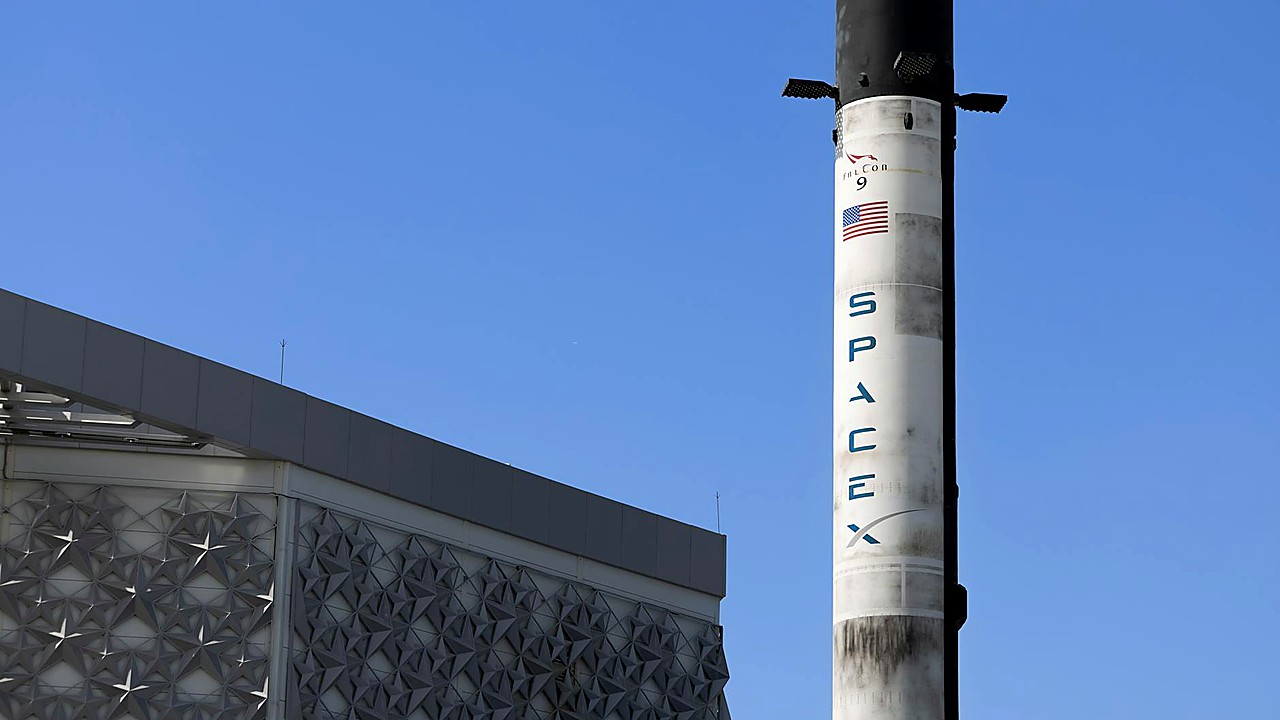
SpaceX has released its long-awaited initial public offering filing, laying out the rocket company’s financials and corporate structure as it prepares to seek a U.S. stock-market listing.
The filing, disclosed publicly and first reported by multiple outlets including Reuters, marks the first time SpaceX has made a broad set of financial details available in an IPO-style prospectus. The document also describes the company’s business lines and investment priorities, including continued spending on rockets and work tied to artificial intelligence, according to published accounts of the filing.
SpaceX, led by billionaire Elon Musk, is a privately held aerospace and space services company best known for its Falcon rockets and its Starlink satellite internet network. Musk’s role and control are addressed in the IPO document, Reuters reported, alongside disclosures that include losses. Other coverage, including The Wall Street Journal and The New York Times, said the filing provides a deeper look at SpaceX’s internal operations and finances than the company has previously shared publicly.
The IPO filing is a major milestone for one of the most valuable private companies in the United States and a central player in the commercial space industry. A public listing would represent a significant shift for SpaceX, which has raised money privately for years and has typically limited formal financial disclosure. The prospectus format requires detailed risk factors, governance information, and descriptions of the business that investors and regulators use to evaluate the offering.
The disclosure also puts fresh attention on the balance SpaceX is trying to strike between capital-intensive rocket development and other major initiatives. Reuters’ reporting noted the filing highlights future plans tied to AI, while other reports pointed to sizable spending plans. For investors, the document provides a clearer basis for assessing how the company funds its ambitions and how management plans to prioritize projects.
The filing matters beyond SpaceX itself because it would add a rare pure-play space company of enormous scale to public markets. It could also influence how other late-stage private companies approach transparency and fundraising, particularly those with large government and commercial relationships and major infrastructure costs.
What happens next will be shaped by the normal IPO process. SpaceX will move through regulatory review, update its filing as needed, and begin investor marketing steps required to complete an offering. Key decisions still ahead include the timing of the IPO, the size of the offering, and the price range at which shares would be sold, all of which are typically set closer to launch.
For now, the document puts Musk’s rocket maker in a new posture: no longer just a famously secretive private company, but one beginning the formal, public disclosures that precede an American stock-market debut.