Google Readies Smart Glasses With On-Device Gemini Assistant
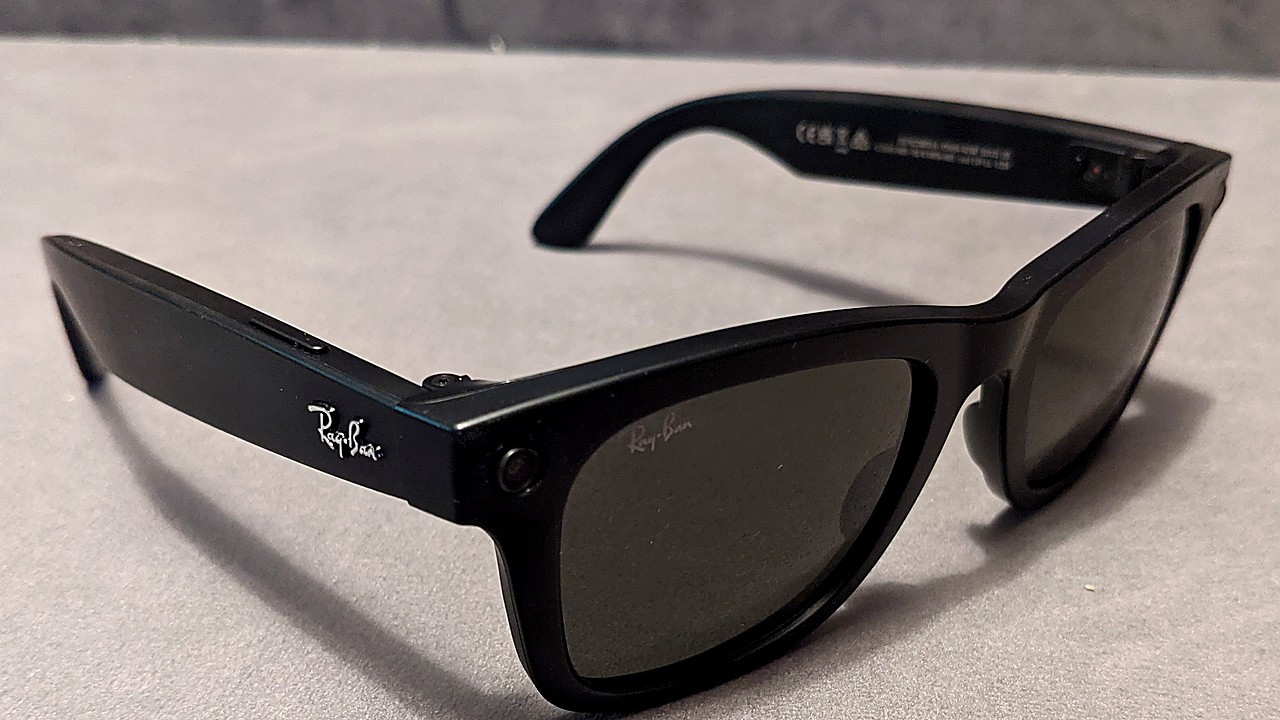
Google is planning a new pair of AI-powered smart glasses, marking its first smart-glasses release since the company’s earlier Google Glass effort. The forthcoming device is being framed as a direct competitor to Meta’s Ray-Ban smart glasses, with four new features positioned as key differentiators.
The plan has been outlined in recent reporting from multiple outlets, including BBC, BGR, Memeburn and Gizmodo. Those reports describe a Google smart-glasses product targeted at everyday use and designed around on-device and cloud-assisted AI experiences built on Gemini. The project would put Google back into a category it effectively exited after Google Glass, one of the most visible consumer-tech misfires of the last decade.
While details remain limited in the publicly reported information so far, the core picture is consistent: Google intends to re-enter the market with a modernized product that more directly matches what consumers have come to expect from smart eyewear in 2024 and beyond. Meta’s Ray-Ban collaboration has helped normalize the idea of camera-equipped glasses for photos, videos and hands-free assistance, and Google appears to be preparing an answer meant to outpace that baseline with four standout capabilities.
The development matters because it signals a shift in how Google wants people to access its AI services. Instead of treating Wear OS watches and phones as the primary front doors to Google Assistant-style features, the company is aligning its wearable strategy around glasses as the central device. Gizmodo’s framing underscores that approach, describing Wear OS watches as companions to smart glasses rather than the main event.
A competitive Google entry also raises the stakes in the fast-forming “AI you wear” market, where the hardware is less about apps and more about instant access to an assistant that can see and hear what you do. For Google, a successful return could expand Gemini’s reach beyond phones and computers and into daily, hands-free use cases. For consumers, it could mean more choice in a category currently dominated by a small number of recognizable products.
What happens next will depend on when Google chooses to formally unveil the device and how much of the plan it confirms. The BBC report characterizes the glasses as Google’s first since the Google Glass era, while other reporting points to a release window tied to the next cycle of AI hardware announcements. Until Google provides specifications, pricing and a launch date, the product remains in the stage of publicly discussed plans rather than a fully announced consumer release.
Even so, the direction is clear: Google is positioning smart glasses as a major platform for its AI future, and it’s preparing a head-to-head challenge to Meta’s Ray-Bans with a feature set meant to stand out.