Helion Raises $465M To Build Fusion Power Plant For Microsoft
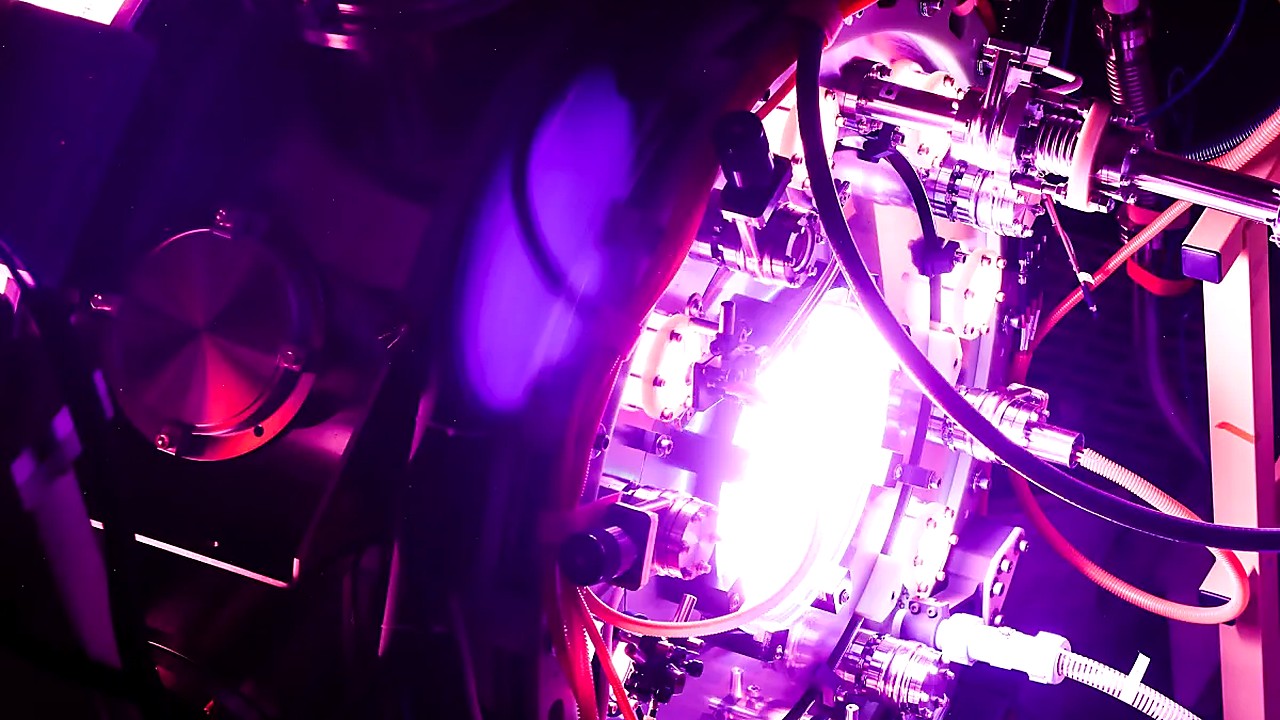
Helion, the fusion energy startup backed by Sam Altman, has raised $465 million as it works to build a power plant intended to supply electricity to Microsoft.
The financing positions Helion to advance from research and development toward building energy infrastructure, a step that few fusion companies have attempted at commercial scale. Helion and Microsoft have previously been linked through plans for a fusion-powered electricity arrangement, and the new funding is being tied to moving that effort forward.
Helion is a private company developing fusion technology, a long-sought approach to generating power by fusing atoms rather than splitting them. Microsoft is one of the world’s largest technology companies and a major electricity consumer, particularly as data centers expand. Sam Altman, a prominent Silicon Valley executive, is identified as a backer of Helion.
The $465 million raise is significant because it represents a large infusion of capital for a sector where timelines are long, technical uncertainty is high, and building a power plant requires substantial engineering and construction spending. For Helion, the funding is aimed at translating experimental work into a facility designed to produce usable electricity.
For Microsoft, the project matters because reliable, large-scale power supply is a central constraint on growth for cloud computing and AI services. A fusion power arrangement, if ultimately delivered, would represent a new category of energy procurement for a company that operates massive computing infrastructure and must plan power needs years in advance.
The announcement also underscores how leading technology firms are increasingly connecting their energy strategies to emerging generation technologies. Conventional renewable development, grid constraints, and long lead times for new power projects have pushed big buyers to explore a wider range of options, including advanced nuclear concepts. Helion’s plan to build a power plant specifically associated with a single corporate customer highlights how new energy ventures are seeking anchor counterparties.
What happens next is expected to center on detailed engineering, regulatory planning, and construction milestones associated with the power plant. Helion will need to convert its technical roadmap into a buildable project, while Microsoft will be watching for concrete progress that aligns with its long-term energy planning.
The $465 million round puts Helion among the best-capitalized fusion startups and marks a consequential step in the company’s effort to move from lab-stage technology toward an operational power plant tied to a major U.S. customer.