Qualcomm CEO Says AI Agents Will Replace Mobile Apps
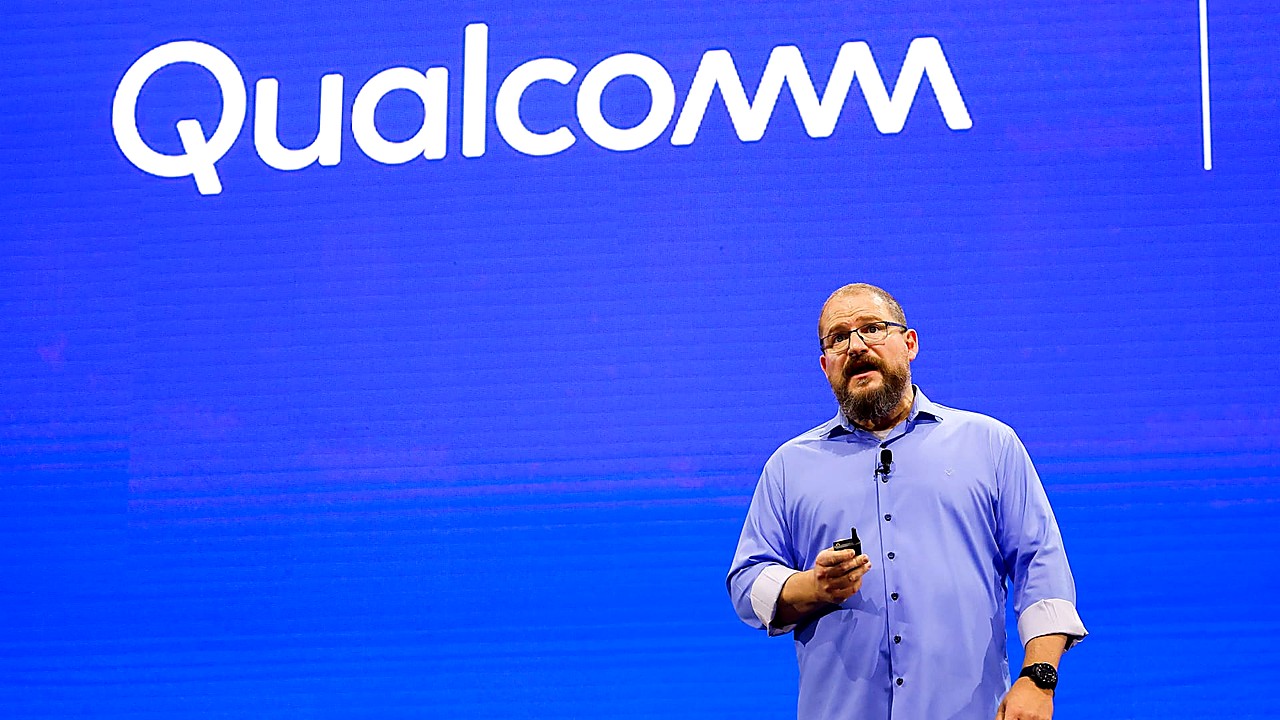
Qualcomm’s CEO said artificial intelligence “agents” are poised to replace traditional mobile apps, as the chipmaker works on more than 40 new AI-powered devices designed to run those systems.
The comments, reported by CNBC and other outlets, put Qualcomm’s strategy squarely on a shift from tapping icons to asking software to complete tasks on a user’s behalf. The company is positioning its chips and device partnerships around AI features that can operate directly on consumer hardware.
Qualcomm, whose processors are widely used in smartphones and other connected devices, is developing a pipeline of AI-focused products intended to support these agent-style experiences. The CEO described the effort as centered on “agents” that can handle actions typically performed through separate applications.
The company is working on more than 40 new AI devices, according to the CEO’s remarks cited in coverage. The device push is aimed at powering agent capabilities across multiple form factors, including smart glasses, as referenced in related reporting.
The development matters because it frames how one of the world’s most influential chip suppliers sees the next stage of consumer computing. If AI agents become a primary interface, the competitive battleground could move from app ecosystems toward hardware and on-device AI performance, where Qualcomm has long competed on power efficiency and mobile connectivity.
It also raises the stakes for device makers and software developers that have built businesses around individual apps. A shift toward agent-driven task completion could change how users discover services and how companies distribute and monetize software, with more emphasis on system-level AI experiences supported by specialized chips.
For Qualcomm, the bet reinforces a broader industry push to build AI features into everyday devices rather than relying solely on cloud computing. Agent-style software typically requires fast, efficient processing and careful power management—areas chipmakers target with new architectures and AI accelerators.
What comes next will be measured in products. Qualcomm’s near-term task is to turn the concept into shipping devices and clear use cases, backed by partners that build consumer hardware. The company’s progress will be seen in the rollout of the more than 40 AI-powered devices it has in development and how they implement agent capabilities in real-world scenarios.
As Qualcomm advances that slate of hardware, the CEO’s message is clear: the company is preparing for a future where people don’t open apps to get things done—devices do it for them.