U.S. Strikes Iranian Targets After Ship Hit In Strait Of Hormuz
The United States criticized Iran after a ship was hit in the Strait of Hormuz, escalating a new round of tensions in one of the world’s most strategic waterways. Iran responded by lashing out again at Gulf Arab states, sharpening regional rhetoric as questions remain about the incident and its fallout.
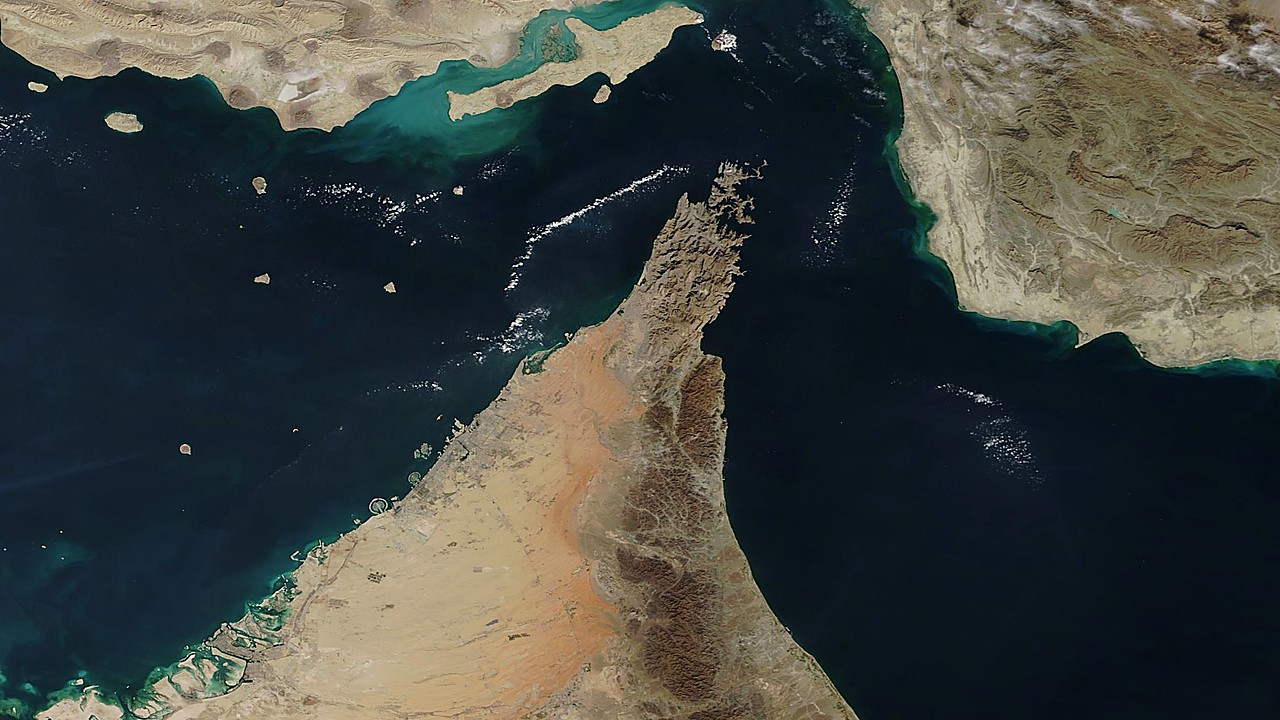
The development centers on an attack involving a vessel in the Strait of Hormuz, the narrow maritime corridor at the mouth of the Persian Gulf. U.S. officials directed their accusations at Iran in connection with the ship being hit, placing responsibility on Tehran as Washington weighed the broader security implications for commercial traffic and regional stability.
Iran pushed back and, in its latest response, aimed fresh criticism at Gulf Arab states. Tehran’s comments added a regional dimension to the dispute beyond the immediate U.S.-Iran exchange, underscoring how quickly maritime incidents in the strait can reverberate across neighboring capitals and alliances.
The Strait of Hormuz is a critical transit route for shipping, and any attack on a vessel there can raise immediate concerns among governments, insurers, shipping companies, and energy markets. Even when details are limited, an incident in the strait draws intense scrutiny because it sits at the intersection of global trade and long-running regional rivalries.
This moment matters because it highlights how rapidly a single maritime event can trigger diplomatic confrontation. The U.S. statement signaling blame toward Iran adds pressure at a time when the region already faces persistent security challenges. Iran’s renewed criticism of Gulf Arab states, meanwhile, risks widening the dispute and complicating efforts to keep tensions contained to words rather than action.
The episode also matters for the safety of crews and the continuity of commercial transit. The strait’s geography leaves little room for error, and heightened rhetoric can make routine passage more fraught, especially as countries assess risks and adjust postures in response to what they view as threats.
What happens next will depend on how U.S. officials pursue their accusations and how Iran chooses to respond diplomatically. Governments in the Gulf will also be watching closely, given Tehran’s renewed targeting of Gulf Arab states in its messaging. Any further statements, investigations, or official actions related to the ship being hit are likely to draw immediate international attention because of the location and stakes.
For now, the incident has reopened a familiar and volatile dynamic: a maritime strike in the Strait of Hormuz followed by U.S. condemnation, Iranian counterattacks in rhetoric, and a region bracing for the next move.