Nvidia Tops Estimates As AI Demand Lifts Quarterly Revenue
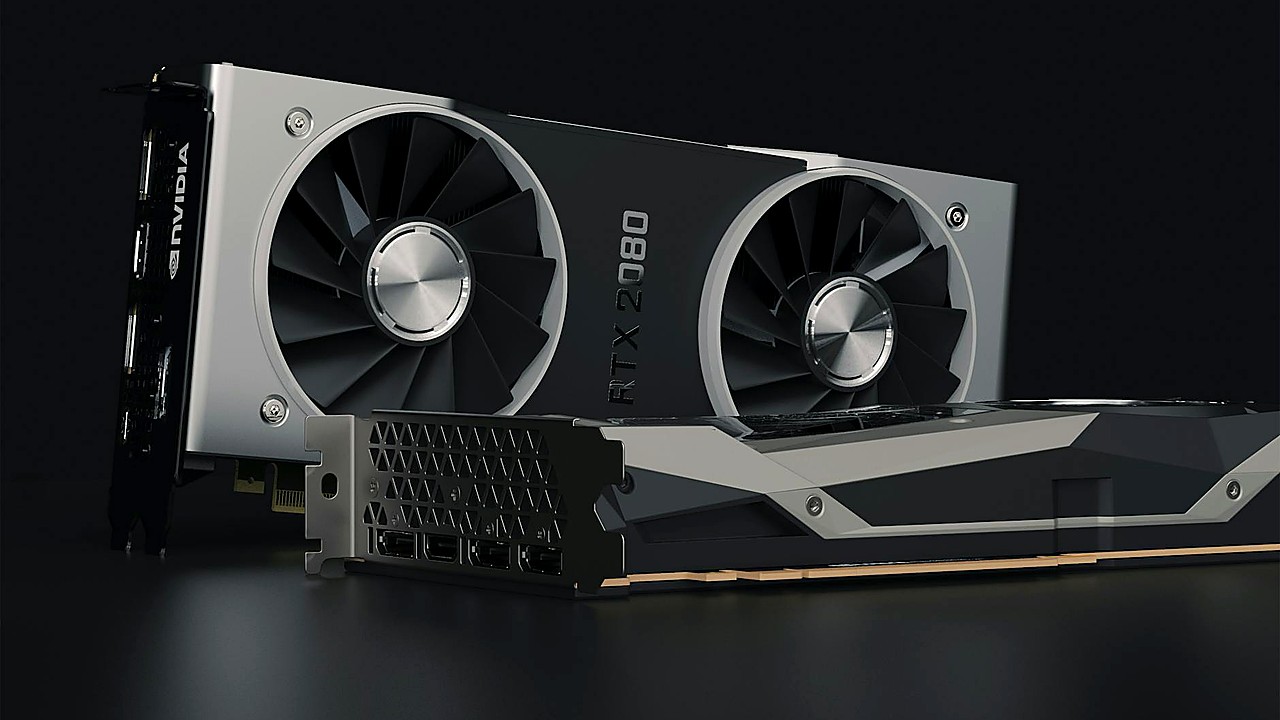
Nvidia reported another blowout quarter, topping Wall Street expectations as demand for its artificial intelligence chips drove a sharp jump in revenue. Even after the strong results and an upbeat outlook, the company’s shares slipped in trading.
The Silicon Valley chipmaker said revenue surged 85% from a year earlier, powered by continued spending on AI computing infrastructure. The company has become a central supplier to the AI boom, selling the graphics processing units and related systems used to train and run large-scale AI models.
Nvidia’s results again underscored how quickly the company has grown into one of the most consequential names in global markets. Its performance has been closely watched as a bellwether for broader corporate demand for AI hardware and for signs that big tech’s capital spending cycle remains intact.
The company also highlighted shareholder returns. Nvidia posted record first-quarter payouts and announced a $80 billion share buyback program, a move that can support earnings per share over time and signals confidence in its cash generation. Those steps add to the company’s narrative of rapid growth paired with expanding financial flexibility.
Despite the strong quarter, the stock moved lower, a reminder that expectations for Nvidia have risen alongside its outsized gains over the past year. In a market that has increasingly priced in continued AI-fueled acceleration, even results that beat forecasts can be met with a muted or negative reaction.
The latest report lands as investors continue to debate how durable the AI infrastructure buildout will be and which companies will ultimately capture the profits. Nvidia’s results reinforce the company’s position at the center of that spending, while also highlighting the high bar it must clear each quarter as it scales.
For customers, the numbers point to ongoing momentum in AI deployments across industries. For competitors and partners, they signal that Nvidia’s dominance in high-end AI chips remains a major force shaping pricing, supply, and product road maps across the semiconductor sector.
Next, investors will parse Nvidia’s guidance and commentary for details on the pace of AI chip shipments and the strength of demand from the largest cloud and enterprise buyers. Attention will also remain on the company’s capital return plans, including how quickly the buyback is executed and what that suggests about management’s view of valuation and cash flow.
Nvidia’s latest earnings show the AI boom is still translating into extraordinary growth, even as the market response proves that the company’s margin for surprise has never been smaller.