U.S. Airstrikes Hit Iranian Bridges Used For Regime Supply Lines
The United States has targeted Iranian bridges in an effort to disrupt key supply routes used by the Iranian regime, according to recent reports.
The action centers on transportation infrastructure inside Iran, with particular attention on bridges that serve as connective chokepoints for moving goods and matériel. One report described U.S. strikes aimed at bridges and roads in an Islamic Revolutionary Guard Corps-linked stronghold in Bandar Abbas, a major port city on Iran’s southern coast.
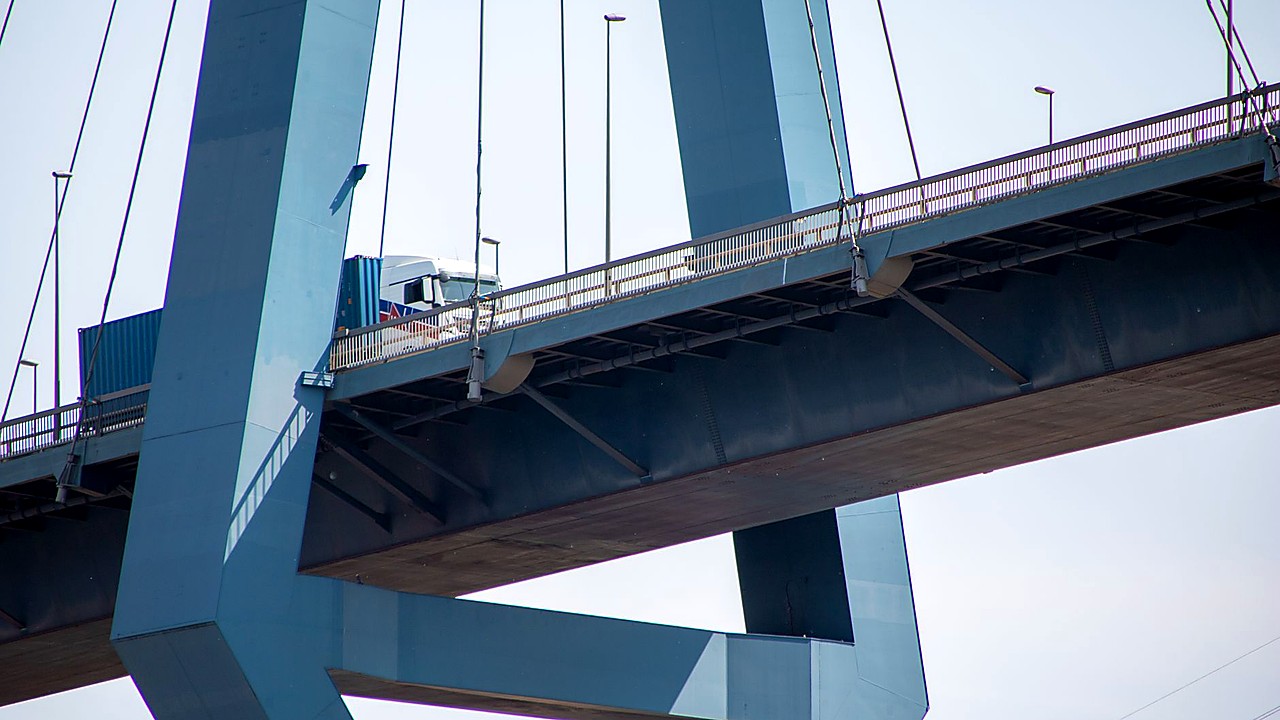
The reported focus on bridges underscores an approach that goes beyond targeting individual shipments. By hitting fixed infrastructure, U.S. forces can impede movement along established corridors that support Iran’s logistics networks. Bridges and major road links are difficult to replace quickly, and even limited damage can force rerouting, slow transit, and create bottlenecks.
The development matters because supply lines are central to how states sustain military and security operations and how they project influence beyond their borders. Any disruption to internal transport routes can have cascading effects, including delays in moving equipment, challenges in supplying outlying areas, and complications for organizations that depend on steady overland movement.
The attention to chokepoints also comes as separate reporting has highlighted Iran’s interest in maintaining an “air bridge” to Yemen, reflecting broader regional logistics concerns. Taken together, the reports point to the importance of transportation corridors—by road, sea, and air—in regional competition and security planning.
U.S. actions targeting infrastructure inside Iran carry heightened sensitivity because they touch sovereign territory and risk broader escalation dynamics, even when narrowly aimed at logistics. They also raise operational questions about durability: bridges can sometimes be repaired, temporary crossings can be built, and traffic can be diverted to alternate routes, depending on geography and resources.
What happens next will depend on follow-on assessments of damage and the degree to which traffic can be rerouted or restored. If key bridges are out of service for an extended period, supply routes may shift to other corridors, potentially increasing congestion and creating new chokepoints.
Further developments could include additional actions focused on transportation links, as well as responses by Iranian authorities to reestablish mobility and protect routes viewed as critical. The situation is likely to be tracked closely because changes in logistics patterns can influence the pace and scope of broader security activity.
For now, the reported targeting of bridges marks a pointed effort to constrain movement along Iran’s internal supply network, signaling that infrastructure itself has become a central focus of pressure.