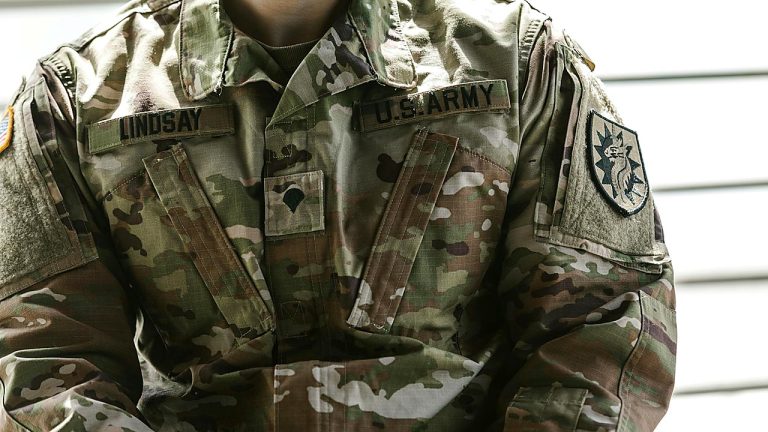
US Expands Iran Strikes After U.S. Troops Killed In Attacks
U.S. airstrikes on Iran have expanded in scope as American troops have been killed and Tehran has retaliated against Gulf states, signaling a widening and more volatile phase of the conflict.
The developments were reported in multiple U.S. news accounts describing an intensifying U.S. bombing campaign, fatalities among American forces, and Iranian actions aimed at countries across the Gulf. The reporting indicates that Iran’s response has moved beyond direct friction with the United States to include retaliation involving regional neighbors.
The reports describe a sequence in which the U.S. bombing of Iran broadened and was followed by further escalation after U.S. troop deaths. They also describe Tehran retaliating against Gulf states, a step that raises the stakes for U.S. partners in the region and adds pressure on security arrangements that underpin energy production and shipping lanes.
The expansion of U.S. strikes and the reported deaths of American troops are a major inflection point, increasing the likelihood of sustained military operations and the potential for further clashes. U.S. troop fatalities can harden domestic and military positions, complicate diplomatic off-ramps, and shape the pace and breadth of additional deployments, force protection measures, and target selection.
Iran’s reported retaliation against Gulf states matters because it extends risk across the region, potentially drawing additional governments into the crisis. Gulf states host critical infrastructure, including facilities tied to energy exports and transportation, and any sustained retaliation could place regional security forces on higher alert and prompt additional defensive coordination with the United States and other partners.
The latest reports also underscore how quickly a conflict centered on U.S.-Iran confrontation can spill into broader regional dynamics. When Gulf states are targeted or otherwise caught up in retaliatory actions, the number of actors with immediate security concerns expands, and the potential consequences multiply.
What happens next will depend on decisions by U.S. military and civilian leaders on whether to further broaden operations, adjust force posture, or pursue diplomatic engagement alongside military action. Regional governments are also likely to reassess security precautions and coordination as they respond to Iranian retaliation and manage the risk of further attacks.
With U.S. bombing operations expanding, American troops reported killed, and Iran retaliating against Gulf states, the conflict is entering a phase where containment becomes more difficult and the pressure for rapid decisions increases.