AI Stock Rally Stalls As Gaza Ceasefire Talks Near Collapse
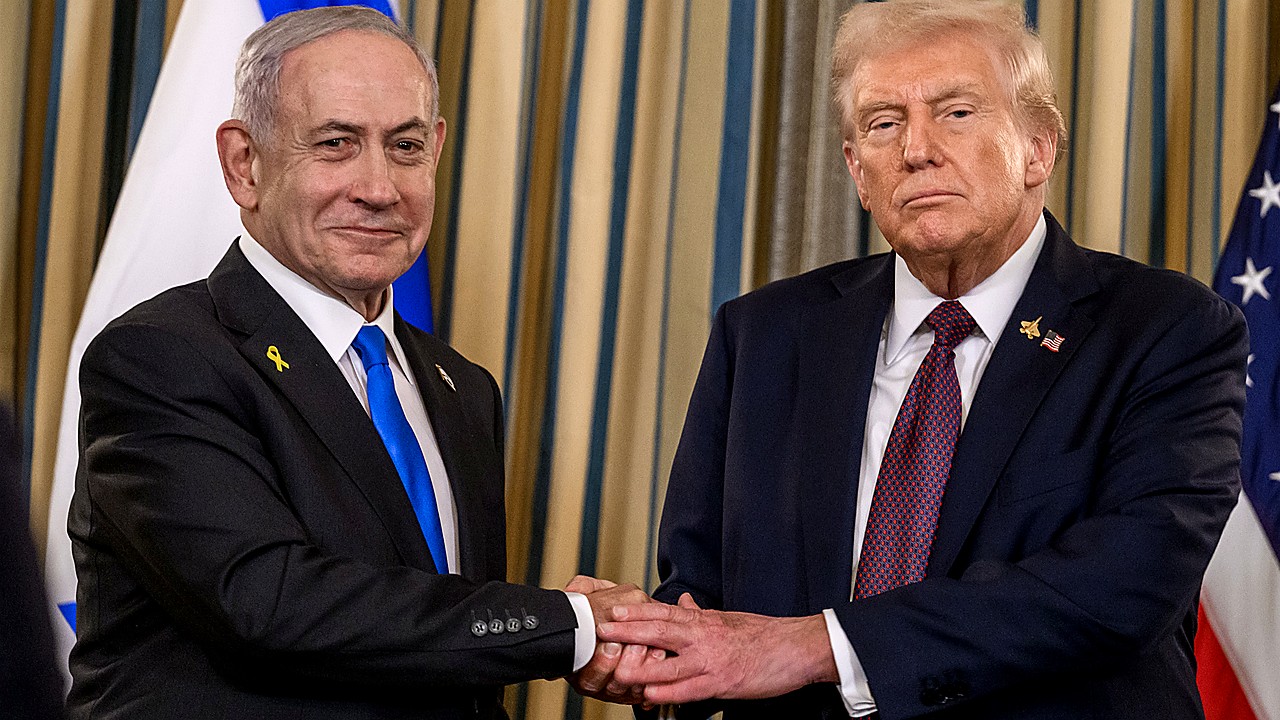
A powerful run in artificial intelligence-linked stocks paused as investors weighed renewed uncertainty in the Middle East and signs a ceasefire was faltering, described by one account as being on “life support.” The shift cooled some of the market’s most crowded trades even as broader U.S. equities showed resilience.
The latest move came as attention returned to geopolitical risk after a period in which enthusiasm for AI-related earnings and investment drove market leadership. Recent market coverage showed Wall Street edging to a higher close with AI fervor helping offset the overhang from an Iran-related impasse, underscoring how quickly sentiment can rotate between technology optimism and international tensions.
The development centered on two competing forces. On one side was continued appetite for companies tied to artificial intelligence, which has been a dominant theme for U.S. stocks. On the other was concern that a fragile ceasefire in the Middle East could break down, raising the prospect of broader instability and heightened risk aversion across global markets.
That tension was reflected across a wider set of assets and headlines. Commodity markets were also in focus, with wheat prices extending gains as poor weather worsened U.S. crop conditions, adding another macro variable for investors monitoring inflation-sensitive inputs. Separate reporting highlighted a range of international stories, including a public appearance by Barcelona soccer player Lamine Yamal during a parade where he waved a Palestinian flag, and a Reuters item on para-cyclists competing in African championships.
In corporate news touching the AI ecosystem, The Information reported that OpenAI and Microsoft agreed to cap revenue-sharing at $38 billion. While details beyond the reported cap were not provided in the summary, the headline underscored the high stakes and large financial structures underpinning the AI buildout across the tech sector.
The pause in the AI rally matters because the group has been a key driver of market performance and investor confidence. When leadership stocks hesitate, it can signal a broader reassessment of risk, even if major indexes remain steady. It also highlights the market’s sensitivity to external shocks: geopolitical developments can quickly influence positioning, volatility expectations, and demand for safer assets.
What happens next will depend on incoming signals from both arenas. Investors will be watching for clearer indications about the status of the Middle East ceasefire and whether tensions ease or intensify. At the same time, attention will remain on AI-related company updates and the business relationships that shape investment in the sector, including major partnerships and revenue-sharing arrangements.
For now, the market is balancing a dominant technology narrative with renewed geopolitical uncertainty, and that push and pull is dictating the tone of trading day by day.