Chevron, Iraq Weigh Syria Pipeline To Bypass Strait Of Hormuz
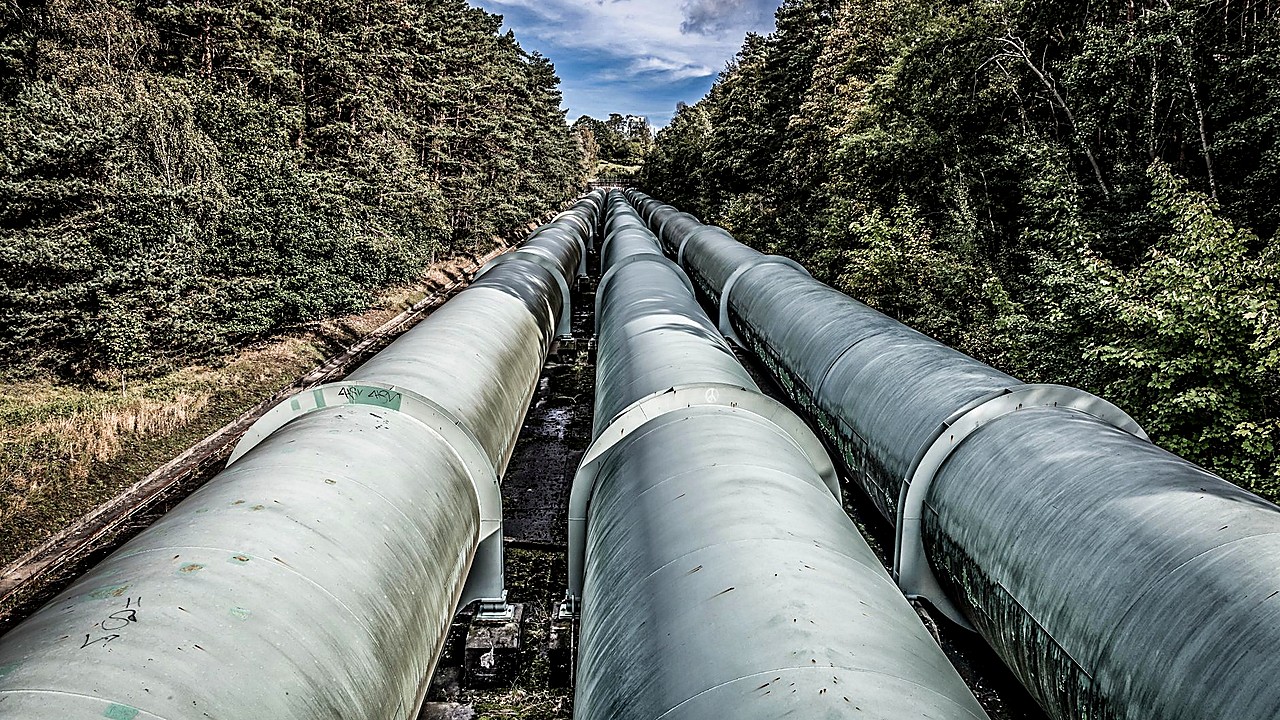
Chevron and Iraq are exploring a plan to move Iraqi crude to the Mediterranean through Syria, a route intended to avoid reliance on the Strait of Hormuz, according to recent reports.
The discussions center on reviving or developing an Iraq-to-Syria oil pipeline that would carry crude from Iraq toward Syria’s Mediterranean coast. Reports describing the effort have linked it to the long-discussed Kirkuk-to-Baniyas corridor, which would offer a western export outlet instead of routing shipments through the Gulf.
Chevron is described as an active participant in the talks with Iraqi counterparts on the pipeline concept and on broader Iraqi oil expansion. The proposed route would run from Iraq across Syrian territory to a coastal terminal, where oil could be loaded for seaborne transport without passing through the Strait of Hormuz.
The initiative is drawing attention because the Strait of Hormuz is a narrow maritime chokepoint for global energy shipments. A pipeline alternative would give Iraq another export path and potentially reduce exposure to disruptions or constraints in the Gulf. For Chevron, the project would align with efforts to deepen involvement in Iraq’s upstream sector while tying production growth to a new outlet for exports.
Separately, multiple reports say the United States supports an Iraq-Syria pipeline option designed to bypass Hormuz. Those accounts frame the project as part of broader efforts to develop alternative routes for regional oil flows, particularly for Iraqi barrels.
Any new or revived cross-border pipeline would carry significant operational and diplomatic weight. Building and operating an export line through Syria would require agreements on routing, security, and management, as well as coordination among governments and commercial partners. It would also be tied closely to Iraq’s ability to sustain production levels that justify major midstream investment.
The next steps, as described in the recent coverage, involve further technical and commercial evaluation of the route and its feasibility, alongside continued discussions among the parties involved. Additional decisions would be needed on project structure, financing, timelines, and the legal framework for cross-border operations and export arrangements.
For Iraq, the talks underscore an effort to add flexibility to its export system by developing an outlet beyond the Gulf. For Chevron, they signal a potential role in shaping infrastructure tied to future Iraqi production growth. The proposal is now in an exploratory phase, with further assessments and negotiations expected before any final commitments.