Dallas Fed President Logan Backs Modestly Higher Interest Rates
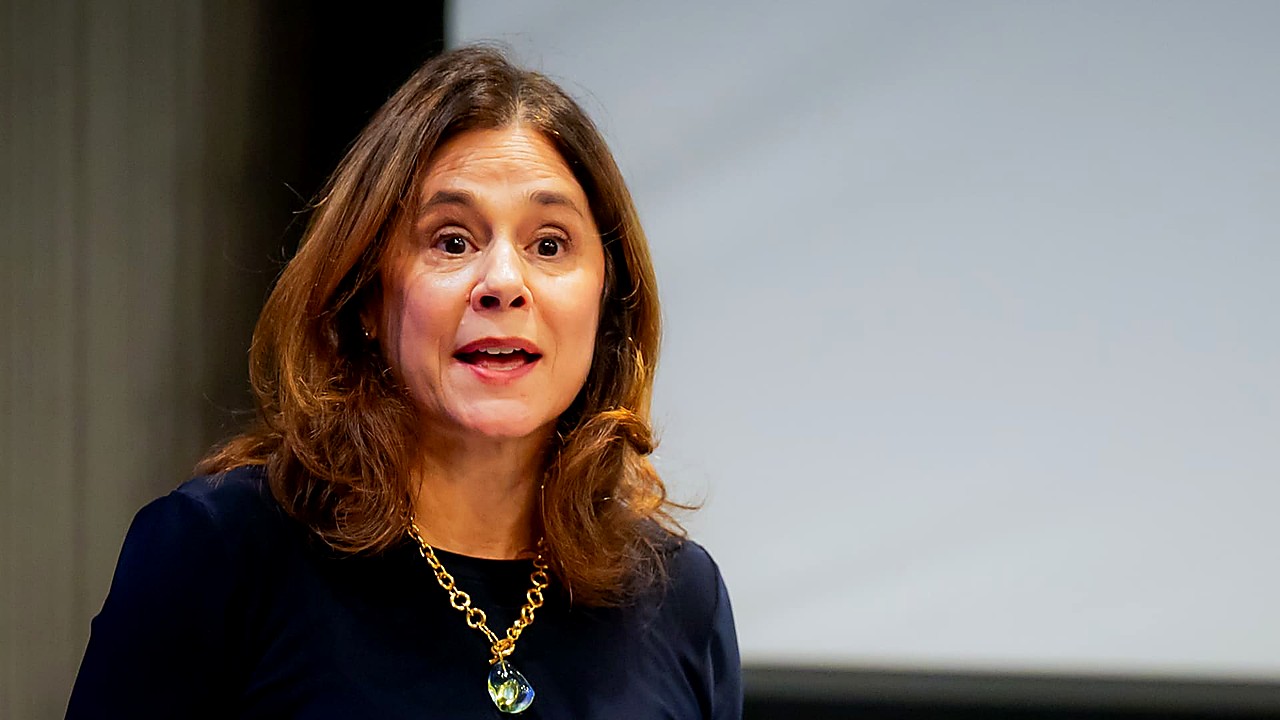
Dallas Federal Reserve President Lorie Logan said policymakers may need to set interest rates “modestly” higher to bring inflation down to the central bank’s 2% goal, signaling a more hawkish stance as the Fed weighs its next move.
Logan made the comments in prepared remarks focused on inflation, employment and monetary policy, according to the Federal Reserve Bank of Dallas. She is the president of the Dallas Fed, one of the 12 regional Reserve Banks that help set monetary policy through participation on the Federal Open Market Committee.
In her remarks, Logan addressed the balance between cooling inflation and sustaining a strong labor market, a core focus for the Fed as it calibrates policy settings. Her call for “modestly” higher rates points to the possibility that current policy may not yet be restrictive enough to return inflation to target on a sustained basis.
The development matters because Fed communication can shape expectations for borrowing costs across the economy. Even subtle shifts in tone from policymakers can influence how investors, businesses and consumers view the trajectory of rates, affecting everything from mortgage costs and auto loans to corporate financing and hiring plans.
It also matters within the Fed itself. Regional bank presidents provide on-the-ground perspectives and contribute to the policy debate, and Logan’s comments add to the range of views that will be considered as officials assess incoming data on inflation and employment.
Logan’s remarks come as attention turns to the Fed’s upcoming meeting, where officials will decide whether to adjust the benchmark federal funds rate. Policymakers have repeatedly emphasized that decisions will depend on how the data evolve and whether inflation is moving convincingly toward 2%.
What happens next will be driven by the Fed’s deliberations and the public signals officials provide ahead of the meeting. Investors and economists will parse further speeches and interviews from Fed leaders, along with any updated economic projections and the chair’s news conference after the policy decision.
For households and businesses, the next steps will be reflected in how financial conditions respond to the Fed’s message. If officials broadly align with the view that rates need to move higher, lenders and markets could incorporate that expectation into pricing, influencing credit availability and costs in the near term.
Logan’s call for “modestly” higher rates underscores that the fight to return inflation to 2% remains central to the Fed’s policy outlook.