EU Rejects Trump Call For Troop Deployments In Hormuz Strait
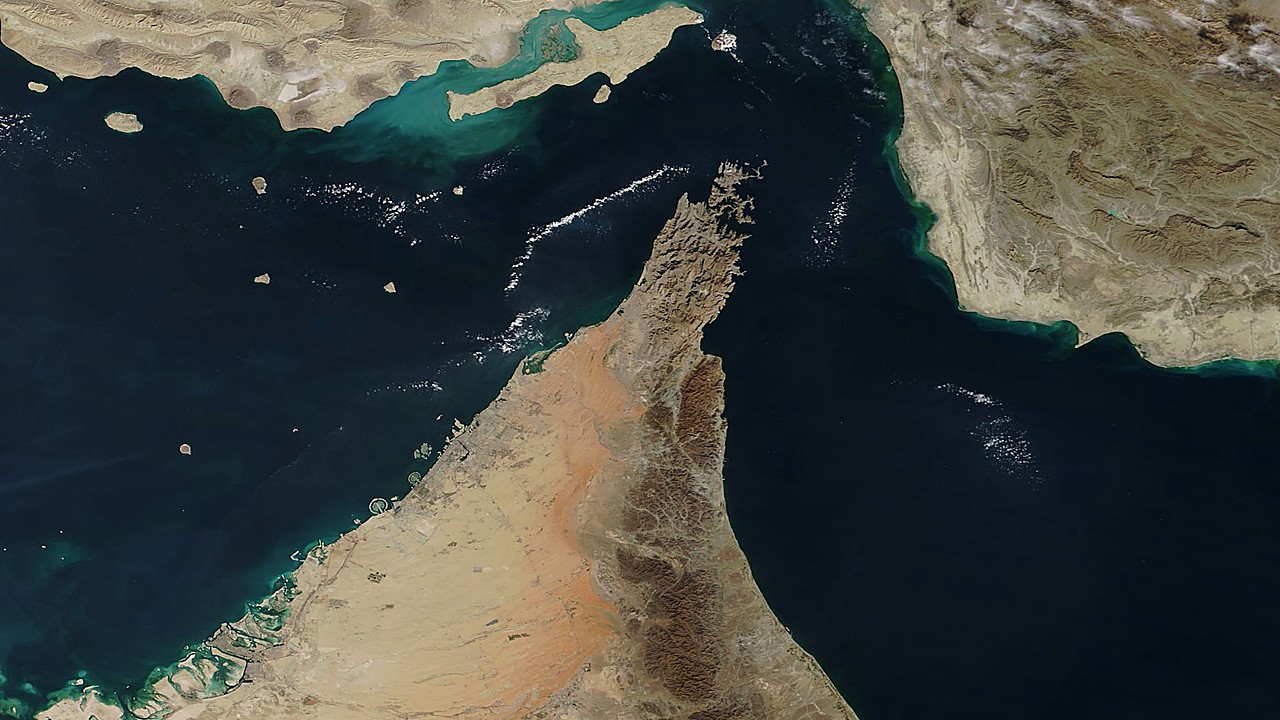
European Union leaders have rejected President Donald Trump’s calls for military deployments aimed at reopening the Strait of Hormuz, declining to commit European warships or other forces to a new security mission in the strategic waterway.
The decision came as U.S. officials sought support from allies for maritime operations in and around the Strait of Hormuz, a narrow passage used by global shipping and long viewed as a potential flashpoint during periods of heightened Middle East tensions. European officials, speaking through EU channels and national governments, made clear they would not join a U.S.-led push for naval escorts or expanded military involvement.
The Strait of Hormuz sits between the Persian Gulf and the Gulf of Oman, making it a critical transit route for commercial vessels. In recent days, Trump has publicly urged partners to help “reopen” the corridor and pressed for outside powers, including NATO members, to take a larger role in policing the area. European leaders, according to multiple reports, have declined those requests.
The refusal underscores the limits of U.S. leverage with key partners at a moment when Washington is seeking a broader coalition for security operations in the region. It also highlights a familiar transatlantic divide over the use of military power, with European governments signaling reluctance to join what could be seen as an escalatory move in an already volatile environment.
European officials have not announced a unified alternative plan to the U.S. proposal. Some governments have emphasized the importance of protecting freedom of navigation and commercial shipping, while stopping short of committing forces to a new operation. The overall EU stance, as described in the reports, is that European militaries will not deploy warships simply to meet the U.S. demand.
The development matters because the Strait of Hormuz is central to international trade routes, and any sustained disruption has immediate implications for commercial shipping schedules, insurance costs, and broader economic stability. A coordinated multinational naval presence is one way governments have historically sought to deter attacks or interference, but coalition-building depends on political support that is not currently in place among U.S. partners in Europe.
The rejection also raises practical questions for Washington about how it would carry out any expanded maritime security effort without allied participation. If European navies do not join, the U.S. would likely have to rely more heavily on its own assets and on support from a smaller set of partners, potentially complicating logistics and command arrangements for any mission intended to protect or escort civilian vessels.
What happens next will depend on whether the administration revises its request, pursues narrower agreements with individual countries, or shifts toward diplomatic channels rather than additional deployments. European governments, meanwhile, will face pressure from shipping interests and domestic constituencies to explain how they intend to safeguard commercial traffic without joining a U.S.-backed operation.
For now, Europe’s message to Washington is clear: it is not signing on to Trump’s call for military deployments to reopen the Strait of Hormuz.