Gasoline Prices Near $5 As Strait Of Hormuz Closure Drags On
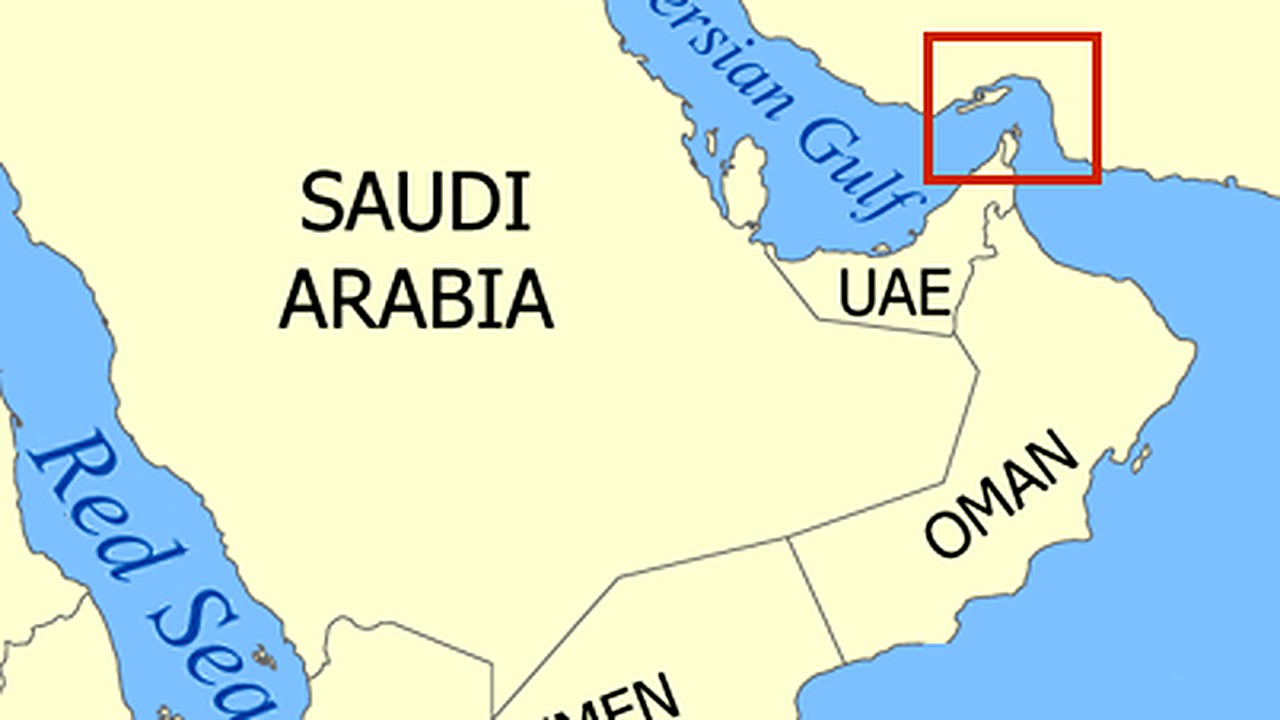
U.S. gasoline prices are climbing toward $5 a gallon as the Strait of Hormuz remains closed, adding fresh pressure to drivers and businesses and pushing fuel costs higher across the country.
The increase comes amid continued disruption to a critical global shipping corridor. With the strait still closed, the flow of energy supplies through the region remains constrained, contributing to higher costs that filter through the oil market and into prices paid at the pump in the United States.
The impact is being felt unevenly. In California’s Bay Area, some stations have posted prices nearing $8 a gallon, a level that has frustrated drivers as daily commutes and routine errands become more expensive. Reports of sharply higher prices in that region underscore how quickly localized markets can move when wholesale costs rise and inventories tighten.
Nationally, the move toward $5 gasoline is significant because it touches nearly every part of the economy. Families face higher transportation bills, while companies that move goods by truck or rely on vehicle fleets can see costs rise quickly. Higher fuel prices can also affect air travel and delivery services, adding broader inflation pressures even for consumers who drive less.
The latest jump arrives as consumers were already watching fuel costs closely heading into the summer driving season. For many households, gasoline is one of the most frequent out-of-pocket purchases, making price increases immediately visible and difficult to avoid.
The surge is also feeding into a renewed debate over alternatives to gasoline-powered vehicles. With pump prices high, drivers are again weighing whether switching to an electric vehicle would reduce monthly costs, though the savings can vary widely depending on electricity rates, driving habits, financing terms, and access to charging.
For now, motorists looking to limit the damage are being pushed toward short-term tactics rather than big decisions. Recent reporting has highlighted efforts to find cheaper gas by shopping across stations and neighborhoods, an approach that can matter more when prices are rising quickly and spreads between retailers widen.
What happens next will depend on how long the Strait of Hormuz remains closed and how markets and suppliers respond to the ongoing disruption. Continued constraints could keep pressure on wholesale fuel costs and sustain elevated pump prices, while any change in access through the corridor would be closely watched for its effect on global energy flows.
In the near term, drivers should expect more volatility at the pump, with the steepest pain likely concentrated in high-cost regions already seeing extreme prices. If the closure persists, the run-up toward $5 nationally may become a reality for more Americans, turning what is now a warning sign into a day-to-day financial strain.