GM, Lockheed Martin Announce Joint Defense Manufacturing Pact
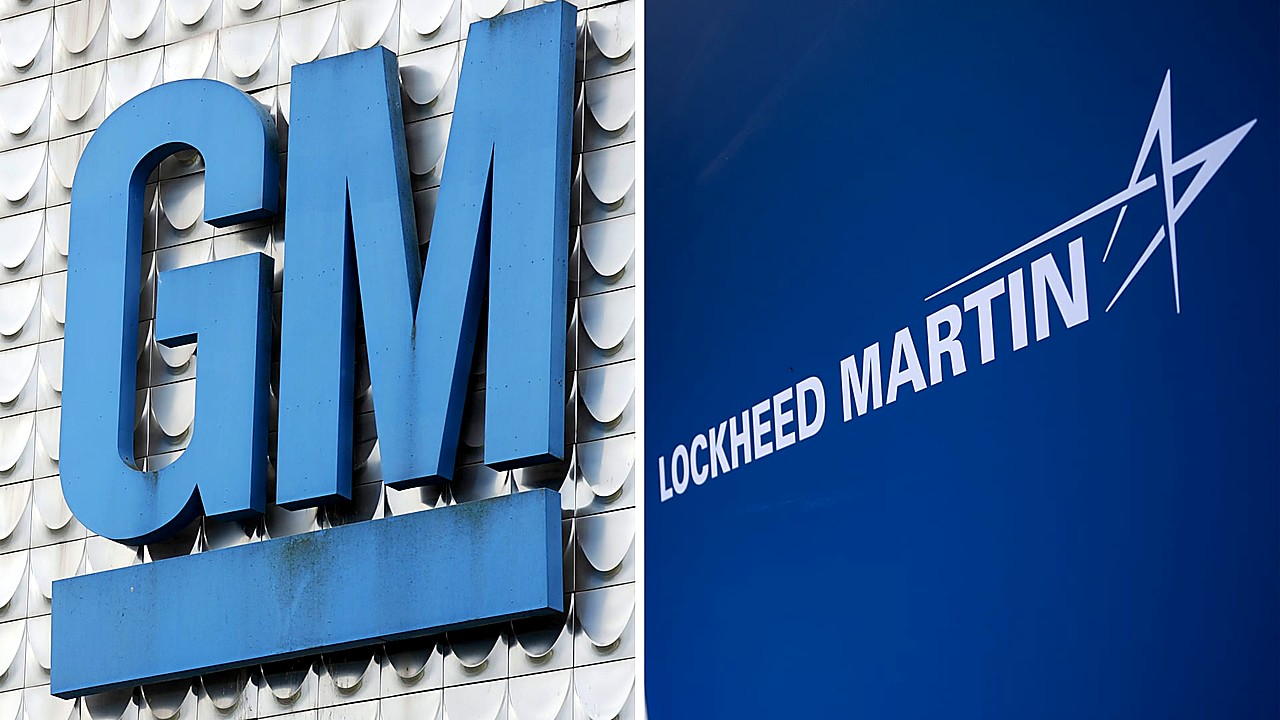
General Motors has announced a new defense partnership with Lockheed Martin aimed at helping expand and accelerate U.S. defense production, marking a significant move by the automaker into military-related manufacturing work.
The partnership brings together GM and Lockheed Martin, one of the nation’s largest defense contractors, with discussions and reports centered on GM supplying parts used in weapons systems. Recent coverage has described the initiative as an effort to speed defense production by leveraging GM’s manufacturing scale and experience.
The announcement places GM alongside a growing list of auto and industrial companies looking to apply high-volume manufacturing capabilities to defense needs. It also signals a closer connection between the commercial automotive supply base and U.S. defense programs, as companies look for ways to shorten production timelines and increase output.
For GM, the partnership represents a strategic expansion beyond passenger vehicles and commercial products into defense manufacturing. For Lockheed Martin, working with a major automaker could broaden its supplier options and potentially provide additional capacity for parts production, depending on how the partnership is structured and what work is ultimately awarded.
The development matters because U.S. defense production capacity has become a focus across industry and government, with contractors and suppliers under pressure to deliver systems and components on tighter schedules. Bringing in a manufacturing heavyweight like GM could support efforts to increase throughput, especially for standardized components that can be produced efficiently in an automotive-style environment.
The announcement also highlights how defense contracting continues to draw interest from firms outside the traditional defense industrial base. As defense spending rises and demand for equipment grows, companies with advanced manufacturing, logistics, and quality-control systems are increasingly being evaluated for work that can be shifted or shared.
Details on the specific products, facilities, and contract terms were not provided in the context available. Reports have described GM as being in talks to supply weapons parts to Lockheed Martin, suggesting the partnership may involve components rather than full systems.
What happens next will depend on how the partnership is formalized and whether it results in specific production awards, supplier qualifications, or manufacturing line commitments. Any parts work tied to defense programs typically requires extensive compliance, security, and quality certifications, as well as coordination across a multilevel supply chain.
GM and Lockheed Martin’s next steps are expected to include defining scope, timelines, and production responsibilities, along with any necessary approvals and contracting processes.
The partnership underscores the push to broaden American defense manufacturing capacity by drawing on commercial-scale production expertise.