Google Unveils Screenless Fitbit Air, Shifts Wearables Strategy
Google has unveiled a new screenless fitness wearable called the Fitbit Air and announced a new Google Health app that will replace the Fitbit app, marking a major shift in how the company packages its consumer health products.
The announcements were made in an “Introducing the all-new Fitbit Air” post on blog.google and were covered by multiple outlets, including Ars Technica, TechCrunch, 9to5Google, MobileSyrup, Yahoo Tech, and Android Authority. Those reports describe the Fitbit Air as a Whoop-like tracker designed to be worn without a display, focusing on passive tracking rather than on-device readouts.
Pricing reported by Yahoo Tech puts the Fitbit Air at $100. The product name and the move away from a screen place it in a growing category of wearables that prioritize comfort, battery life, and background data collection over notifications and on-wrist interaction.
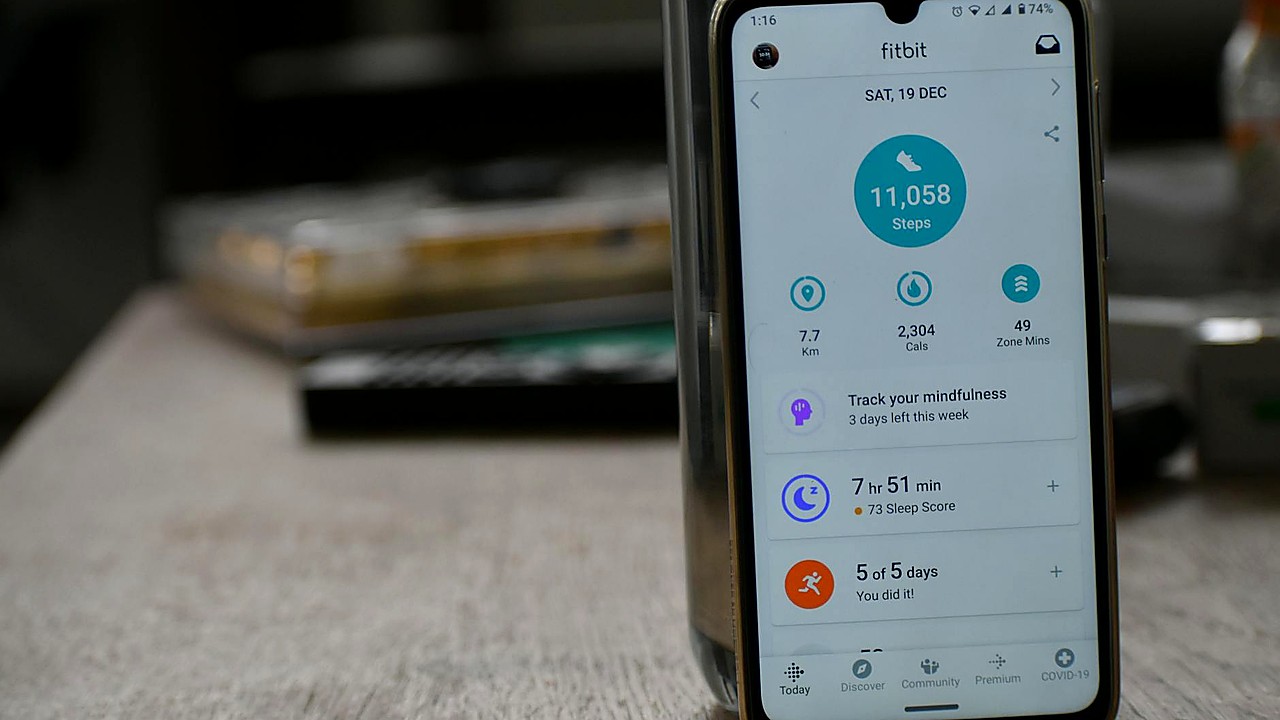
Alongside the device, Google is rolling out the Google Health app as a replacement for the existing Fitbit app. 9to5Google reported that the transition includes a new “Premium” plan and that it joins an “AI Pro” tier, signaling changes to how Google intends to bundle features and subscriptions across its health and fitness ecosystem.
This development matters because Fitbit’s app has long been the center of the platform, handling account management, dashboards, coaching features, and integrations. Replacing it with Google Health is a clear rebranding and consolidation move that could reshape the user experience for current Fitbit customers, including how data is presented and where features live.
The device strategy is also notable. A screenless tracker changes how users interact with their wearable day to day, pushing more of the experience onto the companion app. That makes the Google Health app not just a replacement, but the primary interface for users who choose Fitbit Air.
For Google, the Fitbit Air and Google Health pairing suggests an effort to modernize the lineup and align its health products under a single Google identity rather than keeping Fitbit as the dominant front-end brand. It also positions the company more directly against other minimalist trackers already popular with fitness-focused users.
What happens next will hinge on how the app transition is handled for existing Fitbit users and how quickly the new Google Health app becomes the default destination for setup, syncing, and insights. Consumers will also be watching for details on availability timelines, supported devices, and how subscriptions are structured as the new plans roll out.
For now, the headline is straightforward: Google is introducing a screenless Fitbit Air and moving the Fitbit app experience into a new Google Health app, setting up a new chapter for its consumer fitness business.