How to Maintain Your Home’s Plumbing System to Prevent Costly Repairs
How to Maintain Your Home’s Plumbing System to Prevent Costly Repairs
Maintaining your home’s plumbing system is essential to ensure everything runs smoothly and to avoid unexpected and costly repairs. While many homeowners might only think about plumbing when there’s a problem, regular maintenance can extend the life of your pipes, fixtures, and appliances. In this guide, we’ll take you through practical steps to keep your plumbing in top shape and help prevent expensive issues down the road.
Why Plumbing Maintenance is Important
Plumbing is one of the most critical systems in your home. It delivers clean water for drinking, cooking, and cleaning, and carries waste safely away from your living spaces. When something goes wrong, it can cause water damage, mold growth, and health hazards.
Regular maintenance not only prevents emergencies but also improves water efficiency, reducing your utility bills. It can also enhance the lifespan of your water heater, faucets, and pipes, saving you money on replacements.
Routine Inspections to Catch Problems Early
One of the best ways to avoid major repairs is to spot issues early. Take these steps to perform regular inspections:
- Check for leaks: Look under sinks, around toilets, and near appliances like washing machines and dishwashers for any signs of moisture or pooling water.
- Inspect faucets and showerheads: Make sure they aren’t dripping or leaking. Even a slow drip wastes water and can signal worn washers or seals.
- Monitor water pressure: Low water pressure might indicate pipe clogs or a failing pressure regulator.
- Examine exposed pipes: Look for corrosion, rust, or damage, especially in basements and crawl spaces.
Preventing Clogs and Drain Blockages
Clogged drains are one of the most common plumbing issues that lead to urgent calls for professional help. Preventing clogs is easier than fixing them, so consider the following tips:
- Mind what goes down the drain: Avoid pouring grease, coffee grounds, and food scraps into the kitchen sink. Use a drain strainer to catch hair and debris in bathroom drains.
- Use baking soda and vinegar regularly: Monthly maintenance using baking soda followed by vinegar can help break down buildup in pipes naturally without harsh chemicals.
- Flush with hot water: After draining sinks, run hot water for a minute to help dissolve soap scum and oils.
- Schedule professional drain cleaning: For older homes or if you notice slow drains, a plumber can perform a thorough cleaning to keep your pipes clear.
Protect Your Pipes from Freezing
In colder climates, frozen pipes can burst and cause significant damage. Take these precautions to avoid freezing:
- Insulate pipes: Use foam pipe covers on exposed pipes in attics, basements, and crawl spaces.
- Seal leaks: Close gaps around doors, windows, and where pipes enter the home to prevent cold air from reaching plumbing.
- Let faucets drip: During extreme cold, allow faucets to drip slightly to keep water flowing and reduce the risk of freezing.
- Disconnect outdoor hoses: Drain and store garden hoses before winter and shut off outdoor water valves.
Maintain Your Water Heater
Your water heater is a crucial appliance that requires attention to function properly and safely. Follow these guidelines:
- Check temperature settings: Set the thermostat to around 120°F (49°C) to balance comfort and energy efficiency.
- Flush the tank annually: Sediment buildup inside the tank can reduce efficiency and cause corrosion. Flushing it yearly helps prolong the heater’s life.
- Inspect the anode rod: This rod attracts corrosive elements inside the tank. Replacing it every 3-5 years can prevent rust damage.
- Watch for leaks or rust: If you notice puddles or rust around the heater, contact a professional immediately.
Know When to Call a Professional
While homeowners can do plenty to maintain their plumbing, some situations require expert help to avoid serious damage:
- Persistent leaks or drips: If tightening fixtures doesn’t stop a leak, you might need a plumber to replace seals or pipes.
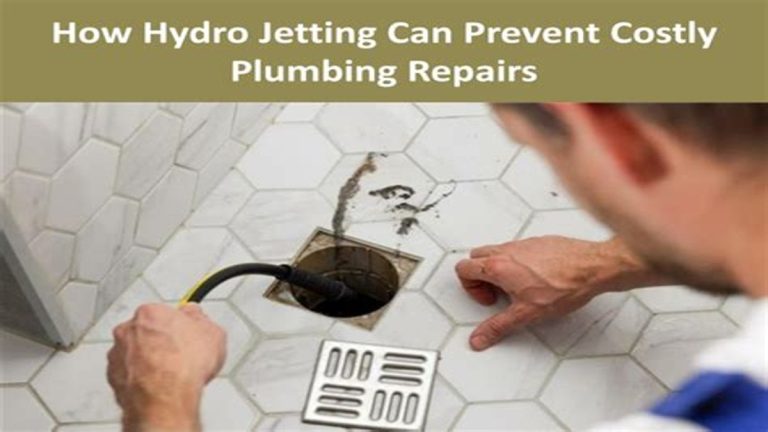
- Slow or backed-up drains: Professional snaking or hydro-jetting may be needed to clear deep blockages.
- Water quality issues: Cloudy, discolored, or foul-smelling water could signal pipe corrosion or contamination.
- Broken or burst pipes: Immediate repairs are necessary to minimize flooding and property damage.
Additional Tips for Plumbing Longevity
- Avoid chemical drain cleaners: These can damage pipes and are harmful to the environment. Natural alternatives or professional services are better options.
- Install water softeners if needed: Hard water causes mineral buildup that can clog pipes over time.
- Be mindful of tree roots: Roots can infiltrate sewer lines and cause blockages. If you notice recurring drain issues, consult a plumber about sewer line inspection.
- Keep plumbing records: Document any repairs or maintenance to help track the system’s history and assist professionals when called.
Conclusion
Maintaining your home’s plumbing system doesn’t have to be complicated or costly. By regularly inspecting your pipes and fixtures, preventing clogs, protecting pipes from freezing, and caring for your water heater, you can avoid most common plumbing problems. Remember, when issues arise that are beyond your comfort zone, it’s wise to contact a professional plumber to ensure repairs are done safely and effectively. Taking a proactive approach to plumbing maintenance will save you money, protect your home, and provide peace of mind for years to come.