Israel Says It Killed Iran Security Chief Larijani In Strike
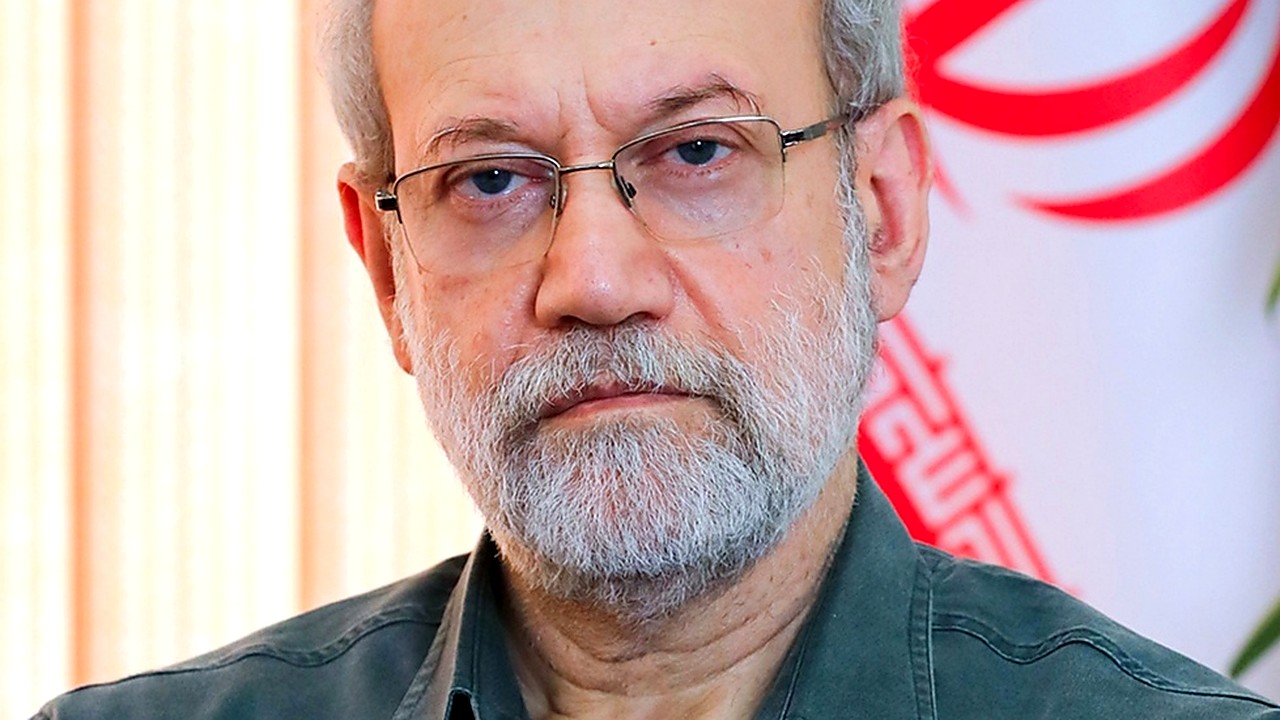
Israel said it killed Iran’s security chief Ali Larijani and the commander of Iran’s Basij paramilitary force in an airstrike, a claim that, if confirmed, would mark a major escalation in the widening conflict between the two longtime adversaries.
The announcement was reported by multiple news organizations, including the BBC, The Washington Post, Bloomberg, CNBC, DW, Al Jazeera, Radio Free Europe/Radio Liberty and Democracy Now!, all citing Israel’s statement that Larijani and the Basij commander were killed in a strike. The reports did not provide independent confirmation of the deaths.
Ali Larijani is described in the coverage as Iran’s top security official. The Basij is widely known as a powerful paramilitary force tied to Iran’s security apparatus, with a significant domestic role. Israel’s statement said both figures were killed in an airstrike, though specific details such as the exact location, timing, and circumstances of the operation were not included in the information provided.
The development matters because targeting senior security leadership can have immediate consequences for command structures, operational planning, and the political calculus on both sides. A claimed strike on a figure identified as Iran’s security chief would represent a direct hit on the country’s national security leadership, while the death of a Basij commander could carry broader implications given the group’s role within Iran.
Such claims also raise the stakes for any next steps by the governments involved. Statements about killing top officials can sharpen tensions, harden public positions, and narrow diplomatic options even when key facts remain contested or unverified. They can also influence how allies and regional actors assess the trajectory of the conflict and the likelihood of further attacks.
What happens next is likely to hinge on confirmation and response. Iran may issue its own statements addressing the reported deaths and any planned actions. Israel may provide additional details about the strike, including the target rationale and further operational information, or it may decline to elaborate.
The international picture could shift quickly depending on how the claims are addressed by officials and whether additional information emerges from the region. For now, the central fact is Israel’s assertion that two high-ranking figures in Iran’s security structure have been killed, a claim that underscores how directly and publicly the conflict is now being waged.
In a war defined by rapid developments and competing narratives, Israel’s announcement adds a new and consequential claim with potentially far-reaching implications.