National Mall Evacuated As Storms Slam Washington
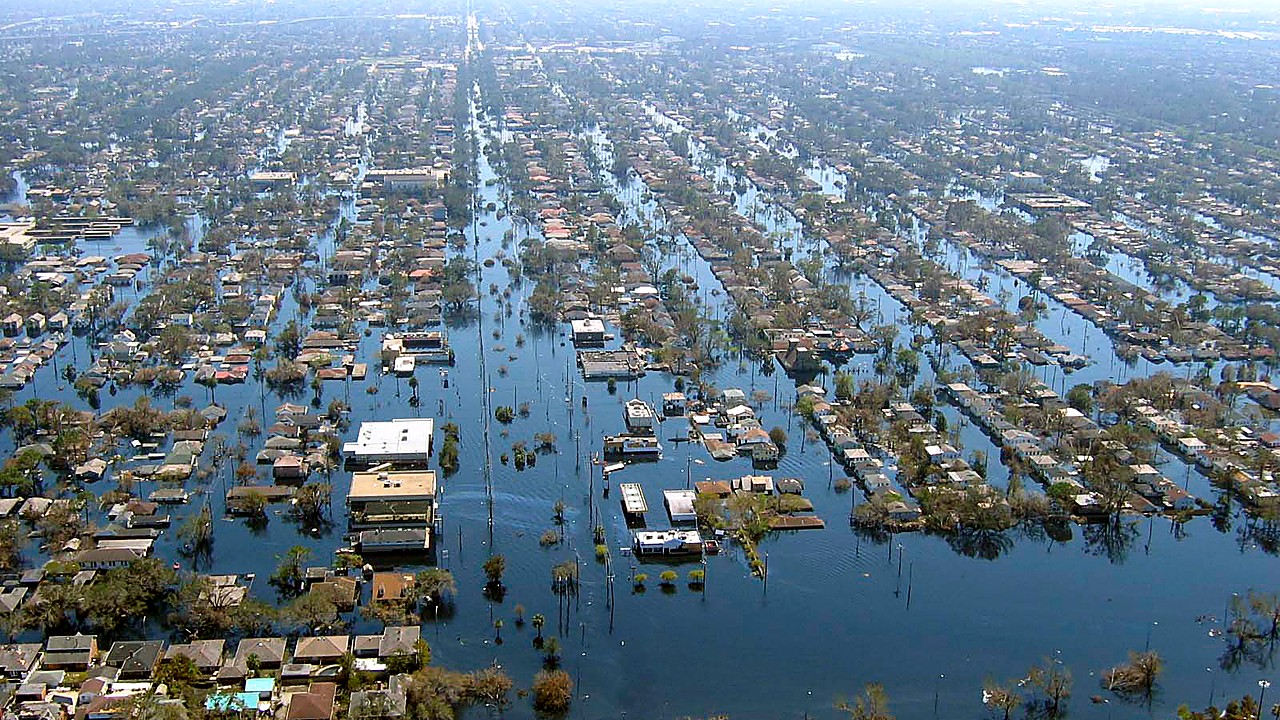
The National Mall was evacuated in Washington, D.C., as severe storms moved into the District, forcing delays to a planned speech by former President Donald Trump and postponing fireworks tied to an America 250 celebration.
The evacuation order came as thunderstorms intensified over the city, prompting officials and event organizers to clear large crowds from the Mall. Thousands of attendees who had gathered for Fourth of July programming and the America 250 event were instructed to leave the area as weather conditions deteriorated.
The disruptions affected a major public gathering at one of the nation’s most visible civic spaces, where security and emergency planners rely on clear routes and predictable crowd movement. Clearing the Mall during dangerous weather is a standard safety step intended to reduce the risk of injuries from lightning, high winds, and heavy rain, and to allow first responders to operate without dense crowds in exposed areas.
Trump’s planned address, described in coverage as part of the America 250 programming, was delayed along with the fireworks display that typically draws large numbers of visitors to the Mall. WJLA reported that the storms slowed the timing of the speech and delayed the fireworks that were expected to cap the celebration.
The weather also rippled through other Fourth of July-related plans in the region. Separate coverage referenced disruptions to scheduled festivities, including a report that a D.C. parade was canceled, underscoring how quickly severe weather can upend large-scale public events during the holiday.
The development matters because the National Mall is a central location for national commemorations and holiday gatherings, and disruptions there have immediate operational impacts. When crowds are asked to evacuate, it affects transportation, security posture, and the timing of live events that are planned around broadcast windows and coordinated public safety staffing. Delays can also extend the time visitors remain in the area, increasing congestion and complicating re-entry once conditions improve.
What happens next depends on weather and safety assessments. Organizers and public safety officials typically wait for storms to pass and conditions to stabilize before allowing crowds to return to open areas. In this case, coverage indicated that the speech and fireworks were delayed rather than canceled, suggesting plans were adjusted to proceed later as conditions allowed.
For attendees, the immediate next steps were straightforward: leave the Mall area during the evacuation and await guidance on whether and when programming would resume. For the city and event planners, the priority remained managing crowd movement, monitoring the storm threat, and restarting events only when it could be done safely.
The day’s disruptions served as a reminder that even the biggest holiday celebrations in the nation’s capital can be forced to pause when severe weather hits the District.