State Attorneys General Launch Inquiry Into OpenAI Practices
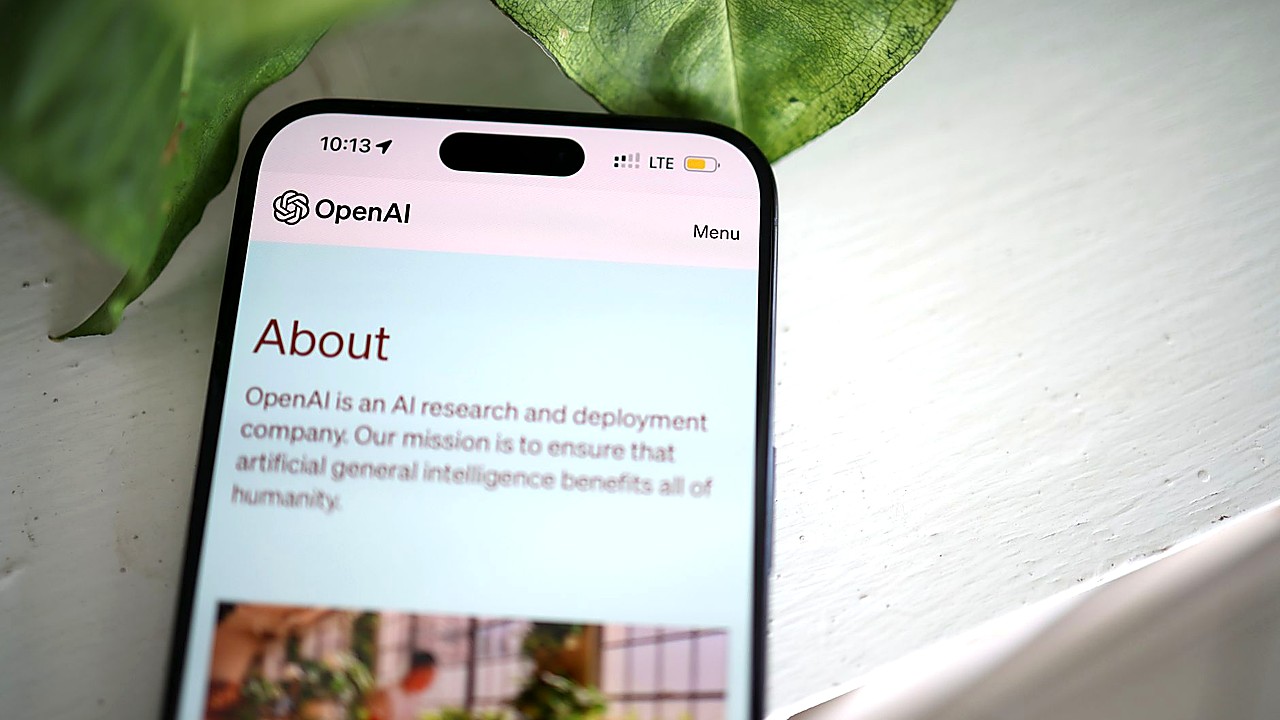
A coalition of state attorneys general has opened an investigation into OpenAI, the company behind ChatGPT, adding to growing scrutiny of how widely used artificial intelligence tools are developed and deployed.
The inquiry involves multiple state attorneys general working together, according to published reports by The New York Times, Reuters, The Wall Street Journal, and other outlets. The investigation focuses on OpenAI and its products, including ChatGPT. Specific participating states and the precise scope of the inquiry have not been publicly detailed in the coverage provided.
OpenAI has acknowledged the engagement. The company said it is working “constructively” with state attorneys general regarding their concerns, according to CNBC. Business Insider also reported that OpenAI said it is “committed to learning” as a coalition of states investigates ChatGPT’s impact on young users.
The development matters because state attorneys general can use their consumer-protection authority to investigate and, when warranted, bring enforcement actions that shape business practices across industries. A multi-state effort can increase pressure on companies by coordinating information requests and aligning legal strategies, particularly when a product is used nationally and issues cross state lines.
The investigation also underscores the expanding role of state-level regulators in the AI boom. Tools like ChatGPT are being adopted rapidly by consumers, schools, and workplaces, raising questions for policymakers about safety, reliability, and how companies address potential harms. When multiple state attorneys general move in tandem, it often signals that concerns are not confined to a single jurisdiction.
OpenAI’s response suggests the company is seeking to manage the inquiry through cooperation rather than public confrontation. Even so, investigations can lead to formal demands for documents, interviews, and detailed explanations of internal policies. They can also result in negotiated agreements that require changes to products or business practices, or in litigation if officials conclude laws have been violated.
For OpenAI, the probe arrives as the company navigates intense attention from governments and the public over how AI systems interact with users, including younger audiences. It also adds another layer of oversight at a time when lawmakers and regulators are evaluating how existing laws apply to rapidly evolving AI technology.
What happens next will depend on how the coalition proceeds and what information state officials seek. Attorneys general could issue additional public statements, expand the number of participating states, or outline the specific concerns under review. OpenAI, for its part, is expected to continue discussions with the states and respond to any requests tied to the inquiry.
For now, the investigation places one of the most prominent AI developers in the country under coordinated state scrutiny, with potential implications for how consumer-facing AI products are governed going forward.