Afroman Wins Suit Against Ohio Police Over Raid Footage Use
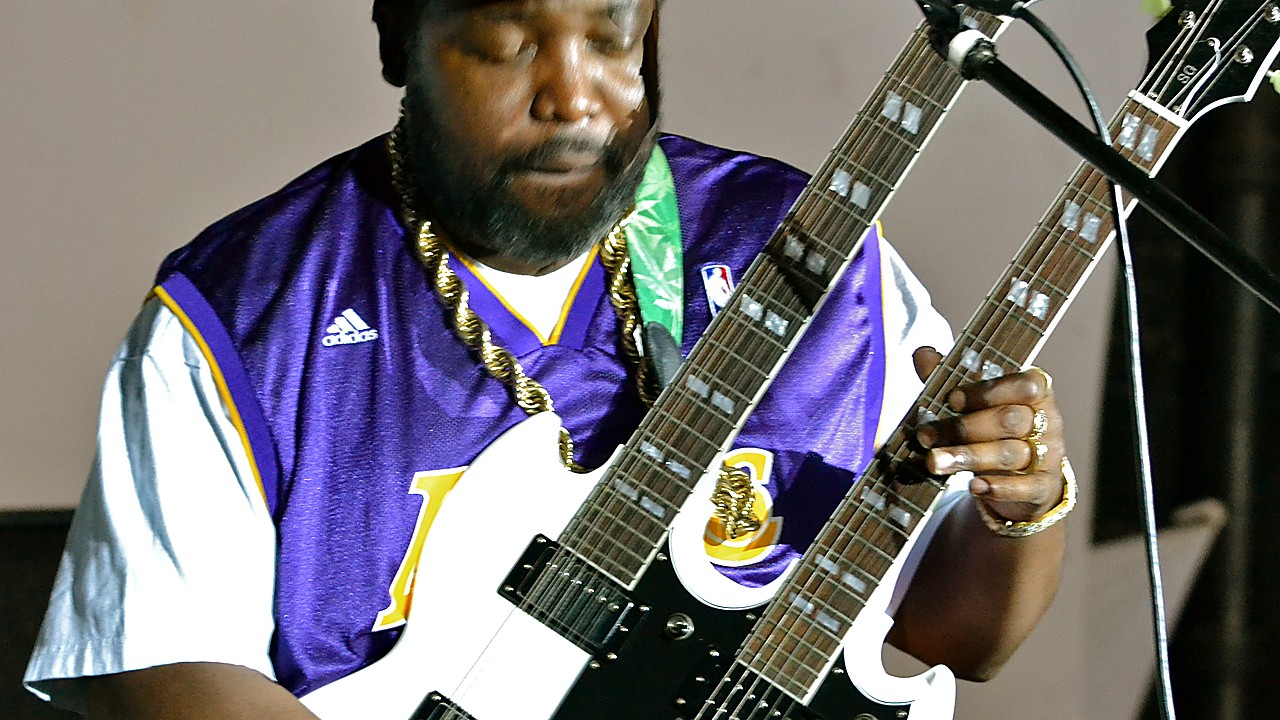
Rapper Afroman has won a lawsuit against Ohio police after officers accused him of defaming them by mocking their raid of his home. Speaking after the decision, Afroman said the outcome was bigger than his own case, calling it “for Americans.”
The case stems from a raid on Afroman’s home in Ohio by local law enforcement. After the search, Afroman publicly criticized the officers and released material that made fun of the raid, setting off a legal fight over whether his commentary crossed the line into defamation. The officers involved filed suit, arguing that Afroman’s portrayal damaged their reputations.
Afroman, whose public persona blends comedy and music, maintained that he was responding to what happened to him and had a right to speak out. The dispute drew attention because it placed a well-known entertainer on one side and law enforcement on the other, with the central question turning on criticism of official conduct and how much protection it receives.
The lawsuit’s outcome is significant because it reinforces the legal boundaries around defamation claims brought by public officials or government employees related to their official actions. When police activity becomes part of public debate, courts often have to weigh reputational harms against First Amendment protections for commentary, satire, and artistic expression.
In this case, the result also matters beyond the legal arguments because it reflects how disputes over policing can spill into the culture at large. Afroman’s response to the raid was not limited to statements in interviews or social media; it became part of his creative output. That blending of speech and entertainment can make these cases particularly contentious, with plaintiffs arguing the material spreads false impressions and defendants arguing it is opinion, parody, or protected expression.
What happens next will depend on whether the law enforcement side seeks further review or takes additional legal steps. Afroman, meanwhile, has indicated he views the victory as a statement about ordinary people being able to challenge government power and tell their own story when they believe they have been wronged.
The case closes with a clear message from Afroman: his win, he says, is not just about one artist and one raid, but about the right of Americans to speak back.