State Supreme Court Overturns Alex Murdaugh Murder Conviction
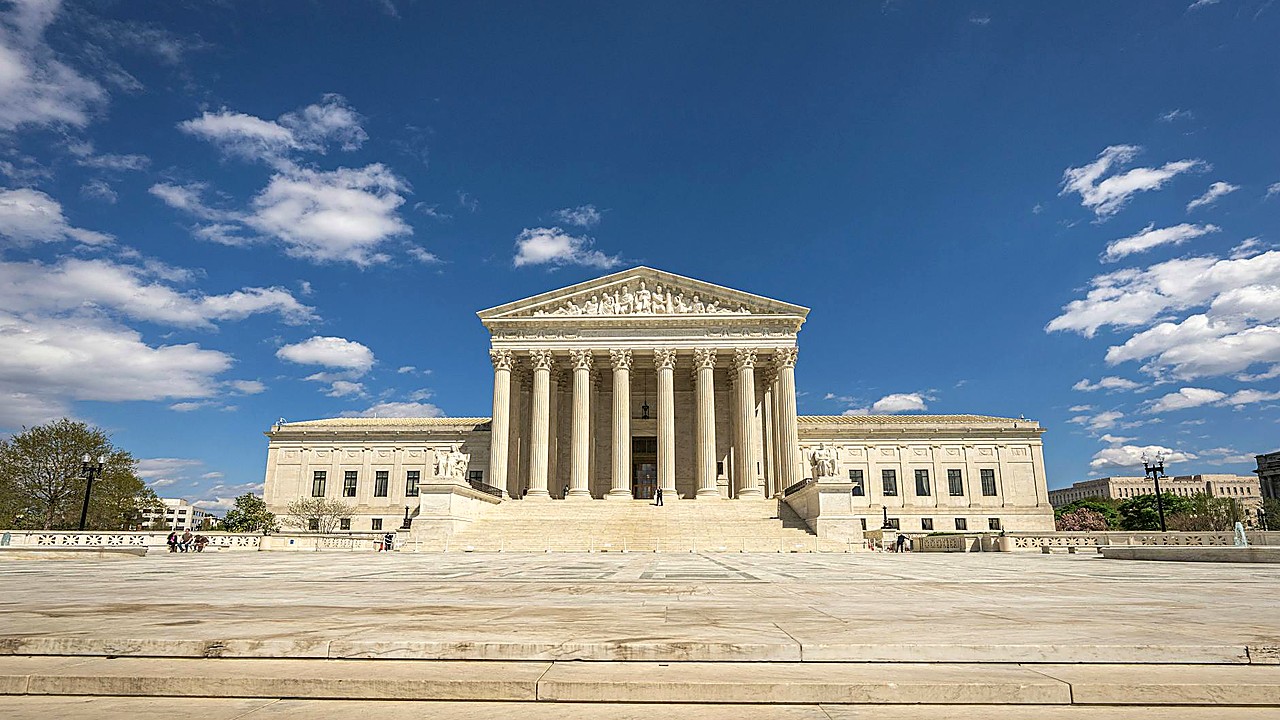
Alex Murdaugh’s double-murder convictions have been overturned by the South Carolina Supreme Court, which ordered a new trial in the high-profile case involving the killings of his wife, Maggie Murdaugh, and son, Paul Murdaugh.
The ruling from the state’s highest court throws out the guilty verdicts that had made Murdaugh, a former attorney from a prominent Lowcountry legal family, one of the most closely watched criminal defendants in the country. Murdaugh was convicted in South Carolina state court of murdering Maggie and Paul at the family’s property.
The South Carolina Supreme Court’s decision means the murder case will return to the trial court for a new proceeding. The justices’ order resets the legal posture of the homicide charges, placing prosecutors back in the position of deciding how to move forward and requiring any future conviction to be won again before a jury.
The development is significant because it reopens a case that had appeared legally settled after a dramatic, widely followed trial and verdict. The double-murder convictions were central to Murdaugh’s legal downfall and the broader public attention on allegations and investigations surrounding him. With the convictions now overturned, the state must again prove the murder charges beyond a reasonable doubt in a new trial.
It also has immediate practical consequences for both sides. Prosecutors will have to prepare to present their case a second time, including witnesses and evidence, under the scrutiny that comes with a case already tried once. The defense, meanwhile, gains the opportunity to challenge the state’s case again before a new jury.
Next steps will move back to the lower court, where the case will be scheduled for further proceedings. Prosecutors are expected to determine whether to retry Murdaugh on the murder charges and, if so, when the new trial will be held. Pretrial motions and hearings are likely as both sides address issues raised by the Supreme Court ruling and lay out their positions going into a second trial.
The South Carolina Supreme Court’s decision does not end the case; it restarts it, setting up another major courtroom test in one of the state’s most consequential criminal prosecutions in recent memory.