Senate Confirms Kevin Warsh As Next Federal Reserve Chair
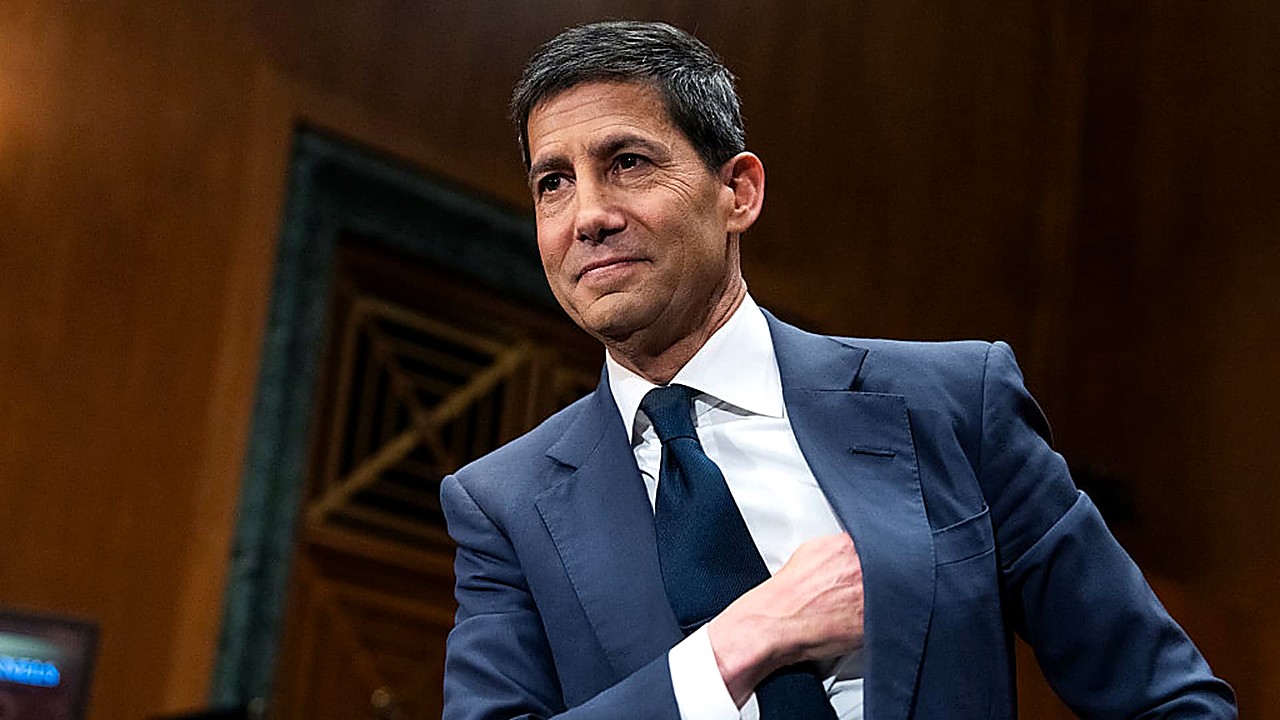
The Senate on Tuesday confirmed Kevin Warsh to serve as the next chair of the Federal Reserve, positioning him to succeed Jerome Powell at the nation’s central bank as inflation remains a central economic and political concern.
Warsh, a former Federal Reserve official, won Senate approval following a nomination by President Donald Trump, according to multiple reports, including NPR, CNBC, PBS and Reuters. The confirmation makes Warsh the designated leader of the Fed, which sets U.S. monetary policy, including interest rates, and plays a central role in efforts to keep inflation in check while supporting employment.
The vote elevates Warsh at a moment when inflation is again in sharp focus. Reuters described the backdrop as “inflation on the march,” and other reports characterized the confirmation as coming amid intensifying inflation pressure. The timing underscores the significance of the Fed’s next set of policy decisions and the scrutiny that will come with them.
The Federal Reserve chair is one of the most consequential economic roles in Washington. The chair leads the Federal Open Market Committee, guides communications that shape financial market expectations, and serves as the public face of policy decisions that influence borrowing costs for households and businesses. Mortgage rates, auto loans, credit card interest, corporate financing and the value of the dollar can all be affected by the path of Fed policy.
Warsh’s confirmation is also notable because it signals an approaching leadership transition from Powell, whose tenure has spanned periods of high inflation and aggressive interest-rate hikes. A change at the top can affect how the Fed communicates its priorities, how it frames risks to inflation and growth, and how it balances its dual mandate of price stability and maximum employment.
The confirmation comes after a series of related developments reported across outlets. Reuters and other organizations highlighted Warsh’s successful confirmation vote for the chair position, while other recent coverage has tracked steps in his path through Senate consideration connected to the Federal Reserve’s governance structure. Together, those developments culminated in Tuesday’s vote approving him to take over the central bank’s top job.
For consumers and businesses, the leadership change matters because the Fed’s decisions determine, in large part, how quickly inflation cools or persists and what that means for the broader economy. For investors, the chair’s guidance often sets the tone for market reactions to policy meetings, economic data and shifts in risk assessments.
What happens next is the transition into the chair role as Powell departs. The Fed will continue to hold its scheduled policy meetings, release statements and economic projections, and provide regular public updates through the chair’s press conferences and other communications. Warsh will assume responsibility for leading those efforts and for building consensus among policymakers as the Fed responds to incoming inflation and labor-market data.
The Senate’s vote hands Warsh the gavel at the Federal Reserve at a pivotal time, with the direction of inflation and interest rates set to remain at the center of the nation’s economic debate.