OpenAI To Comply With Trump Order On Prelaunch AI Reviews
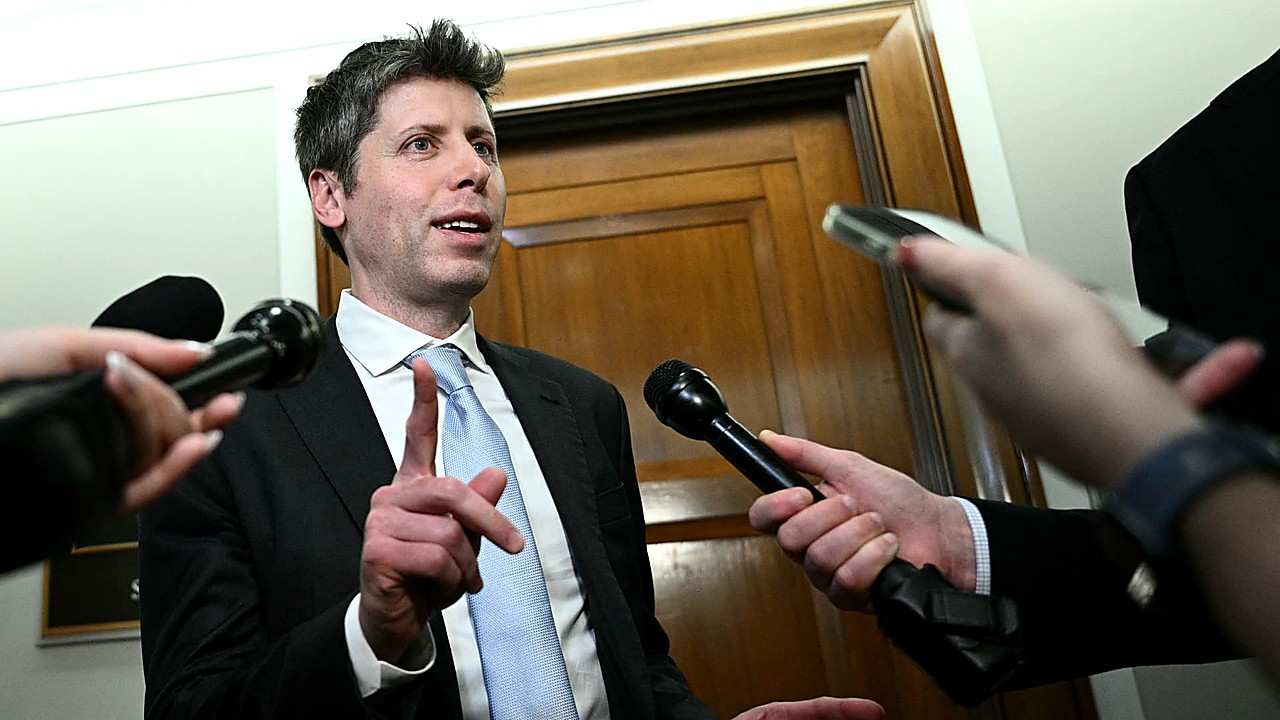
OpenAI said it will comply with President Donald Trump’s executive order requiring reviews of advanced artificial intelligence models before they are released, aligning the company with a new federal push to increase government oversight of powerful AI systems.
The announcement follows Trump’s signing of an executive order aimed at giving the federal government an early look at top-tier AI models for potential national security risks. The order establishes a framework for AI developers to submit models for review ahead of public release, according to multiple published reports on the directive.
OpenAI’s position is notable because it comes amid public disagreements over how AI safety rules should be written and enforced. In recent coverage, OpenAI has been described as diverging from the White House on certain AI safety approaches, underscoring the tension between rapid deployment of new AI products and growing calls for stronger safeguards.
The executive order is focused on oversight of advanced systems, with an emphasis on national security. The stated goal is to create a mechanism for evaluating risks tied to the most capable models before they reach broad availability, rather than only responding after problems arise.
OpenAI is among the most prominent AI companies in the United States and is a central player in the development and release of large language models used by consumers and businesses. Its decision to comply signals that at least some leading developers are preparing to work within the administration’s new process rather than challenge it publicly.
The development matters because it could shape how quickly and under what conditions frontier AI models reach the market. Reviews before release can affect product timelines, the information companies must share with the government, and the standards used to evaluate potential harms. It also adds pressure on competing firms to clarify whether they will follow the same pathway or take a different approach.
At the federal level, the order sets expectations for how companies interact with the government on AI risk. It also raises broader questions about the balance between voluntary participation and de facto requirements for companies that want to avoid scrutiny or backlash after launch.
What happens next will depend on how the review mechanism is implemented and how consistently it is applied across companies and model types. Agencies will need to define what qualifies as a top model for purposes of review, what the vetting process entails, and what information developers must provide. Companies, in turn, will decide whether to submit models, how early to do so, and how to incorporate feedback into release plans.
For OpenAI, compliance means preparing for pre-release evaluation under the executive order’s framework as it continues to develop and ship new systems. The administration’s approach now moves from a signed directive to the practical question of how oversight will work in real time as the next generation of AI models is readied for deployment.