Ukraine Debuts Extended-Range Drones To Strike Deep Targets
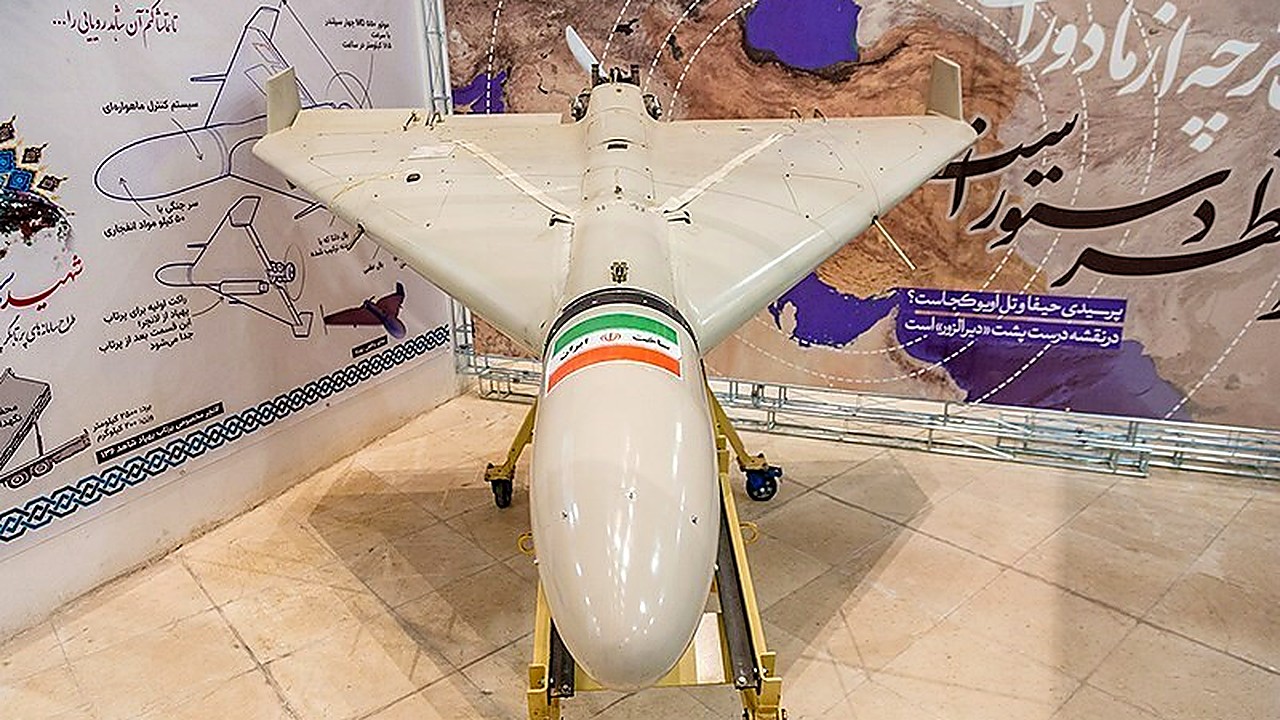
Ukraine has moved ahead with upgraded drone capabilities as part of its continuing aerial campaign, with recent testing and operational reporting highlighting both progress and persistent reliability problems on the front lines.
Recent coverage has described a shift in how Ukraine is using drones in its fight against Russia, including tactics and systems that are inflicting damage on Russian forces, according to reporting by The New York Times. At the same time, other reporting has focused on the growing danger to Ukrainian civilians from Russia’s own upgraded jet-powered drones, underscoring how quickly the technology and threats are evolving on both sides.
The latest reports also point to mixed results for Ukraine’s upgraded drone capabilities during testing and field use. Mogazmasr.com reported that upgraded systems were tested even as frontline drones “keep failing checks,” describing a gap between improvements under evaluation and the performance of drones deployed closer to combat conditions. El-Balad.com separately reported on spring tests involving “11 daily flights” tied to upgraded Ukrainian drone capabilities, an indication of continued trial activity and efforts to validate performance through repeated sorties.
While details on specific models, locations, and responsible units were not provided in the related headlines, the theme across the reports is consistent: drones remain central to Ukraine’s military approach, and incremental upgrades can quickly translate into meaningful battlefield effects or new vulnerabilities for civilians. The conflict has increasingly featured drones not only as reconnaissance tools but as weapons and countermeasures, with both Ukraine and Russia adapting their systems and tactics.
This development matters because drone performance now affects multiple layers of the war at once: frontline survivability, the ability to strike or disrupt targets, and the protection of towns and cities from aerial attacks. Improvements in range, speed, payload, navigation, or resistance to electronic interference can change what each side can hit and how often it can do so. At the same time, reports of drones failing checks underscore the logistical and engineering realities of maintaining large fleets under combat stress, where parts, software updates, training, and quality control can determine whether a platform succeeds or fails.
The civilian dimension is also growing more urgent. The Atlantic Council has warned that Russian upgraded jet drones pose a new threat to Ukrainian civilians, a reminder that improvements in drone technology are not confined to the battlefield. Faster or more capable systems can complicate air defenses and increase the risk to population centers, even as Ukraine seeks to refine its own capabilities.
What happens next is likely to involve continued testing and iteration, alongside ongoing operational use. The reported cadence of daily flights during spring tests suggests a push to gather data quickly, while accounts of frontline check failures point to pressure to improve reliability and field readiness. As drone warfare accelerates, both sides are expected to keep adapting in response to successes and setbacks.
The result is a fast-moving contest of upgrades and countermeasures in which drone capability, reliability, and deployment pace are becoming as consequential as traditional military hardware.