Iran Launches Six-Day Funeral For Ayatollah Ali Khamenei
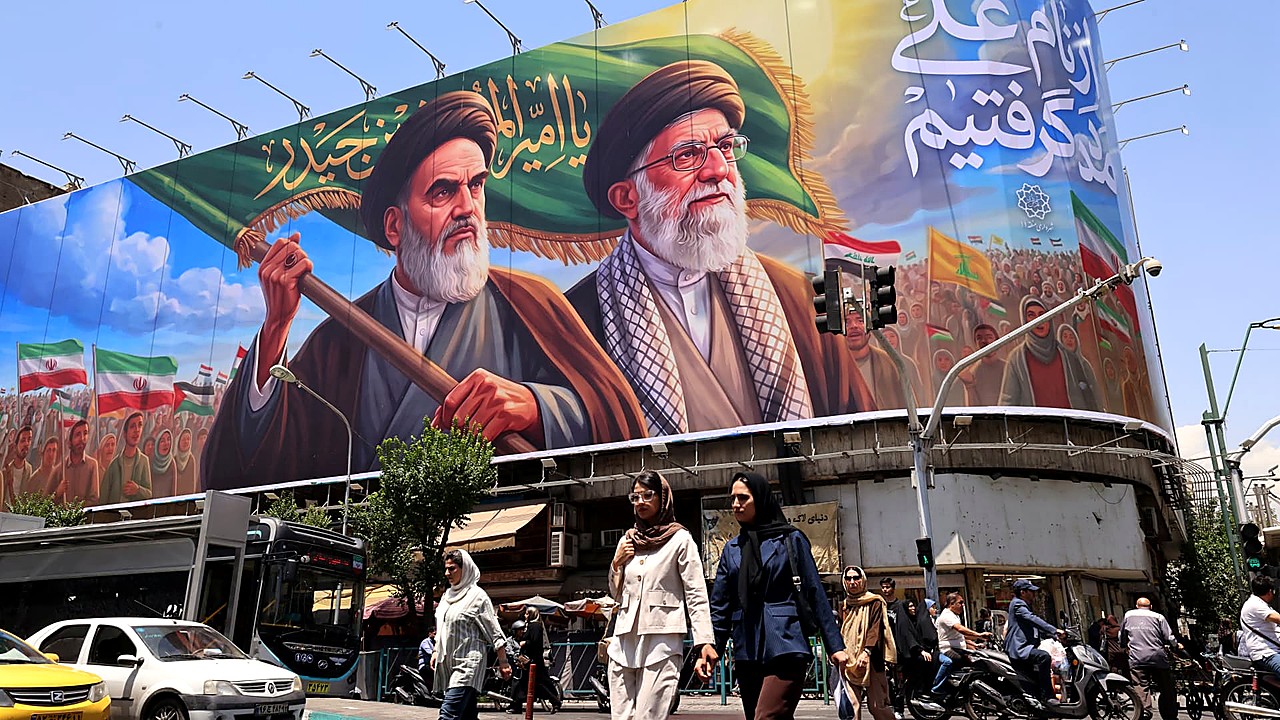
Iran on Friday began a six-day funeral for Ayatollah Ali Khamenei, the country’s late supreme leader, nearly four months after his death, launching a series of ceremonies expected to draw large crowds and dominate public life across the country.
The funeral period is set to include mass processions and official mourning events in multiple cities in Iran and Iraq, according to reports on the schedule released with the start of the ceremonies. The opening events began in Tehran, where thousands were reported in attendance as the days-long program got underway.
Khamenei led the Islamic Republic for decades and held final authority over the state’s political and security institutions. His death created a major turning point for Iran’s leadership and its regional posture, prompting intense attention to the public rituals surrounding his burial and to the political signals carried by the ceremonies.
The length and scale of the funeral underscore the central role Khamenei played in Iran’s system and the government’s intent to stage a coordinated national commemoration. Officials have presented the events as a show of unity and continuity, with planned appearances by key leaders and prominent state institutions.
The funeral is also unfolding under heightened security and diplomatic sensitivity. A separate report described the ceremonies as contingent on a fragile ceasefire with the United States, a backdrop that adds significance to any large, multi-city mobilization inside Iran and beyond its borders.
The days ahead are expected to include additional processions and state-organized memorials in major population centers. The schedule extends beyond Iran into Iraq, reflecting Khamenei’s influence across the region and the close ties between Iranian leaders and allied groups and institutions there.
The public ceremonies are likely to be closely watched for who is prominently featured, which officials take leading roles, and how the state frames the message of stability after the loss of its highest authority. The political importance of such events in Iran typically goes beyond remembrance, serving as a public display of institutional discipline and control.
Authorities have not indicated any change to the planned duration, and the ceremonies are expected to continue through the six-day period. Observers will be monitoring attendance, security posture, and any further official statements released as the program moves from its opening events in Tehran to other cities.
By the end of the six days, Iran is set to conclude one of the most consequential state funerals in its modern history, a final public chapter following the death of the leader who shaped the country’s course for a generation.