Meta AI Enables Deepfakes From Public Instagram Photos
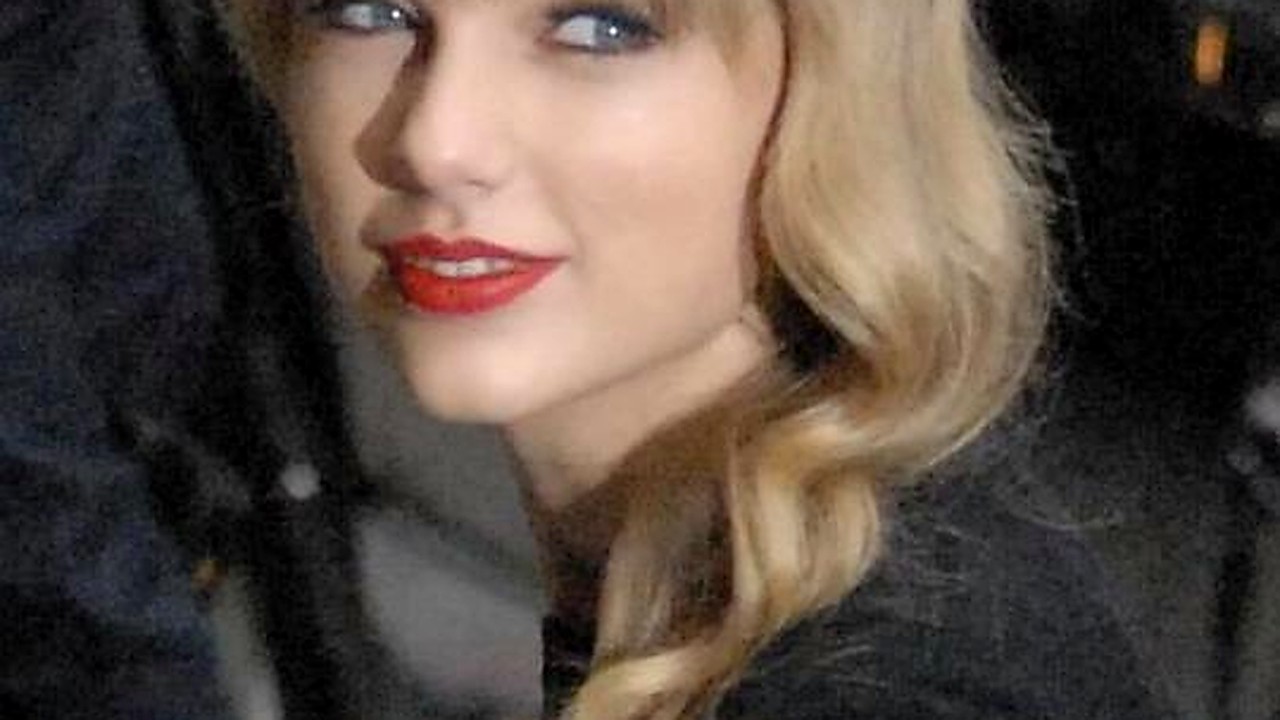
Meta’s latest AI image feature is drawing criticism after reports said it can be used to create manipulated images, including deepfakes, from public photos posted on Instagram without the subject’s explicit consent.
The concern centers on a new Meta AI tool that allows users to alter images drawn from public Instagram accounts. The feature has been described in recent coverage as enabling people to generate or edit images using publicly available photos, raising alarms from privacy advocates and online safety observers about how easily a real person’s likeness can be repurposed.
Meta owns Instagram and has been expanding its consumer-facing AI products across its apps. Recent headlines about the tool have focused on the practical impact: if an Instagram account is public, photos posted there can be used by others as input for AI-generated edits. That can include creating realistic-looking, synthetic imagery that appears to show a person doing or saying something they never did.
The ability to generate deepfakes from public photos is not new in the broader tech ecosystem, but the integration into a widely used social platform escalates the risk and reach. Instagram is home to public accounts for everyday users, creators, and public figures, and photos are often posted with an expectation of being viewed, not transformed into altered or misleading content.
This development matters because it intensifies long-running debates over consent, privacy, and control of personal images online. Public-facing social media has always carried the risk of copying and reposting. AI manipulation adds a different dimension, making it easier to create convincing edits at scale and potentially complicating efforts to identify and respond to harmful content.
It also raises questions about safeguards and user protections. When tools that can generate realistic synthetic images are built into mainstream services, the burden often shifts to individuals to protect themselves—by changing settings, limiting who can see their posts, or removing photos entirely—rather than relying on default protections.
The reports have prompted backlash and renewed scrutiny of how platforms handle image use, particularly when the images depict private individuals who never agreed to have their likeness used for AI-generated creations. Concerns extend beyond reputational harm to potential harassment, impersonation, and nonconsensual sexualized imagery created from innocent photos.
What happens next will likely focus on how Meta addresses criticism and what options users have to limit how their public content can be used. Coverage has highlighted user interest in steps to prevent their Instagram images from being used in AI contexts, signaling that many people want clearer controls and more explicit consent mechanisms.
Regulators, consumer advocates, and digital rights groups are also expected to keep pressure on major platforms over transparency and accountability for AI tools that can manipulate real people’s images. For users, the immediate takeaway is that “public” on a social platform can mean more than visibility—it can mean vulnerability to transformation.
As AI image tools become more accessible inside everyday apps, the fight over consent and control of personal photos is moving from the margins to the center of mainstream social media.