Christina Applegate Says She Had Abortion At 19 In Abuse
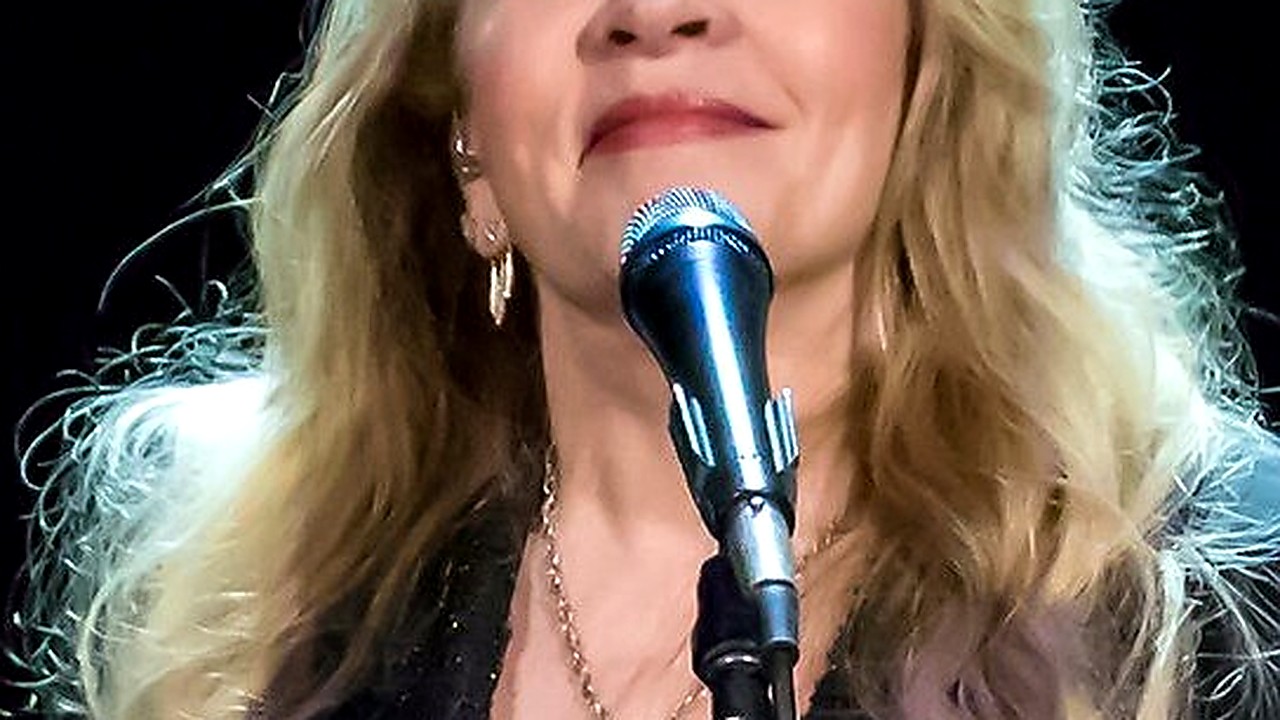
Christina Applegate has revealed that she had an abortion when she was 19 while in an abusive relationship, writing that the experience left her feeling like she “lost” herself. The disclosure appears in her memoir, in which the actor describes the situation and its lasting emotional impact.
Applegate, known for roles in “Married… with Children” and “Dead to Me,” shared the account as part of a broader set of personal reflections included in the book. In the excerpted passages reported by multiple outlets, she describes being in an abusive relationship at the time and undergoing the abortion at 19.
The revelation adds to a series of recent public comments from Applegate that have focused on deeply personal chapters of her life, including health challenges. Recent coverage has also noted Applegate’s ongoing multiple sclerosis battle and the physical toll it has taken, with reports describing periods when she has been confined to bed because of pain.
In her memoir, Applegate’s description of the abortion is tied to the dynamics of the relationship she was in at the time and the way she says it affected her sense of self. The quote attributed to her — “I feel I have lost myself” — underscores the emotional weight she attaches to that period.
The disclosure matters because Applegate is one of the most recognizable actors of her generation, and her decision to write candidly about abuse and reproductive health adds to the public record of how such experiences can intersect and reverberate years later. Her account also reflects how high-profile memoirs continue to function as a venue for public figures to speak directly, in their own words, about personal trauma and difficult decisions.
It also arrives amid heightened attention on reproductive health and personal autonomy in the United States, where celebrities’ accounts often draw immediate public focus. Applegate’s story, presented as part of her life narrative rather than a political statement, is framed as a personal disclosure about what she went through and how she carries it.
What happens next centers on the memoir’s rollout and Applegate’s continued public appearances tied to her work and personal advocacy. Media coverage of the book is expected to continue as more excerpts and interviews emerge, potentially expanding on themes Applegate has already addressed publicly, including relationships, self-image, and living with chronic illness.
For now, Applegate’s memoir adds a new, starkly personal chapter to her public story: a specific account of an abortion at 19 amid an abusive relationship, and a candid acknowledgment of the long shadow she says it cast over her life.