Iran Accuses U.S. Of Violating Peace Deal After Hormuz Strikes
Iran accused the United States of violating a peace agreement after U.S. strikes targeted sites around the Strait of Hormuz, escalating tensions in one of the world’s most critical shipping corridors.
The U.S. military announced it launched fresh strikes against Iran, saying the action was a response to Iranian attacks on three commercial vessels transiting the Strait of Hormuz. Separate reports said the United States struck more than 80 Iranian targets following tanker attacks in the waterway.
Iran, in turn, said the United States had “repeatedly violated” the peace deal and warned it would take “decisive measures.” Iran framed the strikes as a breach of a 60-day ceasefire that had been in place.
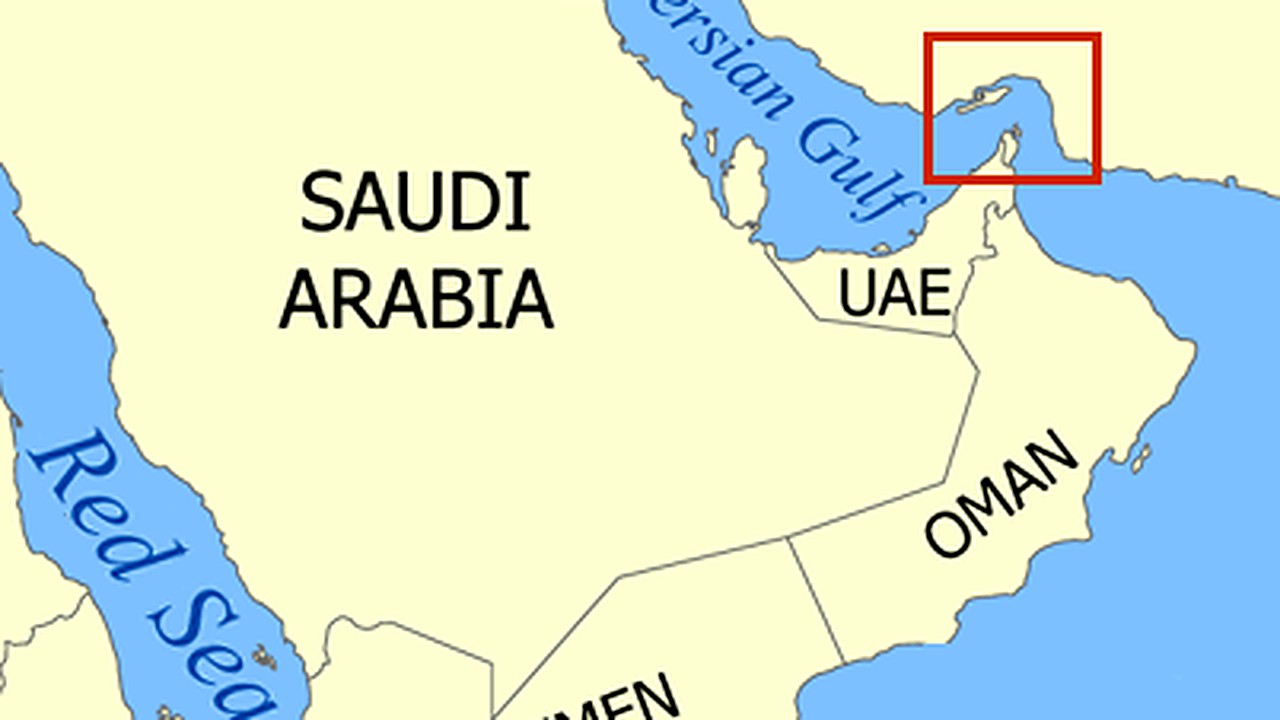
The strikes and the competing claims over ceasefire violations underscore how quickly incidents at sea can widen into broader confrontation. The Strait of Hormuz is a narrow maritime chokepoint bordered by Iran and Oman that carries a significant share of global energy shipments, making any military action in or near the area closely watched by governments and markets.
The latest exchange also raises immediate questions about the durability of the ceasefire and the safety of commercial shipping in the region. When the United States and Iran trade allegations of violations, it can complicate diplomatic efforts and increase the risk of miscalculation, especially when attacks involve civilian-linked infrastructure such as merchant vessels.
The incidents have already drawn in regional attention. Reports also indicated Bahrain and Kuwait were targeted, though the provided information does not specify who carried out those attacks or what was hit. Those mentions add to concerns that the situation could extend beyond U.S.-Iran exchanges and affect neighboring states and military facilities in the Gulf.
For the United States, the strikes were presented as a direct response to attacks on commercial vessels, placing maritime security at the center of its justification. For Iran, the central claim is that Washington broke an existing peace arrangement, an accusation that can harden positions and increase pressure for retaliation.
What happens next will hinge on whether further military action follows and whether the ceasefire framework holds. The U.S. military has signaled it is prepared to act in response to vessel attacks, while Iran has indicated it is weighing a response of its own.
With both sides asserting the other violated the agreement, the coming days will test whether the ceasefire can be sustained amid continued friction around the Strait of Hormuz, where even limited strikes can have outsized consequences.